I. Introduction to the Pekingese
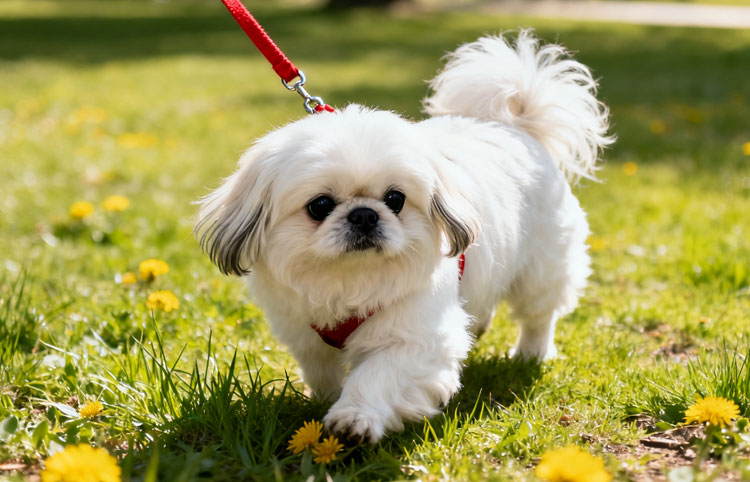
The Pekingese is a dog that was also called the Imperial Lion Dog because it looked like a lion. This old dog breed comes from China, and its 4,000-year history makes it a carrier of a deep cultural heritage. These dogs are naturally elegant, very intelligent, and also very quick. They are courageous characters and can endure tough situations, but their behavior is very gentle, cheerful, and thus, they have become extremely popular with the people. At present, Pekingese dogs, being favorite companion and show dogs, can be seen wherever they want walking along with their masters in the streets and alleys.
After the Qin dynasty, you can find Pekingese first. Over the following dynasties, they were the only pets in the imperial palaces kept by the emperors. During the long feudal era, they were considered by the rulers as the most precious things and were provided with far beyond typical dogs. Very few people like members of the royal family and high-ranking court officials could get the chance to look at these dogs closely. Surprisingly, throughout history, besides Pekingese fans in the palaces, the fur of these dogs was also collected by the imperial courts to make flywhisks—Tibetan yak hair was replaced by silk—and used for clearing insects from Buddhist statues. This peculiar usage was another way of showing their royal heritage. Since they have been living for ages in the palace, Pekingese with not only their pure lineage, but they also have grown an elegant and aristocratic mysterious look driven by their luxurious life and careful attention.

II. Characteristics of the Pekingese
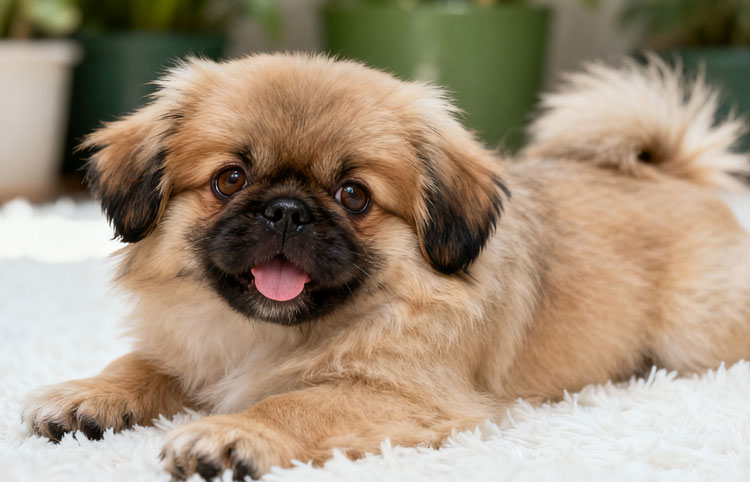
Observing the Pekingese’s head reveals a broad outline, with a flat, expansive area between the ears and a clearly defined forehead line; The muzzle exhibits natural wrinkles, being both short and broad, with the lower jaw slightly protruding forward to form a distinctive facial profile. Its eyes are particularly striking—large, deep-set, and round, slightly protruding outward as if holding a luminous spark of intelligence. The ears are charmingly heart-shaped, set high and naturally draping along the cheeks. Their tips are covered in thick, decorative fur that gently sways in the breeze. The nose is broad, short, and flat, its pure black color forming a striking contrast with the surrounding coat.
The body is compact yet powerful, with a broad, full chest and a straight, smooth back devoid of excess folds. Though short, each limb possesses distinct characteristics: the front legs curve outward slightly, lending a touch of endearing clumsiness; the hind legs are light yet sturdy, supporting the body with remarkable strength. The tail is set high, resting naturally along the back or flank, covered in long, straight guard hairs.
Its coat is another standout feature—long and straight, flowing naturally down both sides of the body without curls or waves; with denser, longer feathering on the legs, tail, and toes. A lion-like mane grows around the neck and beneath the shoulders, enhancing its regal appearance. Coat colors are unrestricted, each shade possessing its own charm, though a ring of black fur always encircles the eyes, resembling a meticulously painted mask that adds a touch of liveliness. In terms of physical measurements, shoulder height typically ranges from 20 to 23 centimeters. Male dogs weigh between 3.6 and 5.4 kilograms, while females are slightly lighter at 3.2 to 5 kilograms, classifying them as a compact and dainty breed.
III. Pekingese Lifespan
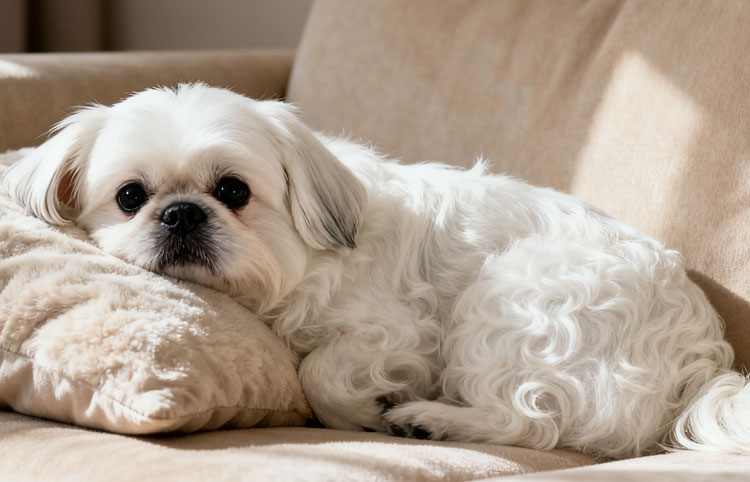
Pekingese typically live between 10 and 15 years. With proper care maintaining optimal health, some fortunate individuals may reach 18 years or even accompany their owners for longer.
IV. Pekingese Pricing
Standard-quality Pekingese are relatively affordable, ranging from a few hundred to several thousand dollars—a price point accessible to most households. Higher-purity specimens command prices of $700–800, catering to owners with stringent pedigree requirements.
V. Pekingese Selection Guide
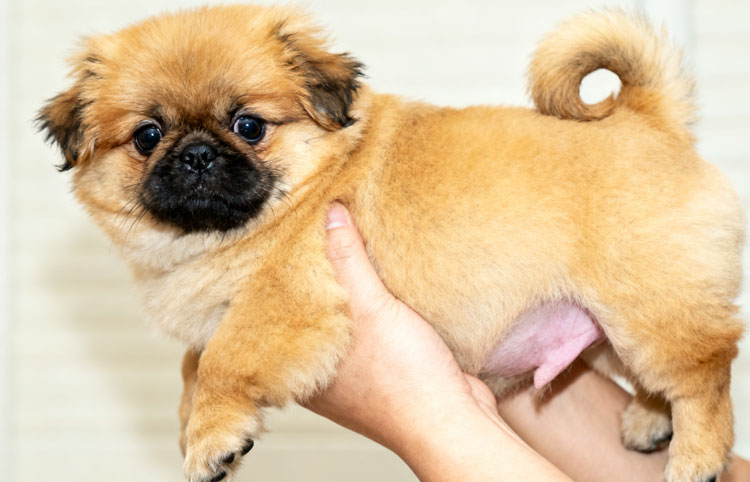
1. When selecting a Pekingese, first assess its physique. Choose a sturdy, muscular dog without signs of obesity, as excessive weight increases long-term care demands. Observe its movement—it should be agile and lively, displaying energy when running or jumping. If it moves slowly or appears lethargic, proceed with caution.
2. Opt for a large, broad head with a flat, wide muzzle. A rounded head is not considered a desirable trait. The nose bridge should be short and wide, with a slight upward curve, aligning with the breed’s characteristic profile. The mouth should be straight and wide. Avoid dogs with a crooked mouth, exposed teeth, or a habit of sticking out their tongue, as these are clear signs of inferior quality.
3. Pay attention to the fur around the eyes. Ideally, it should feature black overcoat hair that naturally extends to the ears, lending an alert appearance. The shoulders and chest should be broad. The front legs should be short and slightly turned inward, while the hind legs should be slender, straight, and powerful. This limb structure supports agile movement. The coat should be dense, long, and silky to the touch, lying flat with a healthy sheen. Short, matted fur or noticeable hair loss may indicate poor health.
4. Eyes are the windows to the soul. They should be large and round, prominent and expressive, moving freely and smoothly. The pupils should have a bright, clear sheen, with the iris covering more than half the eye. No tear stains or dirt should be visible around the eyes. The outer ear canal must be clean and free of debris, with the inner ear showing a healthy pink hue. Any unusual odor or discharge may indicate potential health issues. The fur around the anus is equally important. It should be clean and tidy, free of any sticky residue. If feces are stuck to the fur or the anus appears red, swollen, or ulcerated, the dog is likely sick and should be immediately ruled out.
5. When holding the dog, clearly assess its vitality. It should exhibit alertness with firm, elastic muscles rather than a limp, listless state. Observe its appetite—it should eat eagerly without pickiness. A crisp, resonant bark indicates a generally healthier individual.

VI. Advantages of the Pekingese
1. Intelligent and Lively: Naturally quick-witted with a playful, childlike temperament, they learn new skills efficiently and remain focused during training with minimal distractions. They swiftly grasp and execute new commands taught by their owners, making them a favored family pet. Their constant energy and joyful demeanor during play are particularly endearing.
2. Strong Environmental Adaptability: Whether living in bustling cities or tranquil countryside, in compact apartments or villas with gardens, they adapt swiftly to new surroundings. They handle environmental stress with composure, exhibiting stable behavior and rarely displaying issues like excessive barking or destructive tendencies.
3. Gentle Temperament: They rarely bark in daily life, and when they do vocalize, it’s usually a soft reminder that won’t disturb anyone. Though reserved, they are not timid. They form close bonds with family members and greet visitors with friendliness, never attacking without provocation. Only when their owner faces potential threats do they courageously adopt a defensive stance. Their overall behavior is highly controllable, so family members need not worry about being harmed. Both the elderly and children can safely interact with them.
VII. Pekingese Drawbacks
1. Stubborn Temperament: Though generally gentle-natured, they may bark excessively at times. They might even show mild resistance to their owner’s commands, as if insisting on their own “little ideas.” Correcting this behavior requires the owner to invest sufficient patience in guiding them, with repeated training to help them understand the meaning of commands.
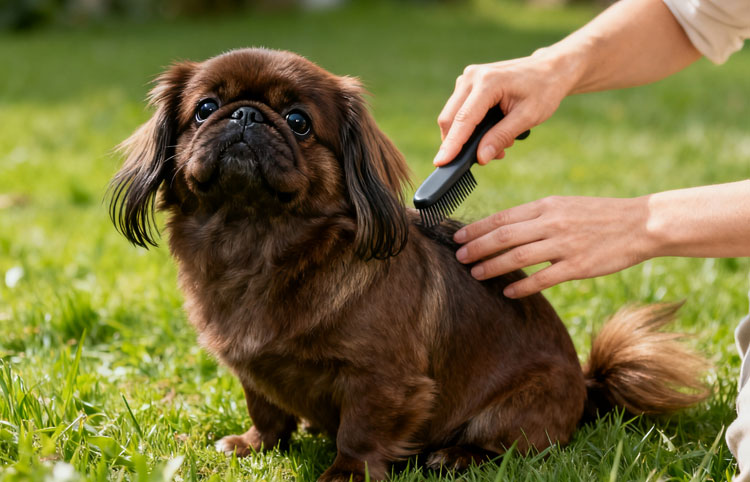
2. Heavy Shedding: Its soft, thick coat, while visually appealing, results in significant shedding. Seasonal changes bring concentrated shedding periods, and daily shedding leaves hair scattered throughout the home. To maintain its coat’s neatness and minimize hair residue, regular brushing is essential, with additional grooming as needed.
3. Susceptibility to Illness: With relatively limited breeding numbers and strong genetic stability, Pekingese dogs face a higher risk of certain health conditions. During their upbringing, pay special attention to nutritional needs, ensuring a balanced diet. Schedule regular check-ups at the veterinary clinic to detect potential health issues early and implement preventive care.
VIII. Training Your Pekingese
1. Potty Training
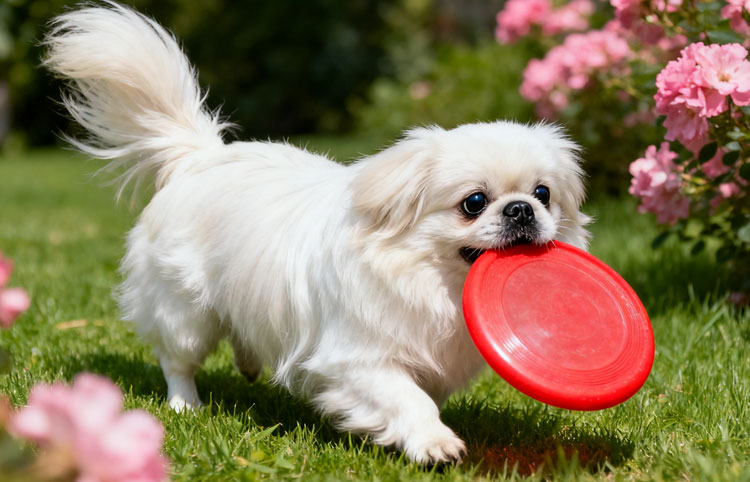
The puppy stage is crucial for establishing good bathroom habits. Pekingese are naturally intelligent and typically master proper potty etiquette within a week. When first bringing your puppy home, observe its elimination patterns. If it relieves itself indoors, collect newspaper soaked in its urine and place it in the designated potty area. This helps the dog associate the scent with the “toilet” location.
Promptly clean up any other soiling in the house and thoroughly eliminate odors with a cleaning agent. Pekingese have an extremely sensitive sense of smell; lingering odors may cause them to mistakenly believe those areas are acceptable for elimination, significantly undermining training effectiveness. Consistently guiding them using this method, within about three to five days, Pekingese will begin to voluntarily use the designated area without frequent reminders from their owner.
2. Basic Behavior Training
(1) Sit Training: Allocate 20 minutes daily for foundational training to prevent boredom from prolonged sessions. To teach the “Sit” command, hold a treat like a dried meat strip high in your left hand to capture its attention. Simultaneously, gently press its hips with your right hand to guide it into a natural sitting position with legs tucked. Immediately reward it with the treat upon completing this sequence, linking the “Sit” action with receiving a reward to reinforce the association.
(2) Shake Hands Training: It’s recommended to introduce shake hands training only after your dog has mastered the “sit” command, as this reduces learning difficulty. When your dog sits obediently, gently lift its front paw while clearly giving the “shake hands” command. Reward with a treat upon completion to help it gradually understand the command’s meaning.
(3) With consistent training over approximately 20 days, Pekingese dogs can learn to understand three or more simple commands. Throughout training, owners must remain patient and avoid frustration over occasional mistakes. Maintain consistency in commands and reward methods, using positive reinforcement to make learning enjoyable and boost motivation.
IX. Feeding and Care for Pekingese
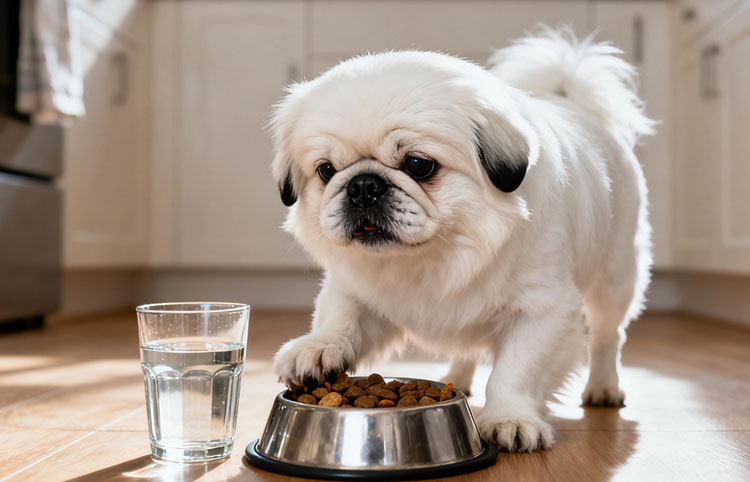
1. Nutritional foundation: Daily meals should include appropriate portions of vegetables, bread, biscuits, and other plant-based foods. Additionally, serve 150–250 grams of lean meat in the morning and afternoon. For variety, supplement with fresh ingredients like small shrimp or fish to provide protein. Incorporate powdered milk, calcium supplements, and ground multivitamins into plant-based meals to address nutritional gaps. Always provide cool boiled water to ensure adequate hydration.
2. Despite their compact size, Pekingese require moderate exercise. Appropriate physical activity promotes blood circulation and metabolism, helping maintain optimal health. When running errands or visiting parks, bring your Pekingese along to breathe fresh air and experience the outdoors.
3. Hygiene is crucial. Their long, thick coats can become matted and tangled without regular grooming, which not only looks unkempt but can also harbor bacteria. Comb their fur daily using a comb. Applying a small amount of detangling powder or conditioner beforehand makes brushing smoother and reduces hair breakage. During hot summer months, bathing once a week is recommended to maintain coat cleanliness. Teeth should also be cleaned regularly using a pet-specific toothbrush.
4. Pekingese have large, protruding eyes that frequently come into contact with the environment, making them susceptible to bacterial infections like keratitis or corneal ulcers. To prevent eye infections, gently cleanse the eyes daily or every other day with a 2% boric acid solution.
5. This breed has a relatively delicate constitution with limited disease resistance and poor tolerance for harsh environments. As a brachycephalic (flat-nosed) breed, its unique respiratory structure makes it prone to oxygen deprivation. During hot, humid summer weather, they may experience discomfort or illness due to breathing difficulties. Therefore, sun protection and cooling measures are essential. Avoid prolonged exposure to direct sunlight. When outdoors, provide shade and promptly move them to a cool, well-ventilated area upon returning home. During sudden temperature changes, adjust their environment to maintain warmth and prevent colds.

X. Foods to Avoid Feeding Pekingese
1. Milk: Many people habitually feed milk to dogs, believing it provides nutrition. However, Pekingese lack sufficient lactase to digest milk sugar. The high lactose content in milk cannot be effectively absorbed, potentially causing diarrhea. Long-term consumption may also weaken their immune system.
2. High-fat meats and pungent foods (spicy, sour, salty): These irritate the Pekingese’s gastrointestinal lining, disrupting normal intestinal function and potentially causing vomiting or diarrhea. Long-term consumption also burdens the liver and kidneys.
3. Animal livers such as chicken liver: Animal livers contain extremely high levels of vitamin A. Occasional small amounts are generally harmless, but long-term excessive consumption can lead to vitamin A accumulation in the body. This causes symptoms like limb swelling and pain. In severe cases, it can impair mobility and even lead to paralysis.
4. Chocolate: The theobromine in chocolate is toxic to Pekingese dogs. Consumption may cause severe symptoms like urinary incontinence and seizures. Without prompt treatment, it can be life-threatening. Therefore, feeding chocolate must be strictly prohibited.
5. Small Bones: Bones like chicken or fish bones are hard and have sharp edges. If swallowed by a Pekingese, they can easily get lodged in the throat or scratch the esophagus and stomach, causing dangerous internal bleeding.
6. Pastries: Pastries are typically sticky and viscous. When swallowed, they can adhere to the esophageal walls, causing blockages and breathing difficulties. Additionally, the sugar and additives in pastries are detrimental to their health.
7. Squid, Shellfish, Shiitake Mushrooms, etc.: These foods have unique textures that are difficult for Pekingese to digest. Consumption can cause bloating, diarrhea, vomiting, and other symptoms that compromise gastrointestinal health.
8. Processed Foods with Preservatives (e.g., Ham Sausages, Sausages, Dried Squid Strips): These processed foods contain high levels of preservatives, additives, and salt. Long-term consumption can damage the Pekingese’s bodily functions and increase the risk of chronic diseases.
XI. Common Health Issues in Pekingese
1. Skin conditions are highly prevalent in Pekingese. For daily care, bathing every 4-5 days is recommended. Excessive bathing can strip the skin’s natural oils, leading to dryness and sensitivity; insufficient bathing may foster bacterial growth and parasites. Pekingese dogs are naturally prone to weight gain. Overfeeding or lack of exercise can lead to obesity, which may trigger complications like diabetes and arthritis. Therefore, daily food intake should be strictly controlled and combined with appropriate exercise.
2. Due to their spinal structure, Pekingese are highly susceptible to intervertebral disc disease. In the early stages, affected dogs may show reluctance to move or jump, exhibit an unnatural arch in the back, and walk with uncharacteristic stiffness. When picked up, they may emit a “grunting” sound due to pain. If left unmanaged, the condition may progress to severe stages, potentially causing sudden hind limb paralysis, incontinence, and hind leg muscle atrophy. This occurs when narrowed spinal spaces allow the nucleus pulposus to herniate and compress nerves. Even with timely treatment alleviating symptoms, recurrence remains possible. Therefore, long-term exercise restrictions are necessary post-treatment to prevent strenuous activity from aggravating spinal strain.
3. Symptoms of lumbar disc herniation typically emerge gradually after a dog reaches 2 years of age, with peak incidence around 5 years. The condition manifests in acute and chronic forms. During acute onset, dogs experience sudden, severe back pain, with immediate loss of mobility and sensation in the hind legs and tail. Intense pain may cause incessant howling and rolling, indicating a critical condition. Chronic onset presents milder, cramp-like symptoms: hind legs curling, front legs scratching the body, occasionally accompanied by rolling or incontinence. However, symptoms typically resolve spontaneously within minutes. Many owners mistakenly interpret chronic symptoms as ordinary cramps, neglecting treatment. This leads to gradual deterioration, where the intervertebral disc eventually compresses nerves completely, causing permanent paralysis and missing the optimal treatment window.

-
Sale!
Washable Pet Cooling Pad for Cats and Dogs
Original price was: $10.99.$9.99Current price is: $9.99. This product has multiple variants. The options may be chosen on the product page -
Sale!
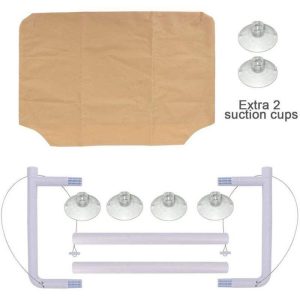
Washable Cat Window Hammock Cooling Bed
Original price was: $23.99.$22.99Current price is: $22.99. -
Sale!
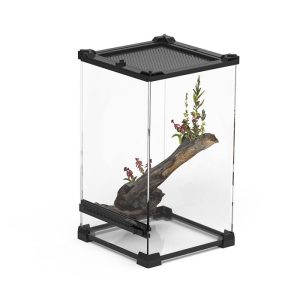
Tropical Amphibian Rainforest Tank, Lizard Cage
Original price was: $38.99.$36.99Current price is: $36.99. -
Sale!

Silent 4-in-1 Waterproof Charging Dog Hair Trimmer
Original price was: $49.88.$47.99Current price is: $47.99.
