
Corgis are endearing small dogs with steady, dependable personalities. Unlike many small breeds prone to sensitivity and anxiety, they make ideal companions for children growing up. Bold and alert, they diligently guard homes and yards, earning a solid reputation among small guard dogs.
I. Corgi Breed Classification
Welsh Corgi, Pembroke Welsh Corgi, Swedish Corgi, Cardigan Welsh Corgi.
II. Corgi Pricing
Pet-quality puppies typically range from $225 to $495. Puppies with purer bloodlines cost between $495 and $1,195. Show-quality puppies command prices exceeding $1,195.
III. Corgi Lifespan
A corgi’s lifespan is heavily influenced by how it’s cared for. Neglectful owners often see their dogs live only 9 to 12 years, while scientifically and meticulously cared-for corgis commonly reach 15 years.

IV. Selecting a Corgi
1. Check the pedigree certificates
The easiest way to confirm a purebred status is to ask the seller to provide the pedigree certificates of the puppy’s parents. If both parents have official pedigree certificates, the puppy’s purebred foundation is assured, giving you peace of mind.
2. Examine the coat color
Purebred Corgis come in only a few coat colors: fawn, tan, black, and merle. If a puppy is predominantly white, it definitely doesn’t meet purebred standards. Be sure to examine the coat color carefully when selecting.
3. Check the Ears
Ears are key to determining a Corgi’s purity. Purebred Corgi ears are triangular with a rounded overall shape but slightly pointed tips. Try gently pulling the tip of the ear—it should just cover the front edge of the eye. This is the look of a purebred Corgi.
4. Body Structure
Corgis are naturally short, standing about 30 cm tall and weighing around 15 kg. Their backs should be straight, with a sturdy, muscular build. If you see a dog with a curved back, it’s likely not purebred.
5. Gait
When selecting a puppy, always have it walk a few steps. Purebreds walk with a steady, even stride that looks relaxed and natural. If a puppy moves slowly or listlessly, it likely has poor health and isn’t a robust dog.

V. Advantages of Corgis
1. Adorable and Affectionate
Their cute appearance is a major plus—just looking at them brings joy. They’re also exceptionally good at interacting and cuddling with their owners. They aren’t slow learners and pick up basic daily skills quickly. They are obedient to their owners and don’t require much effort to train.
2. Very Brave
Bravery doesn’t mean they’re good at fighting—Corgis often lose in fights. But this doesn’t diminish their courage. They are quite clever and act according to the situation. When real danger arises, they will actively step in to protect their owner and themselves.
3. Gentle and Enthusiastic
Most Corgis aren’t shy around strangers. Whether it’s visitors at home or people greeting their owner on the street, they’ll enthusiastically welcome everyone—regardless of familiarity—without barking wildly or showing fear. Their temperament is incredibly gentle, making them beloved by all who meet them.
4. Loves to be affectionate and play the victim
Affection is its secret weapon. When it wants treats or something else, it fixes you with those big, round, innocent eyes, making it impossible to refuse. Sometimes it deliberately plays the victim, really just to get some extra goodies.
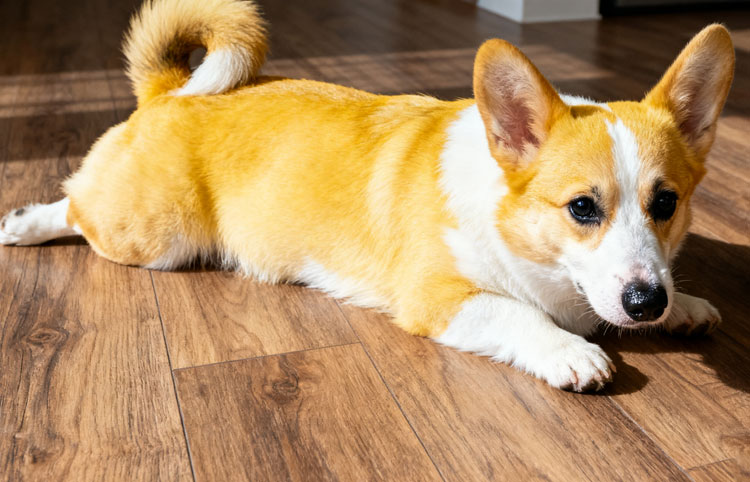
VI. Drawbacks of Corgis
1. A Bit Stubborn
Despite their small size and short legs, they possess a stubborn streak. After sulking at their owner, they rarely initiate reconciliation. Their stubborn nature means owners must patiently coax them; otherwise, they might engage in a prolonged cold war.
2. Low Center of Gravity
Their short legs and perky rear are undeniably cute, but they come with their own set of challenges. After walks, you’ll need to wipe not just their paws but also their belly. On rainy or snowy days, even with a raincoat, mud will inevitably stick to their belly, making cleanup a real hassle.
3. Boundless Energy
Once they start playing, they won’t stop until they’re completely satisfied. If you let go of the leash, they’ll bolt and become nearly impossible to catch. So when walking them, never let the leash go slack—calling them back becomes nearly impossible.
4. Loud Bark
Corgis have a high-pitched, piercing bark that only gets louder the more they do it. The slightest noise outside or a stranger at the door sends them yapping at the top of their lungs, as if afraid their owner won’t notice.
5. Heavy Shedding
Corgis shed quite a bit, requiring daily brushing. They also tend to gain weight easily—they eat a lot but have sensitive stomachs, so extra care is needed. Keep some digestive supplements on hand, and avoid feeding overly salty or greasy foods, as these can worsen shedding and cause stomach issues.
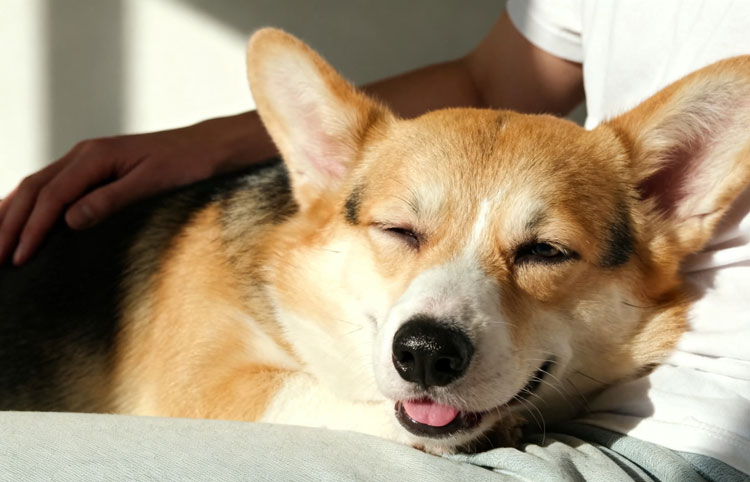
VII. Scientific Corgi Care
1. Feed at Regular Times and Portions
Maintain consistent feeding schedules for corgis. Avoid arbitrary portion sizes. Puppies require smaller, more frequent meals, while adults should be fed twice daily. Never overfeed—aim for about 80% fullness to prevent indigestion.
2. Daily Exercise Routine
Daily walks are essential to maintain physical strength and longevity. Aim for two walks per day, each lasting 1-2 hours, to adequately expend their energy.
3. Maintain Regular Deworming and Vaccinations
Never skip scheduled deworming and vaccinations, as these significantly impact a Corgi’s lifespan. Some Corgis may experience mild diarrhea or lethargy after treatment. Supplementing with probiotics during this time can provide noticeable relief.
4. Choose Nutrient-Rich Dog Food
Prioritize commercial dog food as the main diet, as it’s specifically formulated to meet canine nutritional needs. Opt for nutritionally complete formulas using chicken, beef, or fish as primary ingredients. These provide ample protein and include added vegetables to ensure your Corgi receives sufficient nutrients.
5. Provide Regular Dental Stimulation
To promote longevity, dental care is essential. Brush your Corgi’s teeth several times weekly, offer large bones for chewing, and keep dental treats on hand to prevent tartar buildup.

VIII. Training Methods for Corgi Dogs
1. Optimal Training Time
Corgis are particularly mischievous before age one, curious about everything and prone to causing trouble. Once they reach three months old, their physical development is mostly complete and they’ve adapted to their home environment. This is the best time to begin training, as they learn quickly and are more obedient.
2. Simple Command Training
When teaching “Sit,” owners must give clear verbal cues. Initially, the puppy may not understand. Gently assist by either pressing down on its back or patting its bottom to encourage bending its hind legs and sitting. Immediately reward with treats upon success. Repeat several times for retention.
3. Designated Potty Training
Corgis begin seeking specific spots for elimination as early as a few months old. Failing to guide them properly at this stage makes correction difficult later. Place pee pads or a dog toilet in the desired location, lightly coating them with the puppy’s own waste to attract them with scent. Thoroughly clean any areas where accidents occur, as residual odors will draw them back.
4. Jumping Obstacles Training
Corgis have short legs, making stair climbing and obstacle crossing more challenging than for other breeds. Set up simple obstacles at home. Bring your dog to the obstacle, give the “jump” command, then stand on the opposite side and call it over to see if it jumps. Reward successful jumps. If it goes around the obstacle, correct it immediately. Repeat this exercise several times until it masters it.
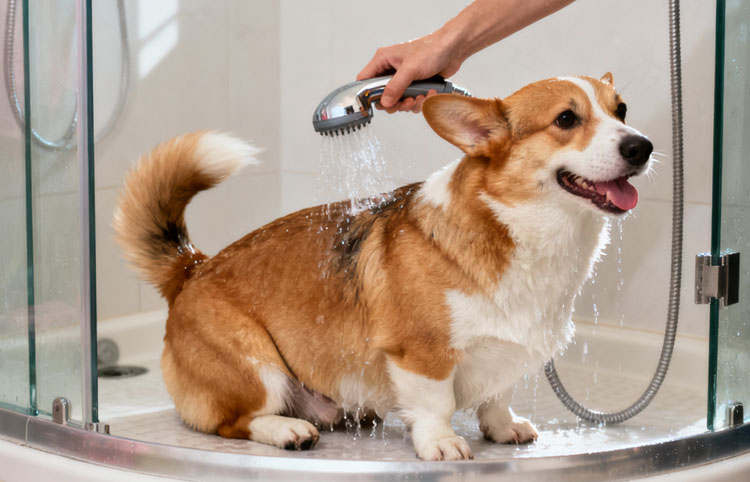
IX. Corgi Grooming and Care
1. Corgis have a double coat that sheds heavily during seasonal changes. Use a slicker brush and comb 2-3 times weekly to remove loose hair and dust, preventing matting. Bathing isn’t needed too often—once every 1-2 months is sufficient. Use pet-specific shampoo, and ensure the coat is thoroughly dried afterward, especially the belly and armpits, as dampness can lead to skin issues. In summer, trim excess hair on the belly and rear, but leave the back hair to provide sun protection.
2. Corgi ears droop downward, making them prone to harboring debris. Weekly cleaning is needed: use a cotton swab dipped in ear solution to gently wipe the outer ear canal, avoiding insertion into the inner ear. Daily wipe tear stains around the eyes with pet wipes. Feeding purple sweet potatoes or carrots can also help reduce tear staining. Anal glands require monthly expression to prevent foul-smelling buildup. If unsure, seek assistance from a veterinary clinic.
3. Corgis’ short legs bear their full weight, necessitating monthly nail trims (1-2 times). Use pet nail clippers, avoiding the quick. File nails afterward to prevent scratches to yourself or your owner. Regularly trim the hair on their paw pads, especially between the toes, as it easily traps dirt and forms mats.
4. Teeth require regular brushing—2-3 times weekly using pet-specific toothpaste to prevent tartar buildup. After each outing, wipe their paws and belly clean. During grooming, inspect their skin and ears closely. If you notice redness, swelling, or unusual odors, seek veterinary care promptly.

X. Common Health Issues in Corgis
1. Intervertebral Disc Disease (IVDD)
Corgis’ heads and limbs connect to the spine, with spinal nerves controlling movement. If discs deform due to external pressure, they can compress nerves, causing severe pain and potential limb numbness. Issues near the thoracic spine may even lead to paralysis.
Symptoms: Reduced agility when walking, running, or jumping; reluctance to move; weakness in limbs. If left untreated, it may affect bladder and bowel control, eventually leading to inability to stand.
2. Skeletal Disorders
Both calcium deficiency and excess can impair Corgi bone development. Improper exercise during puppyhood or unsuitable home environments can also damage bones. Beyond congenital conditions, obesity poses the greatest threat to skeletal health. Overfeeding is the primary cause of weight gain in dogs, accounting for roughly 6%–7% of cases. Dogs that remain indoors with minimal activity are particularly prone to obesity-related skeletal issues.
Symptoms: Noticeably slower movement. Touching the legs or body may cause yelping, nervousness, or reluctance to be touched.
3. Progressive Retinal Atrophy (PRA)
This condition causes gradual vision loss, potentially leading to blindness. Dogs under 3 years old may develop it from eye inflammation or injury; some cases are hereditary.
Symptoms: The dog frequently bumps into objects in dim lighting. When an object is waved in front of its eyes, its eyes do not follow the movement.
4. Urinary Tract Stones
Inflammation of the bladder or the formation of urinary tract stones, if left untreated, can progress to stones forming in the kidneys and ureters. Bacterial infections are a common cause, though genetic predisposition is also possible. Research indicates that both excessive and insufficient water intake can increase susceptibility to urinary tract stones.
Symptoms: Noticeably reduced urination frequency. The dog may show signs of pain or reluctance when its abdomen is touched.
5. Skin Diseases
Skin conditions are quite common in Corgis, including acute moist dermatitis and atopic dermatitis. Poor household hygiene can attract fleas, ticks, and fungi.
Symptoms: During summer or humid weather, the dog may excessively scratch or lick its skin, sometimes causing breaks in the skin.
6. Hip Dysplasia
This condition is not uncommon in Corgis, ranking around 40th in prevalence among all dog breeds. Among affected dogs, 17.6% are Pembroke Welsh Corgis. Excessive calcium supplementation during puppyhood is the primary cause of this condition in Corgis.
7. Obesity
According to international standards, Corgis weighing 10%–15% above the normal range are considered obese. Obese Corgis accumulate excessive fat, particularly around the abdomen and flanks, appearing round and plump. They walk with a waddling gait, exhibit sluggish reactions, and show reduced activity levels.

-
Sale!
Washable Pet Cooling Pad for Cats and Dogs
Original price was: $10.99.$9.99Current price is: $9.99. This product has multiple variants. The options may be chosen on the product page -
Sale!

Washable Cat Window Hammock Cooling Bed
Original price was: $23.99.$22.99Current price is: $22.99. -
Sale!

Tropical Amphibian Rainforest Tank, Lizard Cage
Original price was: $38.99.$36.99Current price is: $36.99. -
Sale!

Silent 4-in-1 Waterproof Charging Dog Hair Trimmer
Original price was: $49.88.$47.99Current price is: $47.99.
