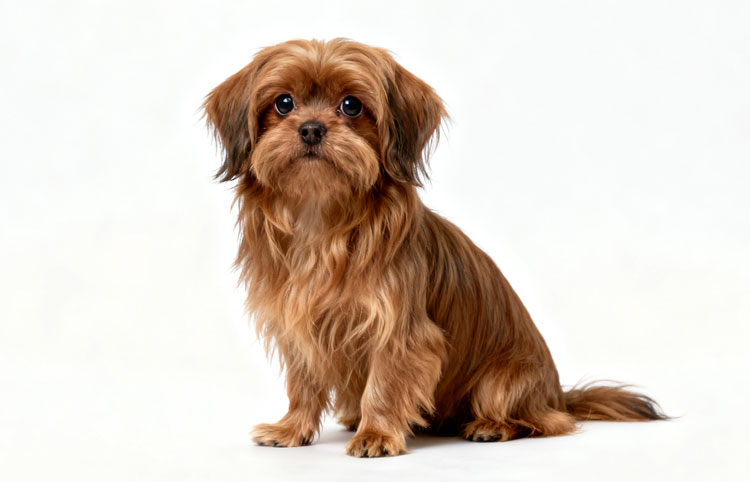
 The Havanese, also known as the “Havana Bichon,” traces its history back to the 18th century. Originating in Cuba, it is the national dog of Cuba and the only indigenous breed of the region. Some sources suggest that the breed was first brought from the Canary Islands to Cuba, where it was developed into a dedicated companion dog. It is highly popular among dog enthusiasts across the Americas and enjoys considerable popularity in the United States.
I. Advantages of the Havanese
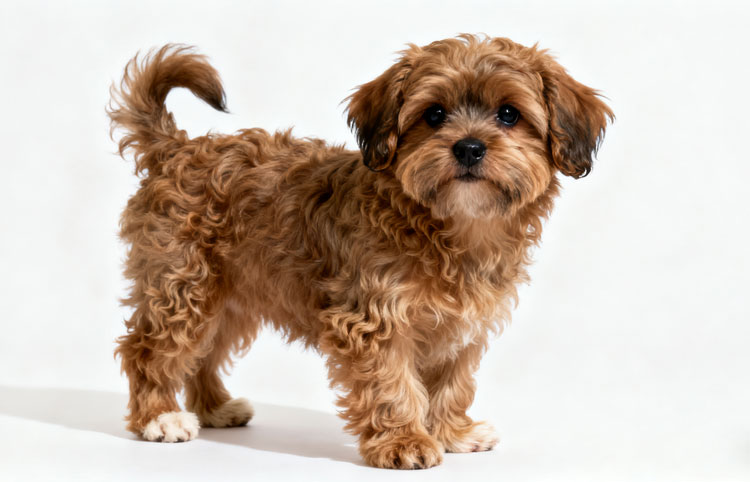
1. The Havanese has an exceptionally appealing appearance—small in size, sweet-faced, and covered in thick, soft hair. Its fluffy curls sway gently with each movement, making it irresistibly cute.
2. Many owners praise the Havanese for its high intelligence. Training usually requires little effort to achieve ideal results, and pairing training with treats can further enhance performance.
3. Some owners report that their Havanese gets along well with young children, even those under five, without conflicts.
4. The Havanese has virtually no noticeable body odor, making it suitable for indoor living. Although a long-haired breed, its hair is similar to human hair and sheds very little. It is among the few breeds unlikely to trigger hair allergies, making it friendly to sensitive individuals.
5. The breed has a stable, gentle, and calm temperament and does not require extensive exercise. It is a suitable choice for elderly owners, as simple daily walks are enough to meet its needs, offering emotional support and reducing feelings of loneliness.
II. Disadvantages of the Havanese
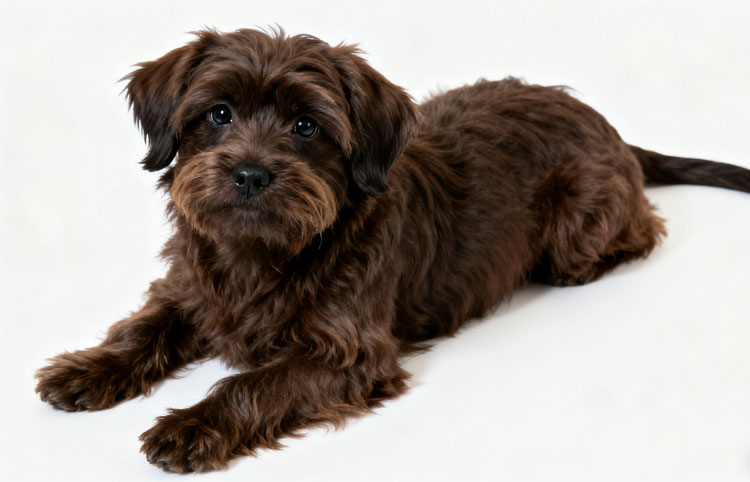
Havanese grooming requires considerable maintenance: After about one year of age, the coat grows longer and requires regular care—haircuts every 4–6 weeks or brushing twice weekly; otherwise, the coat easily becomes tangled and matted.
III. How to Care for a Havanese
1. Diet
Choose grain-free formulas with at least 25% meat content designed for small-breed dogs.
Puppies: feed 3 times a day.
Adults: feed twice a day.
A 4-kg adult dog should be fed 60–80 g per meal, adjustable based on stool consistency.
Provide boiled, cooled drinking water and ensure sufficient daily supply.2. Living Environment
Place the dog bed indoors, away from air-conditioning vents and sunny balconies.
Use a fan to help with cooling during summer.
Provide warm pads in winter.
Disinfect the living area weekly with pet-safe quaternary ammonium disinfectant.
Wash the dog bed weekly and sun-dry it for at least 4 hours to fully sanitize.
3. Health Care
First DHPP vaccine at 45 days old
Second dose after 21 days
Third dose after another 21 days
Rabies vaccine at 3 months old
Thereafter, administer one DHPP booster and one rabies vaccine annually.
4. Grooming the Coat
Use a rounded-tip pin brush. Brush from root to tip and separate hair into small sections when brushing behind the ears and under the armpits.
Before bathing, ensure the coat is completely detangled.
Water temperature: 38–40°C
Dilute shampoo before use
Focus on the abdomen and paws
After bathing, blow-dry thoroughly on low heat.
Trim hair around the eyes to about 0.5 cm from the eyeballs and trim paw-pad hair level with the pads.
5. Oral Care
Use dog-specific chicken-flavored toothpaste with a finger brush or small soft-bristle toothbrush. Brush from the canines toward the molars for 1 minute.
Provide edible rawhide chews 1–2 times per week to help reduce tartar.
IV. Training the Havanese
1. Sit Command:
Hold a treat over the dog’s head and move it slowly backward to encourage the dog to sit naturally. Say “Sit” the moment its bottom touches the ground and reward immediately.
Train 3 sets daily, 5 repetitions per set, with 10-second breaks. After 3 days, gradually reduce treat frequency.
2. Potty Training:
Bring the dog to the designated toilet spot after meals and sleep. Reward immediately after elimination.
If accidents occur, simply clean up without scolding. Continue for 7–10 days to build a conditioned habit.
3. Leash Training:
Use a short leash. When the dog strays from your side, gently tug the leash and say “Heel.” Reward when it returns to the correct position.
Walk 10 minutes daily at first. Slow down before distractions arise and keep the leash loose to avoid pulling.
4. Stop Barking:
When the dog barks without cause, say “Quiet” and use eye contact. If it stops for 2 seconds, reward immediately. If it continues barking, turn away and ignore it.
Train 4–5 times daily, especially in scenarios such as doorbells or strangers.
5. Desensitization & Socialization:
Take the dog to new environments twice a week. When encountering unfamiliar sounds, gently soothe and offer treats.
Gradually increase exposure time and never force interaction to avoid fear. Focus on improving the dog’s tolerance to being touched by strangers.
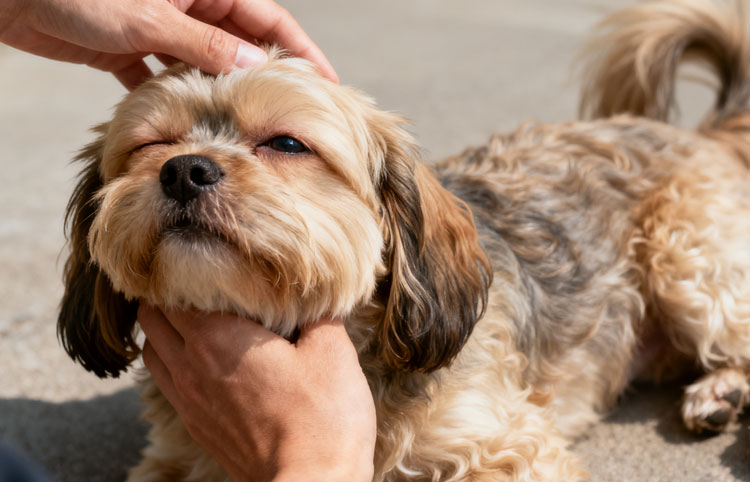
V. Grooming the Havanese
1. Daily Brushing:
Use a pin brush once daily, focusing on areas prone to mats (behind ears, armpits, abdomen, tail base). Brush at a 45° angle to reduce discomfort.
Use a comb twice weekly for deep grooming. If mats are found, avoid pulling—cut along the edge of the tangle before brushing out.
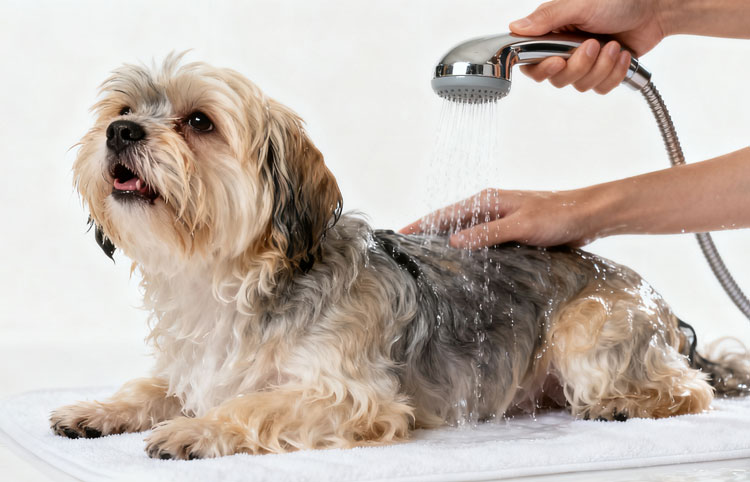
2. Bathing:
Bathe once every 2–3 weeks.
Place cotton in the ears to prevent water entry.
Use mild dog shampoo diluted 1:5. Massage gently for 5 minutes, especially between paw pads, around the anus, and in belly folds.
Rinse thoroughly with 38–40°C water.
3. Drying:
Towel-press excess water, then dry with a blow-dryer on medium-low heat until the roots are fully dry.
Brush with a pin brush while drying to keep the coat fluffy.
4. Head Trim:
Trim around the eyes to under 0.5 cm to avoid obstructing vision or irritating the eyes.
Comb and neaten whiskers and muzzle hair with rounded scissors.
5. Feet Care:
Trim excess paw-pad and interdigital hair to prevent slipping or dirt buildup.
Clip nails carefully, avoiding the quick—only trim the white tips. Use styptic powder if bleeding occurs.
6. Ear Cleaning:
Clean the ears weekly with dog-specific ear cleaner.
Apply 1–2 drops, massage the ear base for 30 seconds, let the dog shake out debris, and wipe the outer ear canal with cotton.
Do not insert cotton swabs deep into the ear canal.
7. Anal Gland Care:
Express anal glands every 1–2 months.
Lift the tail, place fingers at the 4 and 8 o’clock positions around the anus, and gently squeeze inward to release brownish-yellow fluid.
VI. Common Health Issues in Havanese
1. Eye Issues:
Prone to cataracts, which cause lens cloudiness and may lead to blindness, especially in older dogs.
Also susceptible to dry eye, causing increased discharge, dryness, and potential corneal damage.
2. Hip Dysplasia:
Puppies may develop abnormal hip structure, leading to limping and reluctance to jump in adulthood.
Excess weight worsens symptoms.
3. Heart Problems:
Mitral valve regurgitation is common. Early stages may show no symptoms; later, dogs may cough, breathe rapidly, or have reduced stamina.
Risk increases significantly with age.
4. Allergies:
Triggers include pollen, dust mites, and certain foods. Symptoms include itching, redness, hair loss, and secondary infections from excessive scratching—often around the face and inner limbs.
5. Patellar Luxation:
The kneecap can slip out of position.
Mild cases cause occasional limping; severe cases prevent normal weight-bearing.
Frequent leg-lifting or “skipping” in puppies warrants veterinary evaluation.
6. Dental Issues:
Crowded teeth and poor oral hygiene lead to plaque, tartar, gingivitis, and periodontal disease—causing bad breath, swollen gums, and loose teeth, affecting eating and nutrient absorption.
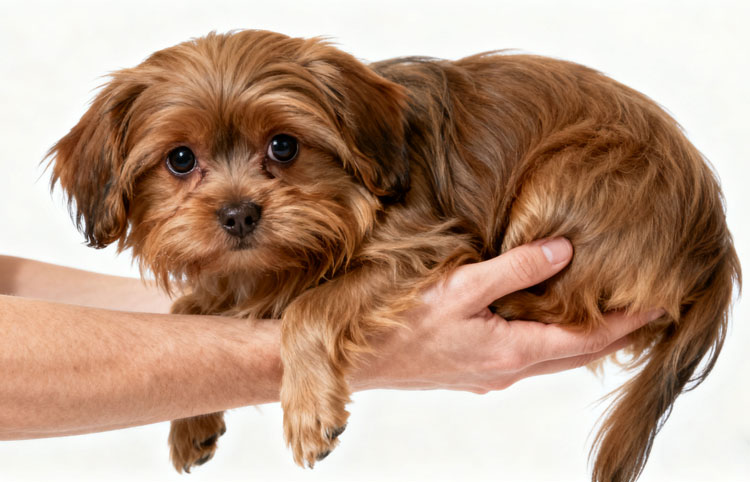
VII. How to Choose a Havanese
1. Source:
Avoid pet shops or street vendors. Choose reputable Havanese breeders and, if possible, visit in person to observe the parents’ health and appearance.
2. Eyes:
Healthy puppies have bright, moist, full-looking eyes.
Redness or excessive tearing may indicate tear-duct issues or hereditary eye disease.
3. Ears:
Lift the floppy ears and smell them.
Healthy ears should be clean and odor-free.
A sour smell or brown residue suggests mites or infection.
4. Coat:
Short, soft puppy fur is normal.
Check for smoothness and shine.
Dry, matted coats or red, flaky skin may indicate poor nutrition or improper care.
5. Temperament:
A good puppy is relaxed and willing to approach people.
Struggling intensely or trembling in a corner may indicate overly timid or aggressive tendencies, making future training more difficult.
6. Limbs:
Observe the puppy running.
Look for limping or wobbling—Havanese are prone to patellar luxation.
A “hopping” gait is a warning sign.
7. Vaccination:
Ensure the puppy has received at least two core vaccines with a stamped veterinary record.
Avoid taking home puppies without completed vaccination stages.
8. Stool:
Healthy stool is formed and dark brown.
Diarrhea, blood, or visible worms suggest parasites or gastrointestinal disease.

VIII. Lifespan of the Havanese
The average lifespan is 12–15 years, but with excellent care, some individuals can reach 16–18 years.
IX. Price of the Havanese
Mixed-breed Havanese typically cost $120–225 USD.
Standard purebred individuals are around $750 USD, while high-quality purebred dogs usually exceed $1,500 USD.
X. Foods Havana Dogs Should Not Eat
1.The Havanese is highly sensitive to theobromine found in chocolate. Even small amounts can cause vomiting, diarrhea, and rapid heart rate, and in severe cases may lead to seizures or kidney failure.
2.Both grapes and raisins can cause irreversible kidney damage in Havanese dogs. There is currently no known safe intake level—eating even one or two pieces may trigger kidney failure, accompanied by lethargy and lack of urination.
3.Onions, garlic, and related processed products contain sulfides, which can destroy a Havanese’s red blood cells and cause hemolytic anemia. Symptoms include weakness, pale mucous membranes, and blood in the urine.
4.Alcohol suppresses the central nervous system of the Havanese, potentially causing rapid breathing, lowered body temperature, and hypoglycemia. Due to their small size, even small amounts of beer, liquor, or alcohol-containing pastries can be life-threatening.
5.Avocados contain the toxin “persin” in their pit, skin, and flesh. After ingesting it, Havanese dogs may experience vomiting, diarrhea, and other discomfort.
6.Xylitol, commonly found in sugar-free gum, cookies, toothpaste, and similar products, can cause a rapid drop in a Havanese’s blood sugar, leading to severe symptoms such as seizures and coma.
7.Human foods and fried items typically contain high levels of salt and fat. Long-term or excessive consumption by a Havanese increases the metabolic burden on the kidneys and pancreas and may lead to obesity, pancreatitis, pronounced tear staining, and other health issues.

-
Sale!
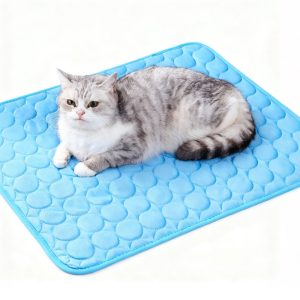
Washable Pet Cooling Pad for Cats and Dogs
Original price was: $10.99.$9.99Current price is: $9.99. This product has multiple variants. The options may be chosen on the product page -
Sale!
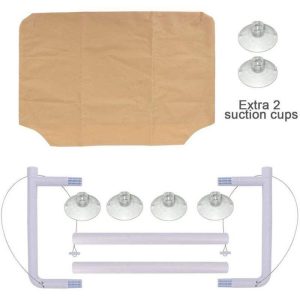
Washable Cat Window Hammock Cooling Bed
Original price was: $23.99.$22.99Current price is: $22.99. -
Sale!
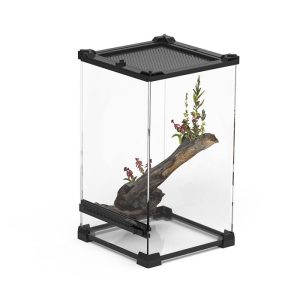
Tropical Amphibian Rainforest Tank, Lizard Cage
Original price was: $38.99.$36.99Current price is: $36.99. -
Sale!

Silent 4-in-1 Waterproof Charging Dog Hair Trimmer
Original price was: $49.88.$47.99Current price is: $47.99.
