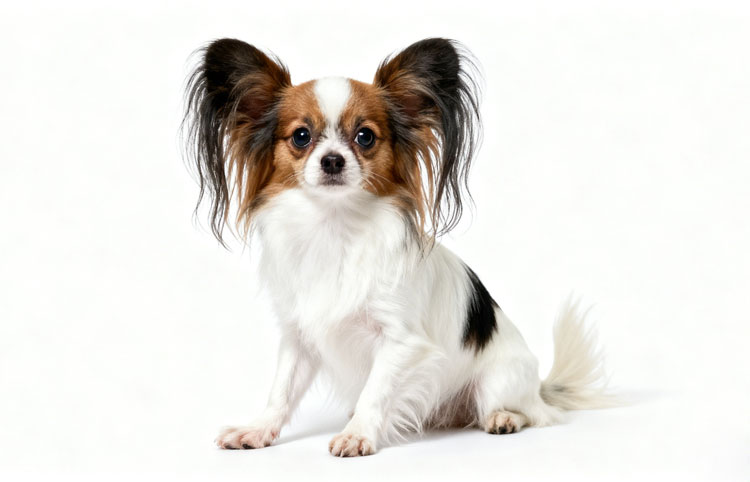
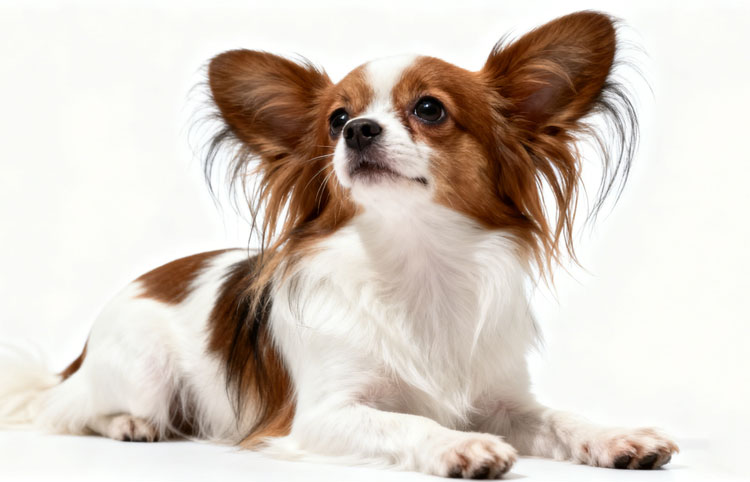
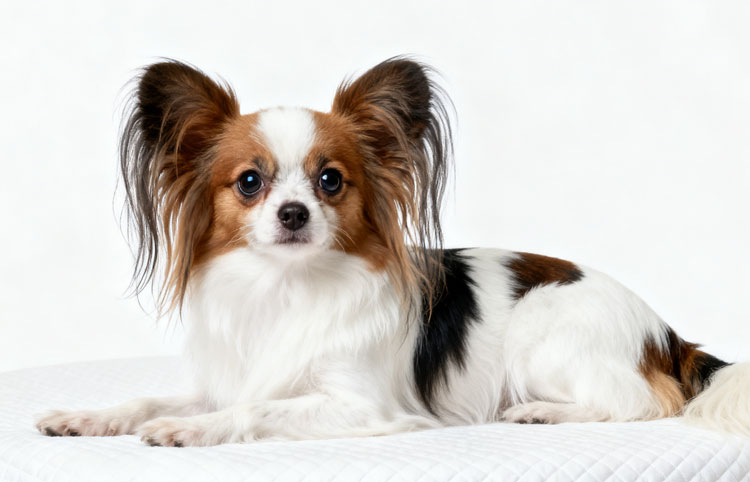
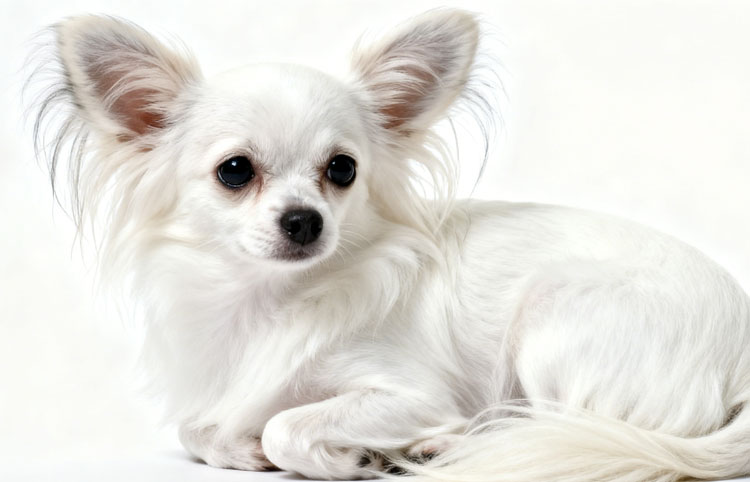
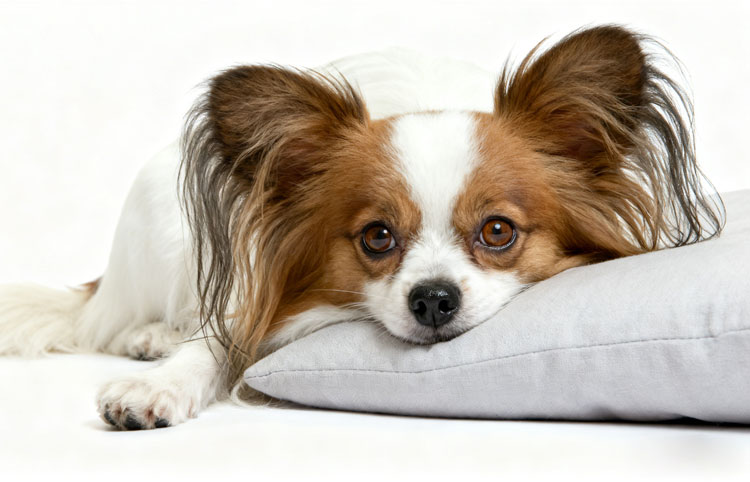
The Papillon dog is a small toy breed, standing approximately 20-28 cm at the shoulder and weighing about 2-5 kg. When it comes to appearance, the Papillon’s ears are undoubtedly the standout feature: Interestingly, Papillons come in two ear types—pricked ears and drop ears. The former is named Papillon (French for “butterfly”), while the latter is called Phalène (French for “moth”).
I. Advantages of the Papillon Dog
1. They have minimal body odor, causing almost no impact on the indoor environment.
2. They are highly intelligent and adapt quickly to training, developing good behavioral habits with ease.
3. They are gentle and friendly, showing kindness toward family members, owners, and even other pets.
4. They bark less frequently and require only moderate exercise to maintain good health, making them easy and convenient to care for.
5. They shed very little, and under normal circumstances, almost no significant hair loss occurs, reducing cleaning work for owners.
II. Disadvantages of the Papillon Dog
1. Influenced by ancestral scavenging instincts, a papillon dog may dig through trash cans or chew on furniture and shoes.
2. The papillon dog tends to be sensitive and reactive, easily startled by minor sounds, and may bark sharply without proper guidance.
3. A papillon dog may form strong emotional dependence on its owner and show anxiety or jealousy when the owner interacts closely with other pets or people.
4. Papillon dogs are susceptible to patellar luxation, eye diseases, and other health issues, requiring regular checkups. Their relatively delicate bodies make them less adaptable to environmental changes.
III. How to Choose a Papillon Dog
1. Select individuals that are energetic and physically strong.
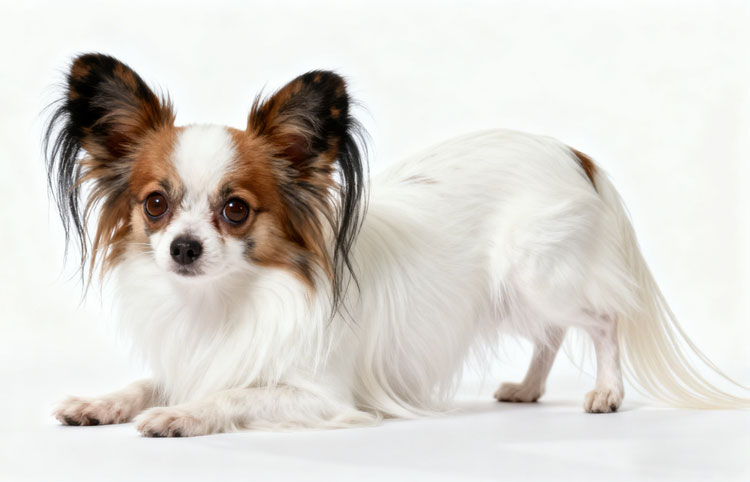
2. Avoid dogs that deviate from typical papillon dog standards in size or physical features.
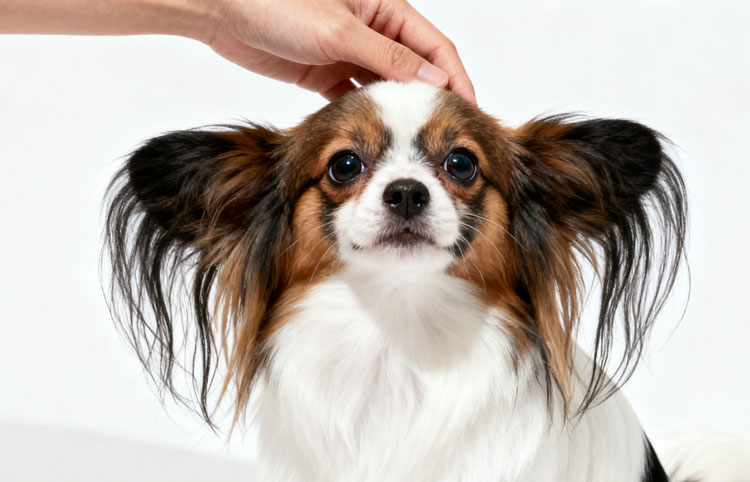
3. A symmetrical stripe pattern from the forehead to the nose adds greater aesthetic value.
4. Ears should be large, upright, with long fringe hair, resembling open butterfly wings.
5. The skull should be rounded, and the muzzle slender and tapered; avoid long skulls or overly thick muzzles.
6. Eyes must be deep and dark; those with lighter eye color are likely not purebred.
7. Avoid bodies that are too short or legs that are too long, as they reduce the breed’s elegance.
8. Preferred coat colors include white-black, white-red, white-gray, and white-brown; solid colors are undesirable.
IV. Feeding Guidelines for a Papillon Dog
1. Papillon puppies under 3 months old should be fed 3–4 times daily in small portions to prevent picky eating. From 4–6 months, food quantity increases and feeding should occur at least 3 times daily. After 6 months, feed twice per day.
2. Puppies under 2 months should eat softened kibble; if necessary, provide porridge or soymilk with minced meat and cooked vegetables. Do not feed cow’s milk; choose dog milk replacer or low-fat calcium-enhanced milk powder.
3. Puppies over 2 months can eat regular puppy food. To reduce cost, boiled and chopped organs (lung, etc.) mixed with cooked vegetables or cornmeal may be used, but do not feed excessive meat, which may cause digestive issues.
V. Foods Papillon Dogs Should Not Eat
1. Chocolate: Contains caffeine and theobromine, which can cause heart failure or seizures. Even small amounts of dark chocolate can be fatal for a papillon dog weighing around 11 lbs.
2. Grapes and raisins: Can cause acute kidney failure, with no safe dosage.
3. Onions and garlic: Cause hemolytic anemia and may lead to chronic poisoning even in small cooked portions.
4. Alcohol: Papillon dogs cannot metabolize alcohol; even tiny doses can be life-threatening.
5. Avocado: Contains persin toxin and poses choking risks due to the seed.
6. Sharp bones: Chicken rib bones and fish bones can puncture the digestive tract.
7. High-salt or high-fat foods: Such as cured meats or fried foods, which may cause pancreatitis, obesity, or severe tear stains.
8. Xylitol: Found in sugar-free foods; can cause fatal drops in blood sugar and liver damage.
VI. Grooming Methods for a Papillon Dog
1. Brushing: Use a pin brush, focusing on tangled areas like behind the ears, armpits, and belly. Never pull forcibly.
2. Eye cleaning: Use saline wipes daily to prevent tear stains.
3. Ear care: Use dog ear cleaner 2–3 times per month; do not insert cotton swabs too deeply.
4. Nail trimming: Clip only the transparent tip; use styptic powder if bleeding occurs.
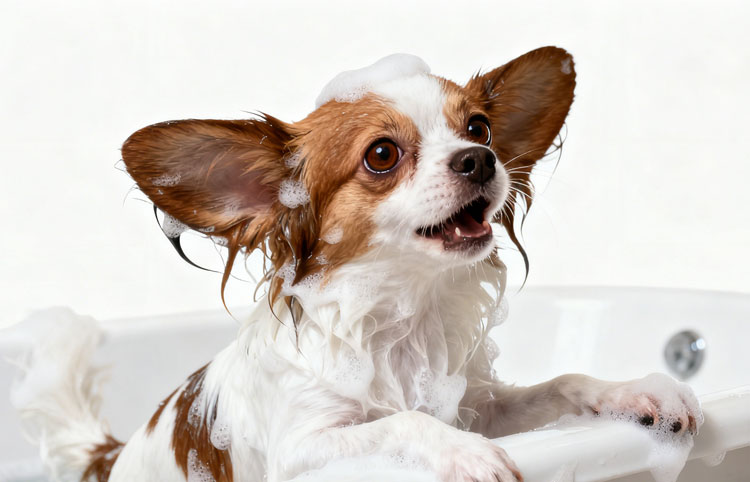
5. Bathing: Use diluted dog shampoo; bathe within 10 minutes to avoid chilling.
6. Drying: Use low heat and keep 15–20 cm distance while brushing to prevent skin disease.
7. Trimming: Remove obstructive hair around eyes, refine ear edges, trim paw hair to pad level, and keep core hair areas slightly long to highlight the papillon dog’s signature appearance.
VII. Training a Papillon Dog
1. Potty training: Guide to a fixed spot, give a command, reward immediately after success; do not scold accidents.
2. Sit command: Use food lure above the head until the dog sits naturally; gradually replace treats with gestures and voice commands.
3. Stopping jumping: Turn around and ignore jumping; reward calm behavior consistently.
4. Recall training: Begin in quiet environments, squat and call “come,” then gradually add distractions and distance.
VIII. Vaccination Schedule for a Papillon Dog
1. Puppies require four shots: bivalent, five-way, six-way, and rabies, with 15-day intervals, followed by yearly boosters.
2. Adult papillon dogs need three initial vaccines: five-way, six-way, then rabies, also with 15-day intervals, plus annual boosters.
3. Puppies over 50 days old may start vaccination. Imported six-way vaccines require three doses, 2–3 weeks apart; over 3 months old may take two consecutive doses.
IX. Common Health Issues in Papillon Dogs
1. Eye diseases: Cataracts, dry eye, and corneal ulcers due to prominent eyes.
2. Patellar luxation: Common from 4–6 months onward, leading to limping or long-term arthritis.
3. Heart diseases: Such as mitral valve regurgitation and dilated cardiomyopathy.
4. Periodontal disease: Caused by plaque buildup, leading to tooth loss and secondary organ infections.
5. Allergies: Food or skin allergies from ingredients, fleas, or pollen.
X. Lifespan of a Papillon Dog
The average lifespan of a papillon dog is 12–16 years, but with excellent care, many exceed 18 years, and some may live over 20 years.
XI. Price of a Papillon Dog
Pet quality: USD 190–360
Purebred pedigree: USD 360–790
Show quality: Starting from USD 790

-
Sale!
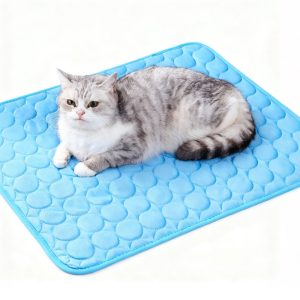
Washable Pet Cooling Pad for Cats and Dogs
Original price was: $10.99.$9.99Current price is: $9.99. This product has multiple variants. The options may be chosen on the product page -
Sale!

Washable Cat Window Hammock Cooling Bed
Original price was: $23.99.$22.99Current price is: $22.99. -
Sale!
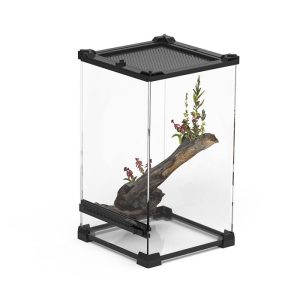
Tropical Amphibian Rainforest Tank, Lizard Cage
Original price was: $38.99.$36.99Current price is: $36.99. -
Sale!
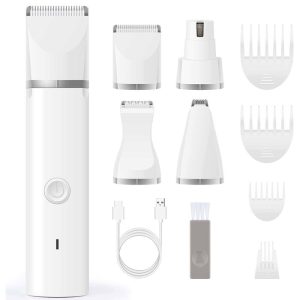
Silent 4-in-1 Waterproof Charging Dog Hair Trimmer
Original price was: $49.88.$47.99Current price is: $47.99.
