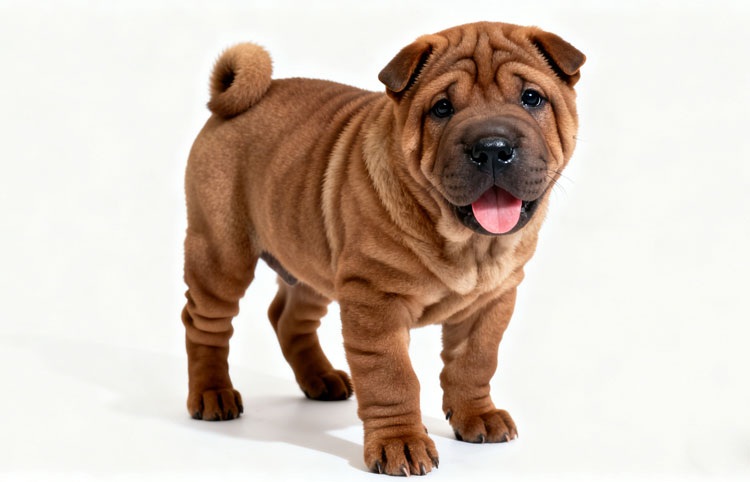
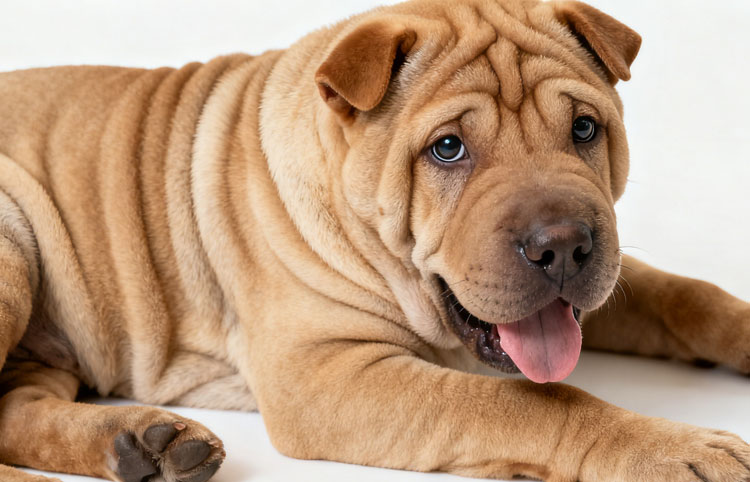
Shar Pei, originating from China and also known as the “Chinese Fighting Dog,” typically stands 46 to 56 centimeters tall and weighs around 22 to 27 kilograms. It is renowned for its loose, wrinkled skin covering its entire body and its melancholic “bitter melon face.” Naturally independent and calm, they are wary of strangers yet fiercely loyal to their family. With a medium build and quiet disposition, they rarely bark, embodying both a born guardian and a couch potato.
I. Advantages of the Shar Pei:
1. Superbly Loyal and Protective
Shar Peis possess innate territorial instincts and protective drive toward their owners. Their natural wariness toward strangers makes them practically born security guards—having one at home means little worry about burglars.
2. Clean and Virtually Non-Shedding
Their short coat combined with wrinkled skin results in minimal shedding and little body odor. Many owners remark they’re “cleaner than most short-haired breeds.”
3. Quiet and Rarely Barks
Shar Peis aren’t the type to bark indiscriminately. Unless something truly warrants it, they’re so quiet you might wonder if they’re mute. This makes them especially suitable for apartment dwellers.
4. Independent Nature with Moderate Affection
Unlike Golden Retrievers or Corgis, Shar Peis won’t cling to you 24/7. When they need space, they’ll find a spot to lie down on their own, leaving you undisturbed.
II. Shar Pei Drawbacks:
1. Prone to Skin Conditions
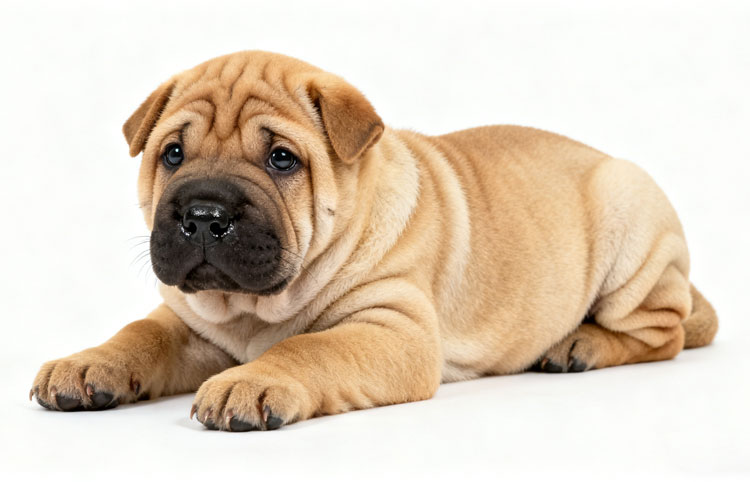
Those adorable folds are a breeding ground for bacteria and fungi. Neglecting regular washing, drying, and wiping leads to eczema and dermatitis in no time—with vet bills that can make you cry.
2. Stubborn to the Extreme
Shar Peis aren’t unintelligent, but they simply refuse to listen. Training them is as challenging as training a Siberian Husky, with many owners lamenting, “It doesn’t even recognize me as its owner.”
3. Prone to Eye Issues
Due to severe eyelid inversion, cherry eyes and ingrown eyelashes are extremely common in Shar Peis. Many dogs require lifelong eye drops, and severe cases may need multiple surgeries.
4. Heat Intolerance & Poor Temperature Regulation
Their abundant folds and short noses make them highly susceptible to heatstroke in summer and cold sensitivity in winter, essentially making them “air-conditioning-dependent dogs.”
5. Potential Aggression Requires Early Socialization
Shar Peis possess an extremely strong guarding instinct. Without proper socialization as puppies, they may develop aggressive tendencies toward other dogs and strangers as adults.
III. Selecting a Shar Pei
1. Prioritize Temperament
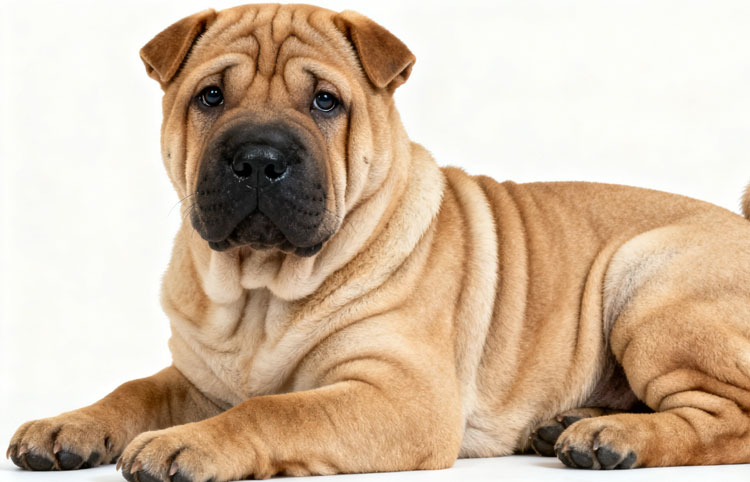
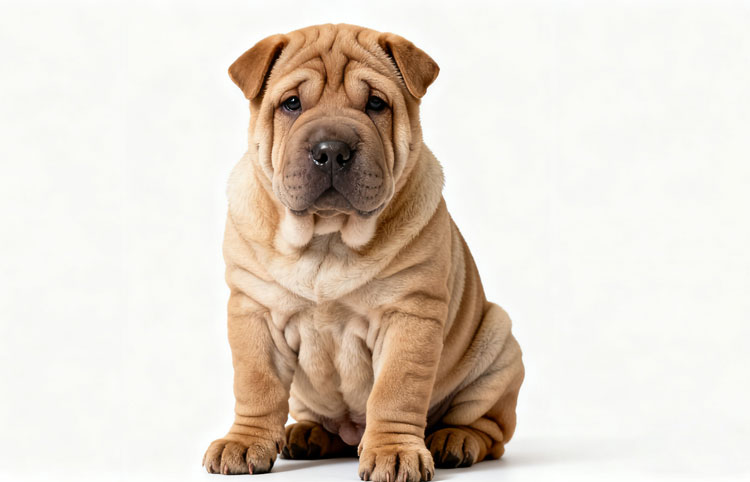
A quality Shar Pei first gives the impression of being “square, wrinkled, and goofy.” The body should be square-shaped, with loose skin that doesn’t droop like a Bulldog’s. When standing, the back should be level, the loin short, and the rear high, resembling a miniature tank. Excessively tight or sparse skin often indicates mixed breeding.
2. Head and Facial Features
The muzzle should be broad and thick, resembling a hippopotamus’s, not pointed. Eyes should be small and deep-set, largely obscured by wrinkles, with a melancholic gaze being authentic. Ears should be small and triangular, lying flat against the head—avoid large, erect ears. The tongue must be blue-black or covered in spots; a pink tongue is an immediate disqualifier.
3. Body Structure
The ideal weight is 10-12 jin (40-48 lbs) for adult females and 15-18 jin (63-84 lbs) for males. Larger dogs risk skeletal issues, while smaller ones are likely heavily mixed breeds. Legs should be short and thick, with knees not bowing outward. Front legs are straight, hind legs are cow-hocked.
4. Skin Health
Shar Pei puppies should have as many wrinkles as possible, but these must be clean—free of red spots or hair loss. Skin should feel thick yet elastic, like thick sponge. No sour or oily odors should be present. Eyelids ideally show signs of surgery (tucked back).
5. Temperament
Authentic Shar Peis are naturally aloof and protective, wary of strangers but not prone to excessive barking. When picked up, they may struggle slightly but won’t yelp. Placed on the ground, they should walk confidently without clinging to your legs or trembling. Excessively clingy or hyperactive puppies often carry Labrador or mixed-breed genes.
6. Sourcing
Prioritize established kennels or reputable breeders who allow viewing of the parents. If the parents exhibit loose skin and stable temperaments, the puppies are unlikely to deviate significantly. Street pet shops and Sunday dog markets are 99% Sunday dogs—don’t be swayed by sympathy.
IV. Shar Pei Care
1. Skin Care is Paramount
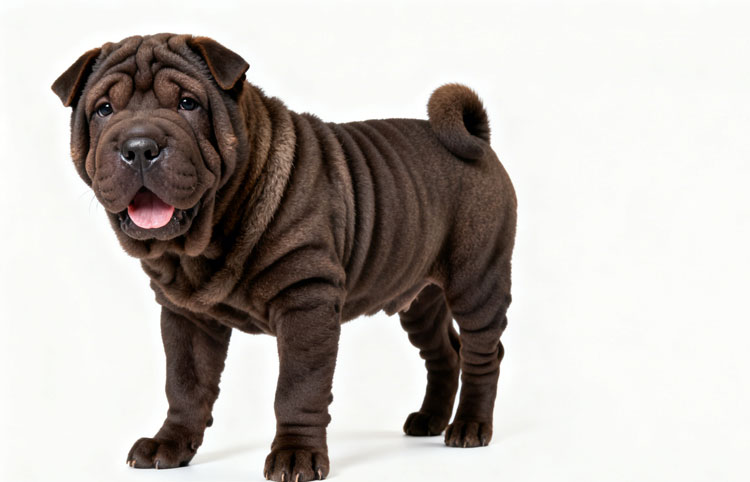
Shar Pei wrinkles easily trap dirt, cause inflammation, and harbor mites—nearly every Shar Pei faces skin issues. Bathe thoroughly at least once a week using hypoallergenic or medicated shampoo. After bathing, ensure all folds are completely dried—especially around the face, neck, and base of the tail. Use a hairdryer on cool setting and press with a towel to remove all moisture. Daily wipe the folds around the eyes and nose with saline solution or specialized eye drops to prevent cherry eye and entropion. During humid weather or when your dog sweats heavily, dust the folds lightly with baby powder or a veterinarian-prescribed antibacterial powder to keep them dry.
2. Diet: Avoid Overfeeding
Shar Peis are extremely prone to weight gain. Excess weight deepens their folds and exacerbates skin conditions. Feed adult dogs twice daily, aiming to maintain their weight between 18-25kg. Use hypoallergenic food for medium-large breeds or fresh meals. Many Shar Peis are allergic to chicken, beef, or grains, so opt for fish-based or single-protein formulas. Limit treats to under 10% of daily caloric intake.
3. Exercise Needs Are Actually Low
They’re “couch potato-type fighting dogs.” A 30-40 minute daily walk suffices; intense exercise risks heatstroke. Avoid midday walks in summer. Dress them in winter as they are sensitive to cold.
4. Temperament and Socialization
Shar Peis are naturally wary of strangers but fiercely loyal to their family. Extensive socialization during puppyhood is crucial to prevent excessive protectiveness later. Train with firm but calm tones—they appear stubborn yet are highly sensitive.
5. Early Screening for Common Genetic Conditions
Hip and elbow dysplasia, thyroid issues, and eyelid problems are prevalent. When purchasing a puppy, choose one whose parents have undergone OFA/PennHIP screening. Have your own dog’s hips X-rayed around age one for early detection and intervention.
V. Shar Pei Grooming Methods
1. Wrinkle Cleaning
Shar Pei skin is extremely sensitive, and moisture in the folds can easily breed bacteria. Daily, gently wipe all wrinkled areas—including the face, neck, and base of the tail—with a soft, unscented damp cloth or cotton pad soaked in lukewarm water. This is especially crucial after meals and upon returning from walks. Always thoroughly dry the skin afterward using a dry towel or a low-heat hair dryer! Not a single drop of moisture should remain, or the area may become red, swollen, and foul-smelling by the next day. Many Shar Pei skin conditions stem from neglecting this step.
2. Brushing
Brush 2-3 times weekly, daily during shedding season. Shar Pei coats are short and coarse, like sandpaper, so daily brushing isn’t needed. Use a soft-bristle brush or rubber glove, gently brushing with the grain to remove dead hair and dust while stimulating sebum production for a shinier coat. Daily brushing during shedding season prevents hair from flying everywhere.
3. Bathing
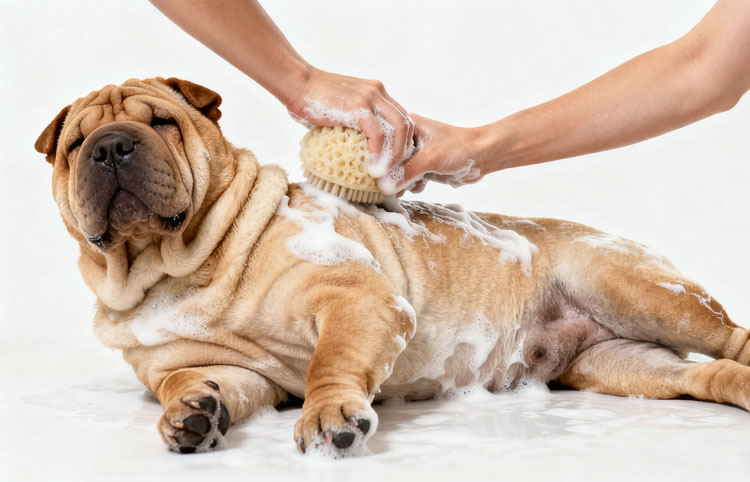
Shar Peis are naturally clean, and bathing them too often can strip their skin’s natural protective layer. A bath every 4-8 weeks is sufficient, or bathe them only when they get dirty or start to smell. Use hypoallergenic, fragrance-free shampoo designed for dogs with sensitive skin—never use human shampoo! When bathing, gently pull open the folds to rinse thoroughly. After rinsing, blow-dry them, paying special attention to the folds. During hot summer months, bathing can be slightly more frequent, but never exceed once per week.
4. Other Details
Nail Trimming: 1-2 times per month. Overgrown nails can split or cause self-injury.
Ear Checking: Small ears are prone to wax buildup. Inspect weekly and clean with dog-specific ear solution.
Eyes: Shar Peis have a high risk of entropion (inward-turning eyelids). Gently wipe away any eye discharge. Seek immediate veterinary care if redness or swelling is observed.
VI. Training Methods for Shar Pei Dogs
1. 0-4 Months: Building Trust
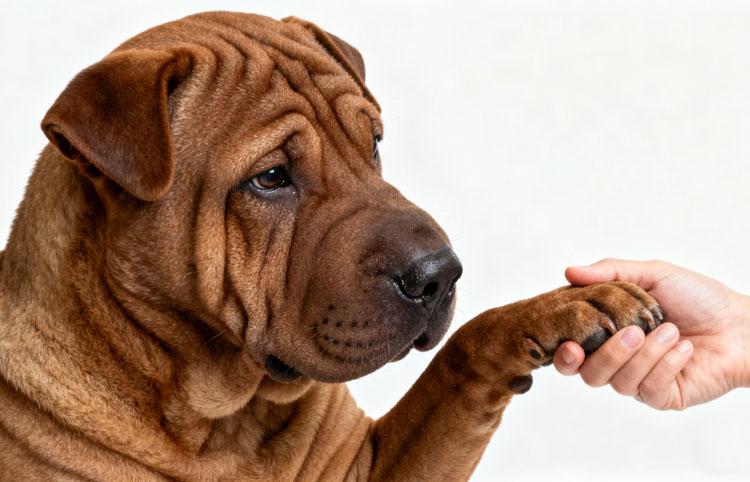
During this stage, avoid rushing into complex commands. First, make the puppy feel that “you are the safest person in the world to rely on.” Hold them often, gently stroke their wrinkles, and reward generously—use treats paired with enthusiastic praise. For potty training, use pee pads and enzyme cleaners to completely eliminate odors; shower them with praise for success. Never yell or hit them—Shar Peis hold grudges, and one instance of violence could destroy all future trust.
2. 4-8 Months: Socialization Training
Shar Peis are naturally wary of strangers. During this period, take them out constantly to meet people and dogs. Expose them to over 10 strangers daily, plus various dogs, bicycles, strollers… Reward every encounter with their favorite treats, embedding “strangers = tasty treats” into their DNA. Otherwise, they may bristle or even bite strangers as adults.
3. Basic Obedience
Shar Peis often turn their noses up at regular dog food or treats. For training, prepare foods they go crazy for: boiled chicken breast, liver jerky, cheese. When teaching “Sit,” “Stay,” and “Come,” use the “Lure + Mark + Reward” method: Lure them into the correct position with food → Instantly say “YES!” → Immediately give the reward. If you don’t reward within 5 seconds, the Shar Pei will think you’re unreliable and ignore you next time. Don’t use forceful methods like pressing down on its hips or yanking the leash—it will resist you.
4. Leash Pulling Prevention
Recommended method: “Stop-Walk Technique” + front-clip chest harness: The moment it pulls, you immediately stop and stand still like a lamppost; as soon as the leash slackens, start walking forward + praise. Consistently practice for 2 weeks to eliminate pulling. Never use a standard collar—Shar Peis have soft, collapsible tracheas.
5. Alone Time Training
Start early with short crate sessions or room confinement: 1 minute → 5 minutes → 30 minutes, with favorite toys nearby. Never give in—if you release them upon whining, they’ll cry until you cave.
6. Adult Focus: Maintaining Guarding Boundaries
Food and territory guarding are natural Shar Pei traits, but they must learn to “release on command.” Use the “exchange method”: take the food while offering something of higher value. Repeat until they understand “what I take away gets replaced with something better.”
VII. Foods Shar Peis Must Avoid
1. Chocolate and Caffeine
Even a small piece of dark chocolate can be fatal for medium-sized dogs like Shar Peis. Symptoms appear rapidly: vomiting, rapid heartbeat, convulsions. Severe cases can be fatal within 24 hours.
2. Grapes and Raisins
As few as 4-5 grapes can cause acute kidney failure! Many owners are unaware of this danger—keep raisin-studded toast, mooncake fillings, and raisin bread well out of reach.
3. Onions, Leeks, Garlic, Chives
All allium vegetables destroy red blood cells, causing hemolytic anemia. Shar Peis are prone to skin conditions; anemia only compounds their struggles.
4. Xylitol
Even a tiny amount causes blood sugar crashes and liver failure, leading to coma within minutes. Shar Peis are greedy—never let them lick a dropped piece of candy!
5. High-fat foods
Shar Peis are highly prone to pancreatitis. One greasy meal of grilled skewers or fried chicken can trigger acute attacks that same day, leaving them writhing in pain.
6. Avocado
Contains persin—the entire plant is toxic. Overconsumption causes heart failure and edema.
7. Nuts
Macadamia nuts are highly toxic, causing hind leg weakness, tremors, and high fever. Affected Shar Peis often become unable to stand.
8. Raw Yeast Dough
Ferments and expands in the stomach while producing alcohol, leading to gastric dilatation-volvulus (GDV) and alcohol poisoning.
9. Bones
Cooked bones can splinter into sharp fragments that perforate the intestines. Raw bones are relatively safer, but Shar Peis have less robust teeth and may suffer tooth damage or constipation.
10. Milk and Dairy Products
Like many dogs, most Shar Peis are lactose intolerant, leading to severe diarrhea and exhaustion.
VIII. Common Health Issues in Shar Peis
1. Skin Conditions
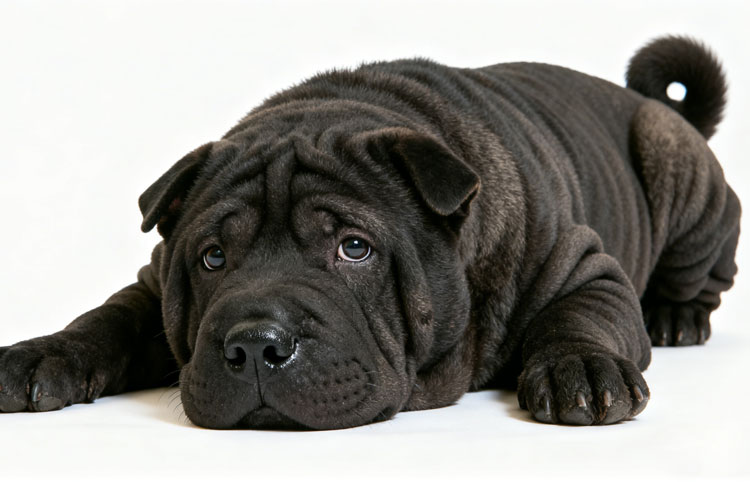
The most common ailment in Shar Peis is skin issues: eczema, bacterial/fungal infections, demodicosis, and even severe “familial Shar Pei fever.” The folds are hot and humid; if not dried properly or bathed regularly, they easily become inflamed, cause hair loss, and develop a foul odor. The deep folds on the face, neck, and armpits are particularly prone to problems. Many Shar Peis spend their entire lives under the care of dermatologists.
2. Eye Problems
Due to their large heads, thick eyelids, and numerous folds, over 80% of Shar Peis suffer from varying degrees of entropion. This causes eyelashes to constantly rub against the cornea, leading to symptoms ranging from tearing and squinting to corneal ulcers and even blindness. Many puppies require “eyelid correction surgery” between 4-6 months of age, with some needing a second procedure.
3. Joint and Skeletal Issues
Hip dysplasia, elbow dysplasia, cruciate ligament rupture, and patellar luxation are not uncommon in Shar Peis. Their short hind legs and heavy bodies make them walk like little tanks, placing significant stress on their joints. Combined with genetic predispositions, medium to large Shar Peis often develop lameness in middle age or later.
4. Shar Pei Fever
This is a unique “genetic gift” exclusive to Shar Peis. It manifests as sudden, recurring high fevers (39.5-42°C/103.3-105.2°F) and swollen joints, leaving the dog listless during episodes. Prolonged, repeated attacks lead to renal amyloidosis and eventual kidney failure. This is the Shar Pei’s deadliest hidden killer, claiming many dogs before age 10.
5. Vulnerable Ears
Their narrow ear canals and numerous folds make them prone to otitis media and otitis externa. When inflamed, they shake their heads vigorously and scratch their ears, often emitting a strong odor.
IX. Shar Pei Pricing
As a relatively rare breed, Shar Peis command significantly higher prices. A standard companion-grade puppy from a reputable breeder typically costs between $800 and $1,800. For show-quality dogs with AKC pedigree papers and comprehensive health screenings, prices commonly range from $1,500 to $3,000 or higher. Adoption from rescue organizations is far more economical, often costing only $50 to $500 and typically including spaying/neutering and vaccinations.
X. Shar Pei Lifespan
Shar Peis typically live 8-12 years. The original type with fewer wrinkles often reaches 11-14 years, with some lucky individuals making it to 15. However, the common Western “puffy-mouthed” type (with excessive wrinkles) suffers from health issues due to over-selective breeding, resulting in an actual average lifespan of only 9-11 years. Some studies even indicate as low as 7-10 years.

-
Sale!
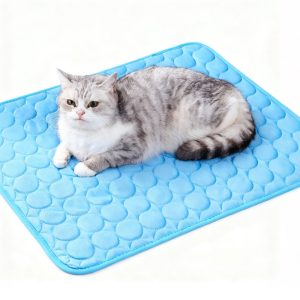
Washable Pet Cooling Pad for Cats and Dogs
Original price was: $10.99.$9.99Current price is: $9.99. This product has multiple variants. The options may be chosen on the product page -
Sale!
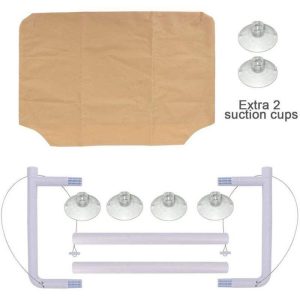
Washable Cat Window Hammock Cooling Bed
Original price was: $23.99.$22.99Current price is: $22.99. -
Sale!
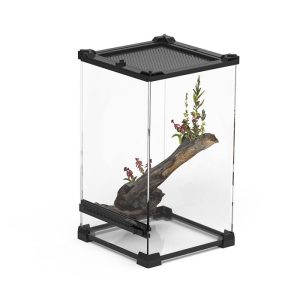
Tropical Amphibian Rainforest Tank, Lizard Cage
Original price was: $38.99.$36.99Current price is: $36.99. -
Sale!
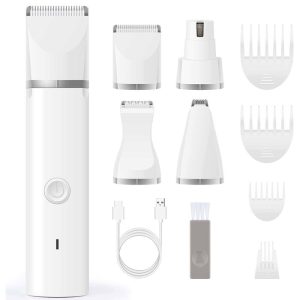
Silent 4-in-1 Waterproof Charging Dog Hair Trimmer
Original price was: $49.88.$47.99Current price is: $47.99.
