
The Shih Tzu, commonly known as the “Lion Dog,” also has an adorable nickname—“Chrysanthemum Dog”—because its face resembles a blooming chrysanthemum, with a fluffy coat that’s particularly endearing. This breed originated in China, but its lineage can be traced back to Tibet. As early as the 17th century, Tibetan monasteries kept these little companions primarily as watchdogs. Legend has it that Manjushri Bodhisattva was always accompanied by a small dog that could transform into a lion. The Shih Tzu’s appearance bears a striking resemblance to the Tibetan Lhasa Apso—both boast thick coats and noble demeanors, clearly evoking the image of a “lion.” This connection earned them the majestic name “Lion Dog.”
I. Advantages of the Shih Tzu
1. Adorable
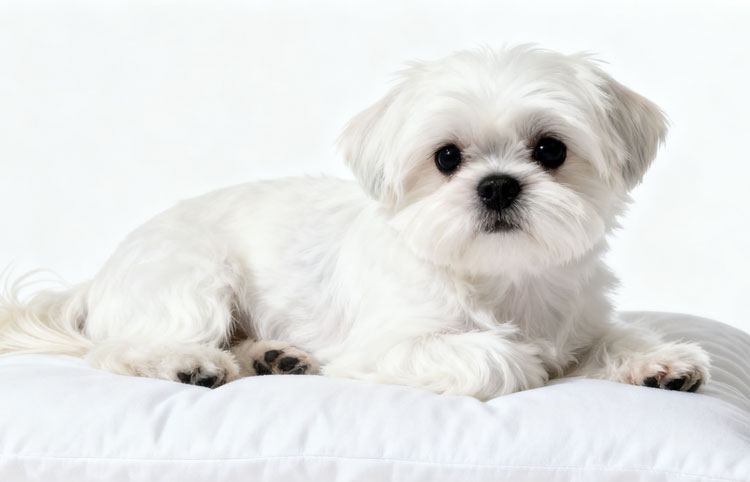
With big eyes, a flat nose, and flowing fur, the Shih Tzu is the epitome of cuteness. Every snapshot becomes meme-worthy, melting hearts across the family.
2. Gentle Temperament
The Shih Tzu is a super companion, loving to curl up on your lap, sofa, or bed. Extremely affectionate toward people, it suits both seniors and children, showing virtually no aggression.
3. Compact Size
Adult Shih Tzus weigh only 47 pounds, making them effortless to hold. They fit perfectly in small urban apartments and can even be carried in a bag when out and about.
4. Minimal Shedding
Despite their long coats, Shih Tzus have a double-layered fur that sheds far less than Golden Retrievers or Labradors, making them relatively allergy-friendly.
5. Long Lifespan
With an average lifespan of 12-16 years, and potentially up to 18 years with proper care, they offer exceptionally long companionship, forming bonds so deep they’ll make you cry.

II. Drawbacks of Shih Tzus:
1. High Grooming Demands
Their long coats are prone to matting; without daily brushing, they develop dreadlocks. They overheat in summer, requiring regular trims and baths—a time-consuming and costly commitment.
2. Respiratory Issues
Their short snouts make them prone to heatstroke, snoring, and excessive tearing in summer. Heavy eye discharge may make you think they’re crying, and severe cases can lead to tracheal collapse.
3. Stubbornness
While not unintelligent, Shih Tzus often adopt a “I know what you’re doing, but I refuse to listen” attitude. House training requires immense patience.
4. Fragile Health
Shih Tzus are prone to issues with their eyes, teeth, knees, and spinal discs. Annual grooming and healthcare alone can cost thousands, and surgeries are even more painful on the wallet.
5. Low Exercise Tolerance
They find even a 10-minute walk exhausting. Eat a little too much, move a little, and they turn into a ball—losing weight is harder than for humans.
III. Shih Tzu Care Methods
1. Coat Care
The Shih Tzu’s signature feature is its long, silky coat—neglecting grooming is asking for trouble! Brush daily using a pin brush and comb for long-haired varieties. Spray conditioner first to detangle, then brush against the grain from bottom to top to avoid pulling. Bathe weekly with pet-specific shampoo. Use low heat and a smoothing brush when blow-drying, stopping when fur is 80-90% dry to prevent colds. For low-maintenance care, trim into a “Teddy Bear/Poodle Cut”—instantly 90% easier to manage.
2. Eyes and Tear Stains
Shih Tzus have short faces and large eyes, naturally prone to heavy tear production and staining. Gently wipe the corners daily with warm water or pet-specific eye solution. For severe cases, feed food containing taurine or use tear stain powder. Avoid tight topknots, as they can press on the eyes and worsen staining.
3. Dietary Guidelines
Choose high-quality dog food and feed 2-3 measured meals daily. Resist giving extra treats when they beg—otherwise, they’ll easily go from 22 lbs to 33 lbs. Limit treats to under 10% of daily calories. Chicken jerky and chew sticks are acceptable, but never give human food—especially salty or sweet items!
4. Exercise
A 20-30 minute daily walk suffices. Tossing a ball or playing with a cat teaser for 15 minutes at home also burns energy. Avoid excessive carrying—it breeds laziness, turning your dog into a couch potato who only grunts on the sofa.
5. Precautions
Prone to respiratory issues—avoid direct sunlight in summer and don’t let AC blow directly on them. Patellar luxation is common genetically; seek immediate vet care if they suddenly limp. Teeth accumulate tartar easily—recommend annual dental cleanings after age 3. Ensure regular vaccinations, deworming, and spaying/neutering.
IV. Selecting a Shih Tzu
1. Inspect the parents before the puppies
Always examine the Shih Tzu’s parents! If the parents are unattractive or have odd personalities, the puppies likely won’t be much better. In-person inspection is best—parents with thick coats, clear eyes, and lively, confident temperaments are generally reliable. Also ask the breeder for documentation of genetic conditions like eye diseases or patellar luxation.
2. Avoid puppies that are too young
Puppies under 45 days old may seem adorable but often carry health risks. Many unscrupulous breeders exploit this by selling “teacup” or “miniature” puppies as deceptive marketing tactics.
3. Coat density and bone structure matter
Smaller isn’t better for Shih Tzus. The ideal adult size is 68cm for males and 57cm for females. When handling a puppy, check for thick legs, a sturdy frame, and dense fur—these traits ensure a lush, beautiful coat as an adult. Sparse fur? That puppy is basically a write-off.
4. Choose the right face shape
Extreme apple-shaped heads → Prone to respiratory issues and tear staining.
Moderately rounded face → Healthiest and most enduringly attractive.
Avoid dogs with overly recessed noses unless you don’t mind wiping tears daily and risking tracheal collapse.
5. Eyes and Teeth Must Be Checked
Eyes should be dark and bright, free of excessive discharge and entropion. Bite should be scissor or pincer; an undershot bite looks unattractive and promotes tartar buildup.
6. Temperament matters more than looks
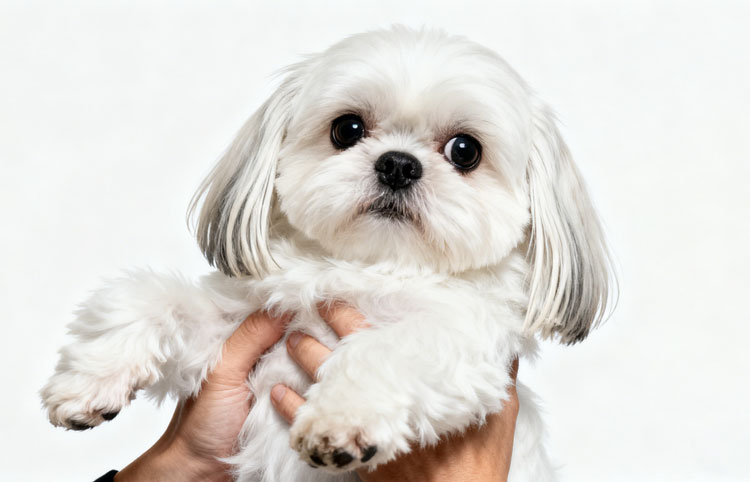
A good Shih Tzu is bold and curious, approaching you willingly and letting you pick them up. Those constantly hiding and trembling likely had poor early training or health issues.
7. Essential health trio
Vaccination records, deworming history, and ideally a health certificate. Without these, it’s almost certainly a puppy from an unregistered breeder.
V. Shih Tzu Training Methods
1. Potty Training
Take Shih Tzu puppies to the same spot every 2 hours for elimination. Use the cue “Go potty!” and reward immediately with high-value treats upon success. If they urinate, wipe clean and spray deodorizer to erase scent memory. Adults typically go every 3-4 hours; handling before bedtime suffices.
2. Socialization
After the second round of vaccinations, immediately expose them to people, other dogs, traffic sounds, and elevators. Introduce 3-5 new people or environments daily. Offer treats if fearful; avoid forced handling—let them approach voluntarily. Missing this window may lead to stranger anxiety and excessive barking later.
3. Basic Obedience
Shih Tzus learn quickly but tend to negotiate. During training, dangle treats near their nose for guidance—never force their rear end down. Practice 3-5 minutes at a time, multiple sessions daily. After mastering “Sit,” require sitting before all positive reinforcement. They’ll grasp this rule within 3 days.
4. Home Alone Training
Shih Tzus are extremely clingy and prone to separation anxiety. Start by confining them in a crate for 10 seconds, then release and reward. Gradually increase to 4 hours. Place scent pads, lick mats, and frozen treats inside to redirect attention. Avoid releasing them immediately upon whining, as this reinforces the behavior.
5. Leash Walking Without Mess
Teach “Stay” and loose-leash walking. Practice indoors first: step on the leash to halt forward movement. When the dog looks back at you, mark “Good!” and reward. Transition to a 16-meter leash outdoors. 90% of Shih Tzus master civilized walks within two weeks.
6. Preventing Hand/Pants Biting
Teething dogs love to bite. If it hurts, shriek sharply “Ow!” then immediately turn away and ignore them for 30 seconds. Provide plenty of chew toys. Praise wildly when they bite toys, but give them the cold shoulder when they bite you.
7. Grooming Cooperation
Daily ear, paw, and mouth checks—reward cooperation with treats. Make blow-drying and brushing a game from puppyhood, so nail trims and baths won’t be a struggle later.
VI. Shih Tzu Grooming Guide
1. Bathing Schedule
Bathe weekly, or every five days during hot summer months. Always detangle the entire coat before bathing; otherwise, knots will worsen during washing. The process is straightforward: thoroughly wet the coat, lather with diluted dog shampoo starting from the neck backward, paying extra attention to paws, rear, and belly. Rinse thoroughly, apply conditioner, and let it sit for three to five minutes before rinsing again. Gently press with an absorbent towel to remove excess water. Finish by using a hairdryer on the cool setting, combing through the coat while drying. Never use hot air close to the skin.
2. Daily Brushing
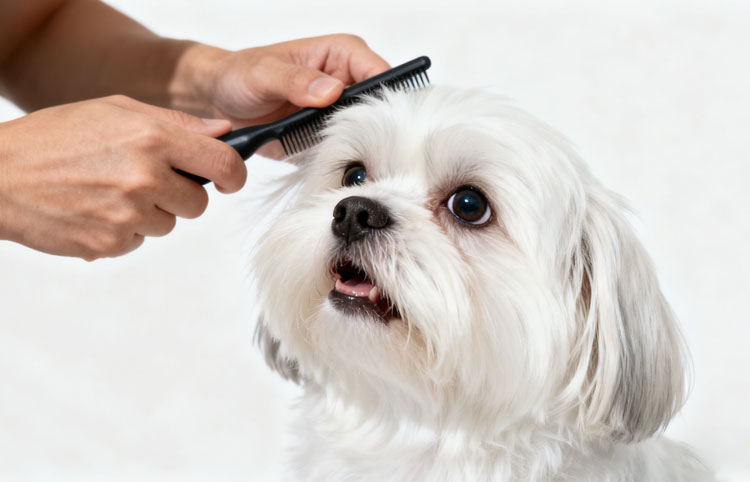
Three essential tools: double-row steel comb, pin brush, and detangling spray. Start at the feet and work upward in layers. Areas prone to matting include the inner legs, armpits, and groin. When encountering a small knot, spray detangling spray first, gently separate it with your fingers, then use the tip of a fine-tooth comb to carefully lift it out—never pull forcefully. Daily consistency prevents large knots from forming.
3. DIY Trimming
Use rounded safety scissors on the face to trim hair obscuring the eyes, shaping a rounded head with two small tufts at the corners of the mouth resembling bow ties. Ears can be trimmed close to the base or left longer and tied into small braids. Body hair should be trimmed into a Teddy cut in summer for coolness and easy maintenance; in winter, leave it longer but layer and thin it out. Hair on the soles must be completely removed, and the edges of the feet should be trimmed into a rounded shape like little boots. The area around the rear must be kept clean to prevent soiling.
4. Daily Facial Care
Gently wipe tear stains daily with dog-specific eye drops or cool boiled water. For severe cases, add Angel Eye Powder. Weekly ear cleaning: apply ear solution, massage, let the dog shake, then gently wipe with a cotton swab (avoid deep insertion). Brush teeth 2-3 times weekly with dog toothpaste or provide dental chews.
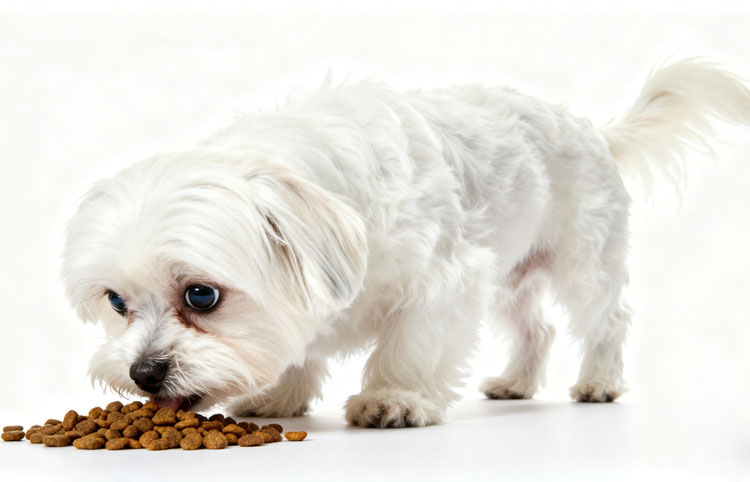
VII. Foods Shih Tzus Must Avoid
1. Chocolate and Caffeine
Containing theobromine and caffeine, even small amounts can cause rapid heartbeat, seizures, or fatal poisoning in Shih Tzus. Dark chocolate is more toxic than milk chocolate; avoid anything containing cocoa powder, including cakes.
2. Grapes and Raisins
Even a few can trigger acute kidney failure. Some dogs tolerate them, while others die after just two. Since no safe dose exists, avoid them entirely.
3. Onions, Garlic, Leeks
Destroy red blood cells, causing hemolytic anemia. Raw, cooked, or powdered forms are dangerous. Symptoms may appear 1-2 days later—immediate vet care is needed if diarrhea or coffee-colored urine occurs.
4. Avocado
Contains persin, a toxin present throughout the plant. Ingestion can cause heart failure and fluid buildup in the chest cavity.
5. Xylitol
Found in sugar-free gum, some peanut butters, and toothpaste! Shih Tzus ingesting it experience a rapid insulin spike followed by a sudden drop in blood sugar, potentially leading to shock within half an hour.
6. Alcohol, Beer, Liquor-Filled Chocolates
Even small amounts cause intoxication, vomiting, breathing difficulties, and coma.
7. High-Fat Foods
Fatty meats, fried chicken, pork rinds, and cream cakes easily trigger pancreatitis. Shih Tzus are especially prone, writhing in pain when it strikes.
8. Bones and sharp objects
Cooked bones can splinter into sharp shards that perforate intestines; raw bones are relatively safer, but Shih Tzus’ small mouths make them prone to choking or chipping teeth.
9. Nuts
Macadamia nuts are highly toxic, causing hind limb weakness, tremors, and fever. Peanut butter is acceptable in small amounts if xylitol-free; avoid other nuts.
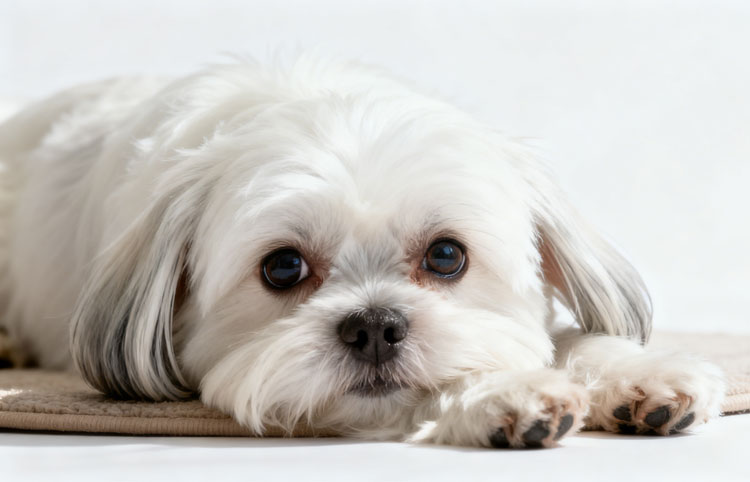
VIII. Common Health Issues in Shih Tzus
1. Breathing Difficulties
The Shih Tzu’s short nose and elongated soft palate are inherent physical limitations. Even mild summer heat can cause labored breathing like a bellows, with severe cases leading to oxygen deprivation and fainting. Avoid midday walks, keep the home air-conditioned year-round, and limit strenuous exercise—these are vital for their well-being.
2. Eye Issues
Their large, protruding eyes make them prone to corneal scratches, dry eye syndrome, ingrown eyelashes, and cherry eye. Gently wipe the corners of their eyes daily with a clean, damp cotton pad. If you notice squinting, excessive tearing, or eye rubbing, seek immediate veterinary care. Keep any bangs trimmed short to prevent corneal damage.
3. Teeth and Oral Health
After age 3, most develop bad breath, tartar buildup, and gum inflammation. Daily or at least alternate-day brushing is essential—neglecting this will lead to early tooth loss and difficulty eating.
4. Knee Dislocation
Sudden limping or rabbit-like hopping in hind legs often indicates patellar luxation. Maintaining a lean body is crucial; excess weight increases knee pressure and dislocation risk. Mild cases may be monitored, but frequent dislocations require surgical stabilization.
5. Skin and Ears
Shih Tzus have long, curly coats. Without trimming hair on the belly, armpits, and between toes, skin becomes trapped, leading to redness and inflammation. Floppy ears trap moisture—weekly cleaning and ear wax removal are essential. Inflammation causes excessive head shaking and painful whining.
6. Lumbar Spine and Kidneys
Aging Shih Tzus are prone to intervertebral disc herniation. Sudden yelping or dragging hind legs requires immediate veterinary attention. Some bloodlines carry hereditary kidney disease; pale urine and excessive thirst warrant early screening.

IX. Shih Tzu Pricing
Standard pet-quality Shih Tzus from reputable breeders typically cost $800 to $2,000. Show-quality puppies with purebred lineage from champion parents can easily exceed $3,000, sometimes reaching $5,000. Adult dogs or puppies from animal shelters or specialized rescue organizations may be adopted for $100 to $500.
X. Shih Tzu Lifespan
Under normal circumstances, healthy Shih Tzus have an average lifespan of 12 to 16 years. Many easily live past 15 years, and numerous “senior citizens” surpass 18 years—even reaching 20 years is not unheard of. The oldest recorded Shih Tzu abroad lived to 23 years, making it a true canine legend.

-
Sale!
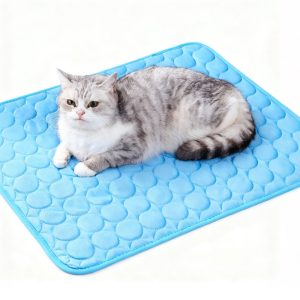
Washable Pet Cooling Pad for Cats and Dogs
Original price was: $10.99.$9.99Current price is: $9.99. This product has multiple variants. The options may be chosen on the product page -
Sale!
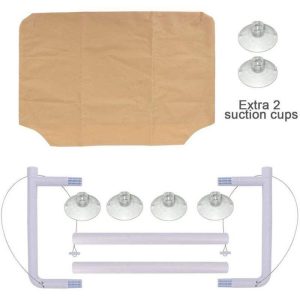
Washable Cat Window Hammock Cooling Bed
Original price was: $23.99.$22.99Current price is: $22.99. -
Sale!
Tropical Amphibian Rainforest Tank, Lizard Cage
Original price was: $38.99.$36.99Current price is: $36.99. -
Sale!

Silent 4-in-1 Waterproof Charging Dog Hair Trimmer
Original price was: $49.88.$47.99Current price is: $47.99.
