
Golden Retrievers, also known as Golden Labradors, were originally hunters’ companions before becoming exceptional guide dogs and outstanding family pets. Originating in 19th-century Scotland, Golden Retrievers are cherished for their elegant stature and gentle temperament. Today, they have entered countless homes, winning hearts with their loyalty and friendliness to become warm companions in everyday life.
I. Advantages of Golden Retrievers
1. Golden Retrievers are exceptionally friendly toward humans: They exhibit almost zero aggression, readily befriending strangers, children, and the elderly alike, and never bite without provocation.
2. Golden Retrievers demonstrate remarkable patience with children: They tolerate being ridden, having their ears tugged, or having their food snatched without anger, earning them the reputation as the “childcare dog.”
3. Exceptional intelligence: Ranked 4th in canine IQ, they learn commands rapidly—mastering new tricks in just 10 minutes.
4. Exceptional obedience: Naturally eager to please owners, they serve as the primary breed for guide dogs.
5. Gentle and affectionate nature: They remain as playful and cuddly as a puppy throughout their lives, offering unparalleled emotional comfort.
6. Golden Retrievers are stunningly beautiful with a regal presence: Their natural “smiling face” always looks great in photos, making them a source of pride when taken out.
7. Golden Retrievers have a relatively long lifespan: Averaging 12-15 years, they live longer than most medium to large breeds.

II. Drawbacks of Golden Retrievers
1. Golden Retrievers shed excessively: They shed year-round, becoming nearly bald during seasonal changes. Your home will be perpetually covered in fur, requiring daily vacuuming.
2. Overwhelming energy levels: A destructive force before age 2. Requires 1.5-2 hours of daily exercise; otherwise, they’ll chew furniture, dig holes, or bark incessantly.
3. High cancer incidence: U.S. data shows 60% develop cancer in their lifetime, with late-stage treatment potentially costing tens of thousands of dollars.
4. Hip and elbow dysplasia are common: Particularly prevalent in cheap backyard breeding, potentially causing lameness with surgery costs ranging from $7,000 to $14,000.
5. Golden Retrievers are extremely food-motivated and prone to obesity: Without dietary control, they can gain 10 pounds in just two to three months, and obesity further exacerbates joint issues.
6. Golden Retrievers dislike heat and loneliness: They are prone to heatstroke in southern summers and may develop separation anxiety when left alone for extended periods, leading to excessive barking or furniture destruction.

III. Golden Retriever Care
1. Puppy Stage
The 2-4 month period is the Golden Retriever’s fear phase and critical socialization window. Expose them to people, other dogs, and various sound environments to prevent shyness or timidity in adulthood. Strictly enforce the “no free lunch” principle: Meals, outings, and toy play must all follow commands. Teaching them rules takes just 10 seconds.
2. Diet
Feed Golden Retriever puppies premium puppy food, divided into 4-5 meals daily. Gradually reduce to 2 meals after 8 months. Supplement with calcium + fish oil before 12 months to prevent lameness from calcium deficiency. Maintain adult weight between 30-35kg. The healthiest condition is when ribs are just palpable but not visible.
3. Exercise: As medium-large working dogs, Golden Retrievers will destroy your home if bored.
Provide at least 1 hour of brisk walking/running daily + 30 minutes of mental stimulation. If they can swim, take them swimming weekly for optimal joint health.
4. Coat Care
Use a wide-tooth steel comb + slicker brush. Work from the undercoat upwards against the grain to loosen underfur. Trim mats instead of pulling them out. Normally, bathing once a month is sufficient. Use deodorizing shampoo. Blow-drying is better than air-drying to prevent skin issues.
5. Health Red Lines
Hip and elbow dysplasia are genetic conditions. Always check the parents’ HD/ED scores when purchasing a puppy. Administer three vaccines at 8, 12, and 16 weeks plus rabies, followed by annual boosters. Ears are prone to infection—inspect and clean weekly. If you detect an acidic odor, immediately clean with ear solution.

IV. Selecting a Golden Retriever
1. Evaluate the Parents
Always meet the Golden Retriever parents! If the parents are gentle and non-aggressive, the offspring will likely inherit these traits. Also inspect the parents’ OFA/PennHIP hip and elbow certification and CERF eye exam results—reputable breeders will provide these. Reject any without documentation to avoid spending thousands on hip dysplasia treatment later.
2. Choose the Right Age
The safest age to adopt is 8-12 weeks. Puppies too young may develop socialization issues, becoming fearful of people or loud noises as adults. Many unscrupulous breeders sell puppies at 5-6 weeks just to rush the next litter—don’t be swayed by their tactics.
3. Temperament Testing
Pick them up, flip them over, and rub their belly. If they struggle for a few seconds then relax → gentle disposition. Toss a keyring on the floor—if they approach to sniff without fear → bold. Clap your hands and call them—if they come running with a wagging tail → super affectionate. Golden Retrievers are meant to be “silly and loving toward everyone.” Exercise caution with puppies that are shy, prone to biting, or unusually quiet.
4. Physical Details
Eyes: Clear and tear-free. Excessive eye discharge likely indicates tear duct issues.
Coat Color: Extremely light or dark coats often indicate mixed breeding.
Bone Structure: At 2-3 months, a healthy Golden should have thick legs and a broad chest. Thin legs and a narrow chest indicate a 99% chance of stunted growth.
Tail: Thick and held low, wagging like an electric motor.
5. Observe Eating, Drinking, and Elimination
Stools must be firm banana-shaped logs. Loose stools, blood, or foul odor typically indicate parvovirus or coccidiosis. They should eat voraciously; picky eaters often have underlying health issues.

V. Golden Retriever Training Methods
1. Socialization Period
The golden window is from 8 to 16 weeks old. Expose your Golden Retriever to people, other dogs, and the world. Let them experience bicycles, skateboards, children, umbrellas, firecrackers, vacuum cleaners—everything. If they show fear, immediately comfort them with treats and an extremely cheerful tone, reinforcing that “new things are good things.” Missing this window often leads to timidity and shyness in adulthood.
2. Setting Boundaries
Establish rules on day one about behaviors like jumping on furniture, begging for food, or chewing inappropriate items. Allow it once, and it’s too late to correct later. When you catch them misbehaving, immediately say “No” in a low, firm voice. Then guide the Golden Retriever to the correct spot and lavish praise when they comply. They’ll quickly learn that obedience brings rewards.
3. Five Core Commands
(1) Name + Look at Me
Call name → Hold treat between eyes → Praise + reward for 0.1 sec eye contact. Mastered in 3-5 days; will look instantly in any setting.
(2) Sit
Guide treat from nose to behind head → Mark “Sit” when bottom touches floor + reward. Add hand signal after 10 reps, then verbal command after 10 more. Use “Sit” for eating, leaving, and crossing roads.
(3) Wait
Mealtime: Hold bowl high and say “Wait.” If they move, raise bowl again. Only say “OK” to eat after they wait.
Door: If they rush, close door and restart. They must sit and wait for “Go” before leaving. Cures food-stealing and door-rushing in 3-7 days.
(4) Lie Down
Start from “Sit.” Guide a treat from nose down to front paws → Mark “Lie down” instantly when they flatten → Reward. For overexcitement, command “Lie down” immediately to calm them.
(5) Come (Recall)
Long-leash phase: Run away + shout “Come!” → Hug and shower with kisses + top-tier reward when they arrive.
Off-leash stage: 5m → 30m → full park distractions. Only ever reward; never punish/bathe/trim nails after “Come.” Train until they drop everything and sprint toward you even when seeing a rabbit.
4. Dual Physical & Mental Exhaustion
Daily minimum: 1.5–2 hours of intense running, swimming, frisbee, ball-throwing. A Golden Retriever collapsed from exhaustion is an angel; an untired one is a home-wrecking monster. Additionally, 10-15 minutes daily of scent-based treat-finding games is ten times more effective than just walking.
5. Never Use Physical Punishment
Golden Retrievers have fragile egos—a single shout will deflate them. They learn fear of you, not avoidance of mistakes. Immediately reward good behavior. For bad behavior, interrupt and redirect to the correct action, then reward. Always make them feel you are the most reliable and joyful presence.

VI. Golden Retriever Grooming Methods
1. Brushing
Golden Retrievers have two major shedding seasons annually, with shedding occurring year-round otherwise. Use a combination of a slicker brush and steel comb. Start by brushing with the grain on areas prone to matting like legs, chest, and tail, then brush against the grain to remove dead undercoat. Pay extra attention to areas behind the ears, under the armpits, and the inner thighs. Just 10-15 minutes daily can cut shedding in your home by half. During shedding seasons, an undercoat rake is more efficient, but avoid the Furminator as it’s too aggressive and can damage the outer coat.
2. Bathing
Over-bathing strips natural oils, worsening shedding. Use a gentle dog shampoo. Thoroughly wet the coat, then lather from the neck backward, focusing on paws, belly, and tail base. Rinse until completely clean! Dry with a low-heat setting, brushing through the coat as you go to prevent tangles and promote volume. Finish with a coat conditioner spray for extra shine.
3. Trimming Specific Areas
The Golden Retriever’s double coat acts as natural insulation. Shaving in summer increases heatstroke and sunburn risks. Only trim:
Paws: Trim hair between pads and around toes to prevent slipping and dirt buildup.
Ear edges, tail, and chest feathering: Use thinning shears to lightly even out hair, maintaining a natural feathered look.
Hygiene area: Trim hair around the rear for easier cleanup after bowel movements.
Beginners should only trim paws and the hygiene area, leaving the rest to a professional groomer.
4. Other Care
Ears: Golden Retrievers’ floppy ears are prone to moisture. Weekly use of dog-specific ear drops followed by gentle massage and drying prevents ear mites and inflammation.
Eyes: Daily wipe away eye discharge with a damp cotton ball.
Nails: Trim monthly to a length that doesn’t touch the ground. Overgrown nails are prone to splitting. For black nails where blood vessels aren’t visible, file rather than cut.
Teeth: Brush 2-3 times weekly with dog toothpaste or provide chew toys to prevent tartar buildup.

VII. Foods Golden Retrievers Should Avoid
1. Chocolate: Contains theobromine. Poisoning causes vomiting, rapid heartbeat, and seizures. Just 10g of dark chocolate can be fatal to a Golden Retriever. Keep it locked away!
2. Grapes and raisins: Even 3-5 pieces can cause acute kidney failure. Golden Retrievers are especially sensitive. If urine output decreases within 24 hours after ingestion, rush to the vet immediately.
3. Onions, Leeks, Garlic: Contain sulfides that destroy red blood cells, causing hemolytic anemia. Toxic whether raw or cooked—don’t give leftover hotpot broth either!
4. Xylitol: Found in sugar-free gum and toothpaste. Just 1-2 pieces can cause hypoglycemia and liver failure. Even a lick is dangerous for Golden Retrievers.
5. Coffee, Tea, Cola: Caffeine poisoning causes dangerously rapid heartbeat. Discard leftover iced coffee at home—don’t let them lick it.
6. Avocado: Contains persin—the entire plant is toxic. Consumption causes diarrhea, breathing difficulties, and pericardial effusion.
7. Raw eggs: Contain salmonella + impair coat absorption. Cooked eggs are fine, but never feed raw ones.
8. Chicken bones, fish bones, pork bones: Even cooked ones are dangerous—they splinter into sharp shards that can puncture the digestive tract. My golden retriever once needed $1,120 surgery due to a chicken bone.
9. Mushrooms: Wild varieties are especially toxic; even supermarket mushrooms should be avoided as they can damage both liver and kidneys.
10. High-salt/high-sugar human foods: Chips, processed sausages, cakes, salted fish—long-term consumption leads to kidney failure, heart disease, and pancreatitis.

VIII. Common Health Issues in Golden Retrievers
1. Hip and Elbow Dysplasia
The number one killer of Golden Retrievers. Over 50% of adult Goldens have varying degrees of hip dysplasia. Typical signs include a waddling gait, weak hind legs, and difficulty standing. Severe cases may require hip replacement by age 4-5. When selecting a puppy, always check the parents’ OFA/PennHIP screening reports!
2. Cancer
Particularly malignant histiocytomas and lymphomas. Golden Retrievers have a higher cancer incidence than many breeds, significantly lowering their average lifespan. Regular check-ups are crucial after age 8, with immediate biopsy for any lumps.
3. Heart Disease
Most commonly mitral valve degeneration and dilated cardiomyopathy. Early stages show no symptoms; later stages present with coughing, panting, and ascites. Annual auscultation and cardiac ultrasound are essential.
4. Skin Conditions & Allergies
Golden Retrievers have long coats, thin skin, and love water, making eczema, hot spots, food allergies, and flea allergy dermatitis extremely common. Many experience year-round shedding, itching, and ear infections.
5. Hypothyroidism
Particularly prevalent in middle-aged and older Goldens. Symptoms include weight gain, hair loss, symmetrical bald patches, and lethargy. Diagnosis is confirmed via blood T4 testing. Lifelong medication is required but manages the condition well.
6. Epilepsy
Hereditary primary epilepsy isn’t uncommon in Goldens, with first seizures typically occurring between ages 1-4. Medication can control seizures but requires lifelong administration.
7. Eye Disorders
Cases of cataracts, progressive retinal atrophy, and glaucoma have been documented. CERF eye examinations are recommended before purchasing a puppy.

IX. Golden Retriever Pricing
1. Standard Pet-Quality Golden Retrievers:
Current market price ranges from approximately $170 to $560 per dog.
Weekend dog markets, secondhand platforms, or small breeders: Can be acquired for $140–$280.
Reputable pet stores or home breeders: $280–490 USD, offering greater health assurance.
Avoid puppies priced below $140 USD—they are likely puppy mill or mixed-breed dogs, and the subsequent medical expenses will be heartbreaking.
2. Pedigree-grade Golden Retriever:
Parents have microchips + pedigree papers. Superior conformation, bone structure, and coat quality. Common price range: $560–$1,120. Double pedigree (both parents certified) can reach around $1,400. Suitable for families seeking a more “purebred” experience, with more stable offspring.
3. Show-quality/champion-line Golden Retrievers:
Parents or ancestors have won dog show awards, with near-perfect bone structure, coat color, and temperament. Prices start at $1,400–$4,200+, with top champion offspring exceeding $7,000. Completely unnecessary for average households—you’d just be spending extra money for a pet to cuddle.
X. Golden Retriever Lifespan
Golden Retrievers typically accompany us for 10-12 years. With excellent care, they may reach 13-15 years, and occasionally lucky individuals surpass 16 years—though this is considered exceptionally long-lived. Compared to the legendary 16-17 years of the 1970s, lifespans have indeed shortened significantly, primarily due to increased cancer rates and issues stemming from inbreeding.

-
Sale!

Washable Pet Cooling Pad for Cats and Dogs
Original price was: $10.99.$9.99Current price is: $9.99. This product has multiple variants. The options may be chosen on the product page -
Sale!
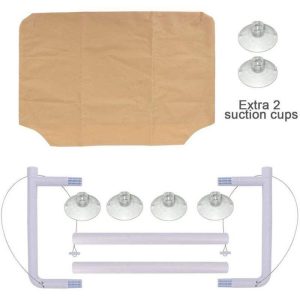
Washable Cat Window Hammock Cooling Bed
Original price was: $23.99.$22.99Current price is: $22.99. -
Sale!

Tropical Amphibian Rainforest Tank, Lizard Cage
Original price was: $38.99.$36.99Current price is: $36.99. -
Sale!

Silent 4-in-1 Waterproof Charging Dog Hair Trimmer
Original price was: $49.88.$47.99Current price is: $47.99.
