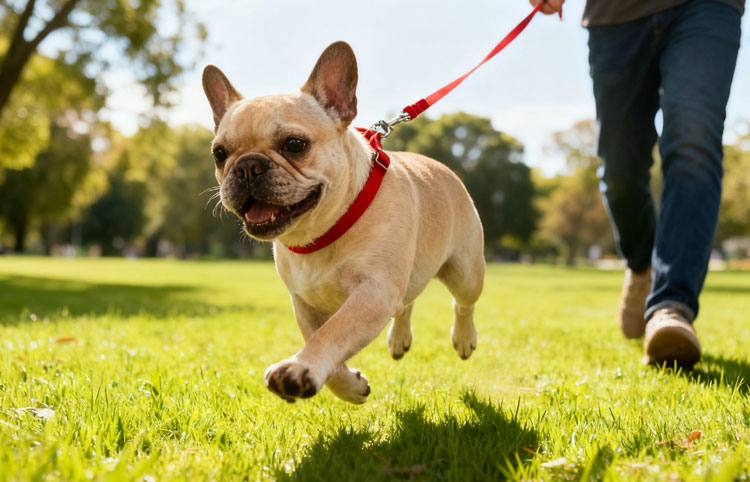
The French Bulldog originated in France, though its ancestors were actually English Bulldogs. The most widely accepted theory regarding its origins is that around 1860, many English Bulldogs kept as companion pets were sent to France. These dogs mated with local Pugs and Terriers, giving rise to the French Bulldog breed. At the time, these dogs were highly favored by aristocratic ladies. As quintessential toy companion dogs, French Bulldogs made their first public appearance in 1889. Their debut immediately captured public attention, particularly among the elite and nobility, who developed a special fondness for them—a preference that endures to this day.
I. French Bulldog Lifespan
French Bulldogs typically live between 12 and 15 years. With attentive care, including careful attention to diet and health management, their lifespan can be extended by several years.
II. French Bulldog Pricing
Prices vary significantly based on coat color. Cream-colored (with black and white markings) French Bulldogs typically range from $10,000 to $15,000. Brindle-colored dogs generally cost between $8,000 and $15,000. Fawn-colored dogs are slightly less expensive, usually priced from $7,000 to $13,000. and red coats fall within the $6,000 to $13,000 range.
III. How to Select a French Bulldog
1. Coat: When selecting a French Bulldog, feel its coat. A good coat should have just the right fineness, feel smooth, and be short in length with a flat surface. The skin should be soft with a slight laxity, especially around the head and shoulder blades, where naturally formed wrinkles are visible—this aligns with the breed’s characteristics.
2. Color: Not all French Bulldog colors are acceptable. Tabby, fawn, white, tabby with white, and other colors not classified as “disqualified” are acceptable choices. However, note that solid black (meaning black without any brindle markings), mouse gray, liver, black with brown, black with white, or white with black are all disqualifying colors and should be avoided.
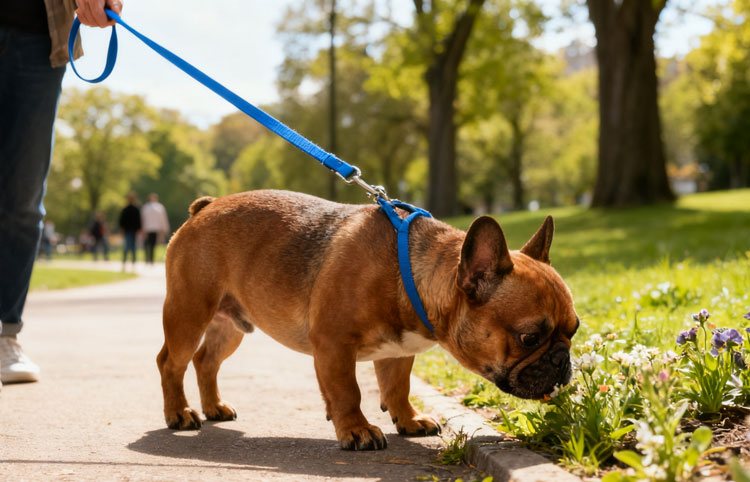
3. Gait: Observing a French Bulldog’s gait is crucial. The standard movement should exhibit a double track pattern, with both extension and drive appearing natural and unrestrained. The overall motion should be fluid and energetic, never slack or limp.
4. Temperament: A French Bulldog should display well-mannered behavior, adapting easily to new environments and interacting harmoniously with people. Personality should be friendly and temperament calm. Being lively, alert, and playful is acceptable, but excessive, unprovoked barking is undesirable as it creates noise pollution.
5. Disqualifications: (1) Any physical alterations beyond dewclaw removal; (2) Weight exceeding 28 pounds; (3) Ears not bat-shaped; (4) Nose color not black (except for lighter-colored dogs, where a slightly lighter nose is acceptable but not ideal); (5) Coat color being the previously mentioned solid black (no brindle), fawn, liver, black with tan, black with white, or white with black.

IV. Advantages of the French Bulldog
1. Quiet and Non-Intrusive
Living in an urban apartment makes the French Bulldog an excellent choice due to its exceptionally quiet nature. Unlike some breeds that bark incessantly at the slightest noise, it rarely does so. You won’t need to worry about disturbing neighbors or causing inconvenience.
2. Gentle and Friendly Temperament
French Bulldogs possess an exceptionally good-natured disposition and are very friendly toward people, rarely biting without provocation. They show remarkable tolerance toward children in the household, enjoying playtime with them. Their presence creates a warm and welcoming atmosphere at home.
3. Short, Low-Maintenance Coat
Owners know their coat is short and coarse, making grooming a breeze. No need for frequent baths or complex styling—just occasional brushing, wiping their facial wrinkles, and cleaning their ears suffice.
4. Low-Exercise Needs for Indoor Living
Compact in size and requiring minimal exercise, French Bulldogs are ideal for home life. Most of the time, they enjoy lounging around the house or taking leisurely strolls indoors, eliminating the need for hours of daily walks.
5. Photogenic and Fashionably Cute
French Bulldogs have distinctive faces and compact builds that make them incredibly photogenic from any angle. Their stylish and adorable appearance makes them a favorite subject for photos that people love to share.
6. Loyal Guardian with High Alertness
Despite its small size, the French Bulldog is fiercely loyal to its owner and highly protective. If it senses danger, it will immediately step in to safeguard its owner and family members, providing a strong sense of security.
V. Drawbacks of the French Bulldog
1. Prone to Health Issues
French Bulldogs carry genetic predispositions to certain health issues, such as osteochondrosis dissecans, hip dysplasia, and spinal deformities. These conditions not only cause the dog significant discomfort but also impose substantial financial burdens on owners for treatment.
2. Challenging to Train
French Bulldogs possess average intelligence, learning at a slower pace with somewhat sluggish responses. Teaching them commands requires immense patience, as each action may need repeated demonstrations before mastered. Training must be gentle yet firm, occasionally using treats as rewards for better results.
3. Frequent Farting and Strong Body Odor
Due to their unique intestinal structure, French Bulldogs pass gas frequently with a particularly pungent odor, often leaving lingering smells in the home. To mitigate this, pay close attention to their diet—avoid feeding them greasy or hard-to-digest foods.
4. Snoring disrupts sleep
French Bulldogs have short, narrow airways, making them prone to loud snoring during sleep. If you’re a light sleeper or sensitive to noise, their snoring might disturb your rest.
5. Prone to Shedding
Although French Bulldogs have short, low-maintenance coats, shedding is still an issue. Shedding intensifies during spring and fall molting seasons or when their diet is unbalanced, leaving hair on sofas and clothing.

VI. French Bulldog Care Guide
1. Vaccinations
To keep your French Bulldog healthy, regular deworming and vaccinations are essential. Generally, puppies can start receiving infectious disease vaccines at 42 days old. The first round consists of three consecutive shots, followed by a rabies vaccine. After that, infectious disease vaccines should be administered annually, with rabies vaccines every three years. Deworming must also be done regularly, covering both internal and external parasites.
2. Environmental Care
Ensure your French Bulldog’s living space remains clean and dry. Prolonged exposure to damp, dark conditions can lead to skin diseases and other health issues. Regularly ventilate the area by opening windows, maintain a thorough cleaning routine, and keep your home fresh and pleasant—beneficial for both your dog and your own comfort.
3. Training and Education
When training your French Bulldog, clearly reward good behavior and correct mistakes. This helps them understand their actions and learn how to improve. Praise them frequently during training to encourage cooperation and enthusiasm. Offering small treats as rewards enhances effectiveness.
4. Regular Meal Schedule
Feed your French Bulldog at consistent times each day. Avoid irregular portions or feeding only when you remember. Irregular feeding can upset their stomach and lead to gastroenteritis. A regular schedule aids digestion, improves nutrient absorption, and reduces digestive issues.
5. Exercise Time
While French Bulldogs don’t require excessive exercise, daily activity is essential. Aim for 30 minutes to an hour daily—whether walking around the neighborhood or playing fetch at home. This helps maintain their ideal weight, boosts immunity, reduces illness, and saves owners worry.
6. Choosing Dog Food
The quality of dog food directly impacts your dog’s health. Opt for premium dog food to meet its nutritional needs, ensure healthy eating habits, and potentially extend its lifespan. In addition to dog food, occasionally supplement with vegetables and fruits to provide extra nutrients.
7. Observing Stool
When cleaning up your French Bulldog’s stool daily, pay close attention to its consistency as it reflects overall health. Healthy stool should be moderately firm, light yellow or tan in color, formed into distinct pellets, free of parasites, and easy to clean up. Note that stool color can be influenced by diet—eating foods high in pigments or liver may cause darkening, which is normal. However, if the stool is black and foul-smelling, it may indicate dietary issues requiring immediate adjustment.
8. Emotional Well-being
Caring for your French Bulldog extends beyond physical health to include emotional support. Only when both body and mind are healthy can they live longer and accompany their owners for more years. Spend time with them whenever possible—play together, offer occasional treats like chicken jerky, and reward them occasionally. This boosts their happiness, strengthens the bond with their owner, and promotes better mental health.

VII. Foods French Bulldogs Should Avoid
1. Tomatoes
If you want your French Bulldog to live longer, avoid feeding it tomatoes. The solanine and natural toxins in tomatoes are harmful. Consumption may cause dilated pupils, seizures, vomiting, diarrhea, and in severe cases, coma or death.
2. Avocados
Avoid feeding avocados to French Bulldogs, as they can shorten their lifespan. The flesh, pit, and even the tree itself contain substances harmful to them. Consumption may cause breathing difficulties, fluid buildup in the chest, abdomen, or heart. Always keep these items out of reach.
3. Soda
French Bulldogs are extremely heat-sensitive, making summer a struggle for them. However, no matter how hot it gets, never give them soda. Soda contains caffeine, carbon dioxide, and high sugar levels, which can cause digestive discomfort and negatively impact their lifespan.
4. Sweets
While lacking nutritional value, French Bulldogs adore treats like ice cream and cake. Regular consumption, however, increases their risk of dental disease, obesity, and diabetes—all of which shorten their lifespan. It’s best to avoid giving them sweets.
5. Small Bones That Can Pierce the Intestines
While bone marrow contains calcium, phosphorus, copper, and manganese, and chewing bones can clean teeth, fragile bones like chicken bones, fish bones, or cooked marrow bones can easily puncture the intestines, esophagus, or stomach. If you wish to give bones, boil them thoroughly in a pressure cooker for safety, or opt for commercial chew toys instead.
6. Leftover human food
Human leftovers contain excessive oil and salt. Long-term consumption can worsen hair loss, cause tear stains, and strain the kidneys—potentially leading to kidney failure and shortened lifespan. Avoid feeding leftovers; stick to commercial dog food.

VIII. French Bulldog Coat Care
1. Daily Grooming Use a rubber brush or slicker brush to gently comb your dog’s coat for 5 to 10 minutes daily. This removes loose hair, dust, and dander while promoting skin circulation. French Bulldogs shed moderately, but during spring and fall shedding seasons, increase brushing frequency to prevent hair from accumulating throughout your home.
2. Regularly trim hair on the paw pads, around the anus, and stray hairs near the eyes. Overgrown paw hair can cause slipping and trap dirt; excess hair around the anus may trap fecal matter; stray eye hair can irritate the eyes. Use rounded-tip pet scissors. Hold the dog’s head steady during trimming to prevent injury.
3. Apply a pet-specific coat conditioner to your French Bulldog once or twice a month, especially during dry weather. Opt for a moisturizing spray. Apply a small amount to the coat, then comb through. This will leave the fur smoother, shinier, and less prone to static and dryness.
4. Avoid frequent bathing. Bathe your French Bulldog every 1-2 weeks in summer and every 2-3 weeks in winter. Over-bathing strips the skin’s protective oil layer, which is harmful. Before bathing, plug its ears with cotton swabs to prevent water from entering, as this can cause inflammation.
5. Pay special attention to cleaning the wrinkles on the French Bulldog’s face, neck, and armpits. Daily, use a warm, damp towel or pet-specific wipes to thoroughly cleanse these folds of food residue, sweat, and dirt. After wiping, apply a small amount of pet talcum powder to keep the area dry. This helps prevent eczema and inhibits bacterial growth.
6. Trim nails every 2-3 weeks using pet-specific nail clippers. Be cautious not to cut into the quick—the pink area visible in light. If bleeding occurs, immediately apply styptic powder.
7. Clean teeth regularly by brushing 2-3 times weekly with a pet toothbrush and toothpaste to prevent tartar buildup and bad breath. Provide dental chews to help clean their mouth.
8. Daily, use a clean cotton swab to gently remove discharge from their eyes. If you notice redness or increased tearing, it may indicate inflammation. Check immediately and consult a vet if severe.
IX.French Bulldog Training Essentials
1. Leash Training
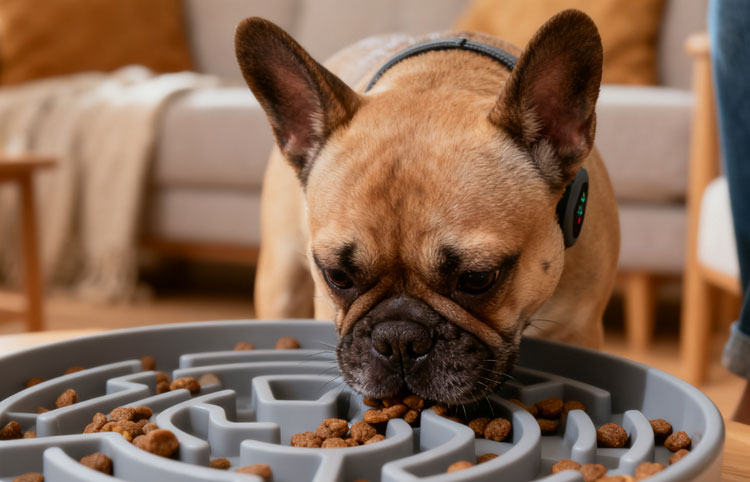
Always use a leash when taking your French Bulldog outside to prevent it from running off and to avoid startling or bumping into pedestrians. Start by placing the leash in front of it for sniffing to gradually acclimate. Once the leash carries its scent, resistance will diminish. Subsequently, attach the leash and allow free movement for a short period to acclimate to the sensation. Training is complete when the dog no longer resists.
2. Command Training
After the French Bulldog adapts to the leash, teach it to respond to commands for better control during outings and prevent wandering. Start with the basic commands “Go” and “Stay.” To halt its movement, say “NO” or ‘Sit’ while shortening the leash to pull it close to you. Once it calms down, reward it with a treat. Repeat the command to reinforce the association: “Hearing this command means staying still, and staying still earns a reward.” Teach the “Go” command using the same method.
3. Repetitive Training Cycles
Pets’ intelligence differs from humans; they can only grasp simple actions. Training requires patience—repeat each action until it becomes habitual. They should respond instantly upon hearing or seeing the cue. Don’t give up after a few attempts; persistence through repetition is key for memorization.
4. Food Rewards
Immediately reward your French Bulldog with treats after each successful command. This reinforces that obeying brings benefits, strengthening memory retention and preventing boredom or reluctance during training.

X. Common Health Issues in French Bulldogs
1. Perianal Diseases
As a small breed, French Bulldogs are prone to anal gland blockages. When these glands become clogged, the pain may cause the dog to drag its tail while walking or squat in circles rubbing its rear. While intestinal parasites can cause similar behavior, tail-related issues are more common. This is especially true for dogs with curly tails, where the area beneath the tail is most vulnerable. Symptoms are more noticeable in hot weather but can occur year-round. Even dogs with straight tails may develop this condition if the base of the tail is consistently warm and moist.
2. Heatstroke
French Bulldogs are highly susceptible to heatstroke during summer. Their short stature and snub nose make breathing difficult in hot weather, and extreme temperatures can lead to overheating. Ensure windows are open for ventilation, avoid walks during the hottest midday hours, and opt for cooler evening outings. Limit vigorous exercise outdoors to prevent inadequate heat dissipation and heatstroke risk. Always carry bottled water during summer walks to hydrate your dog when thirsty.
3. Skin Conditions
French Bulldogs have delicate skin prone to infestations by parasites or bacteria, leading to dermatological issues. Visual inspection alone is insufficient to diagnose the specific condition. It’s best to take your dog to a veterinary clinic for examination under a microscope or Wood’s lamp to determine whether the issue stems from fungi, mites, or other causes, followed by targeted treatment. Mild skin conditions can be managed with Western medicine, while severe cases may benefit from traditional Chinese medicine. However, skin diseases are notoriously difficult to treat and typically require over two weeks to resolve.
4. Entropion
Many French Bulldogs develop entropion, where the inner eyelid rolls inward, causing a white, reddish swelling. Mild cases require little concern, but surgical correction is possible for permanent resolution. This procedure carries low risk and is generally safe as long as the dog tolerates anesthesia.

-
Sale!

Washable Pet Cooling Pad for Cats and Dogs
Original price was: $10.99.$9.99Current price is: $9.99. This product has multiple variants. The options may be chosen on the product page -
Sale!

Washable Cat Window Hammock Cooling Bed
Original price was: $23.99.$22.99Current price is: $22.99. -
Sale!

Tropical Amphibian Rainforest Tank, Lizard Cage
Original price was: $38.99.$36.99Current price is: $36.99. -
Sale!

Silent 4-in-1 Waterproof Charging Dog Hair Trimmer
Original price was: $49.88.$47.99Current price is: $47.99.
