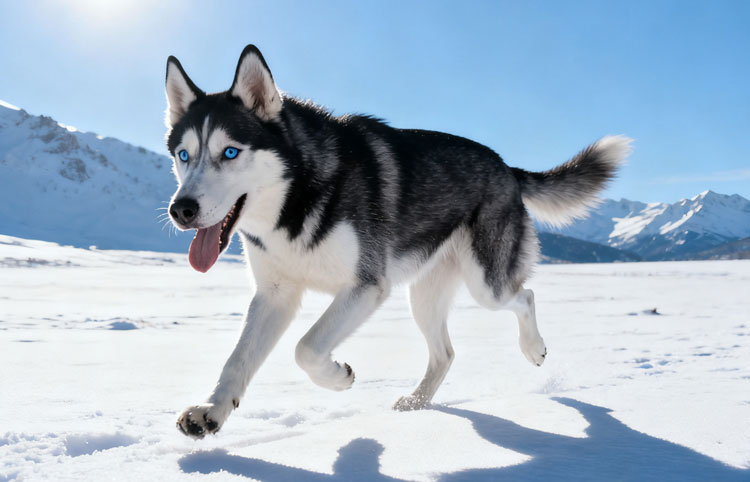
Huskies have highly distinctive blue eyes and pull sleds across the wilderness. Originating from the frigid Siberian climate, the Husky is a medium-sized breed weighing between 22.5 and 30 kilograms, with a shoulder height of 50 to 60 centimeters. Its coat is short, dense, and double-layered. The American Kennel Club (AKC) describes it as: “Friendly, gentle, noble; alert, but not aggressive.”
I. Husky Lifespan
Huskies typically live beyond 9 years, commonly reaching 13 to 18 years. While some individuals may live over 20 years, this is uncommon. The average dog lifespan is about 12 years, equivalent to a human age of 79 years.
II. Husky Pricing
Pet-quality Huskies range from $150 to $600. Pedigree-quality dogs cost between $450 and $900. Competition-standard individuals start at $900, with top-quality specimens reaching $1,500 to $3,000.
III. Selecting a Husky
1. Opt for puppies at least 3 months old. Ensure they’ve received their first round of vaccinations and completed deworming. When observing a puppy:
Check for alertness and clear, bright eyes free of cloudiness or tear stains.
The nose should remain moist and cool, with steady breathing and no coughing.
The anal area must be clean, dry, and odor-free. The area around the anus should be clean and dry, free of debris and unpleasant odors. The coat should be thick and glossy, without patches of hair loss or dandruff. When parting the fur, the skin beneath should show no redness or swelling, and no parasites or signs of infestation should be visible.
2. A quality Husky exhibits friendly and warm demeanor toward humans. Upon encountering unfamiliar people, it neither displays aggressive postures nor excessive timidity, but actively wags its tail to interact. Testing puppies by tossing a toy reveals those willing to chase and play with it without aggressive chewing tend to have calmer, more stable temperaments. Avoid puppies that are overly excitable, chew indiscriminately, dash about recklessly, or constantly hide in corners, reluctant to approach people.
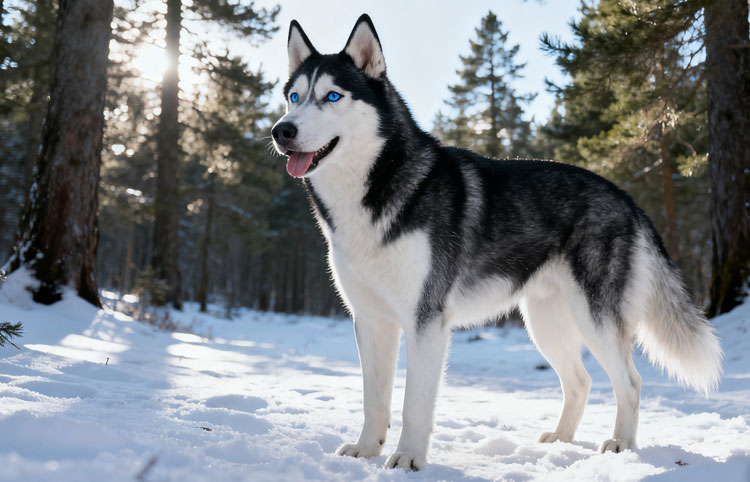
3. A well-proportioned Husky puppy should have a broad, deep chest, sturdy, muscular limbs full of strength, and stand upright with no signs of lameness when walking. The head should be wedge-shaped with erect ears set moderately apart. Eyes are blue or brown with a lively, alert expression. The tail should naturally curl over the back, well-feathered, and the gait should be light and energetic, radiating vitality.
4. When selecting a puppy, request the seller to provide vaccination records and deworming history. Seek opportunities to meet the puppy’s parents to assess the breeding stock’s health and temperament. Verify the puppy’s origin is reputable and reliable to avoid purchasing “weekend puppies” lacking health guarantees and prone to health issues.
IV. Advantages of the Husky
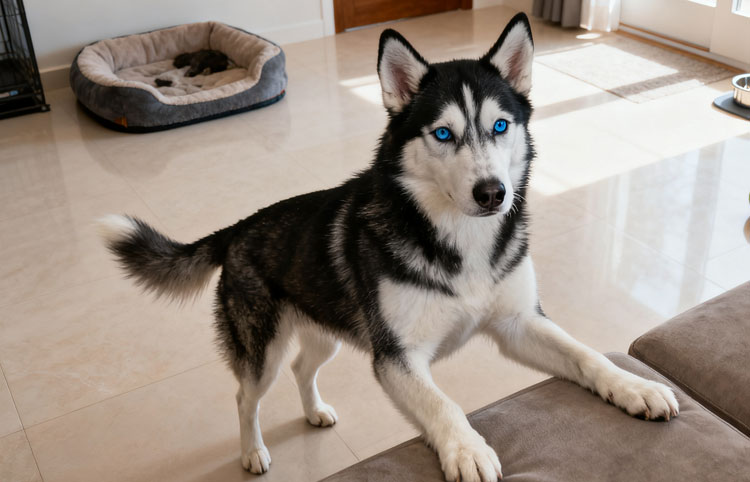
1. Huskies rank among the three most non-aggressive dog breeds, possessing a gentle temperament that quickly forms close emotional bonds with humans. They show no fear of people, never initiate attacks, and delight in interactive play.
2. Huskies maintain constant enthusiasm, displaying warmth toward both owners and strangers alike. Their playful nature allows them to engage tirelessly in hours of human companionship.
3. Despite their high energy, Huskies rarely bark. Even in urban apartments, they pose little disturbance to neighbors, remaining remarkably quiet most of the time.
4. Huskies exhibit minimal possessiveness and jealousy toward their owners. They coexist peacefully with other pets, happily sharing playtime together.
5. Huskies possess a striking, handsome appearance with sleek, flowing lines.
6. Huskies are relatively clean, with minimal body odor and low saliva production. Owners need only brush their coat daily and bathe them about once a month.
7. As sled dogs, Huskies possess innate genetic resilience, making them hardy and less prone to illness.
8. Compared to similarly sized breeds, Huskies consume only two-thirds to half the food quantity, resulting in lower feeding costs.
V. Disadvantages of Huskies
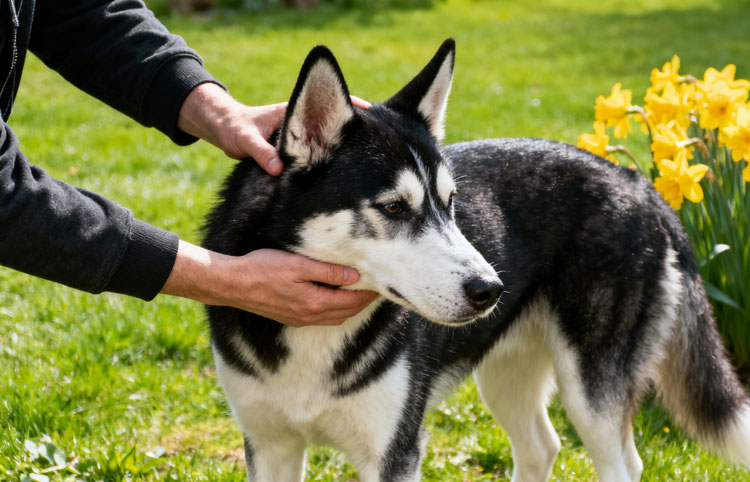
1. Huskies are naturally energetic and highly active, requiring substantial exercise. They need frequent outdoor walks and activities. If confined indoors for extended periods, they may chew or destroy furniture, sofas, socks, shoes, table legs, or any object that catches their interest.
2. Huskies present a greater challenge in training, not due to low intelligence but rather their independent nature and lower obedience levels. While most Huskies are quite intelligent, they often display a dismissive attitude toward their owner’s commands. During training, referencing instructional videos online can be helpful. Preparing treats in advance facilitates the training process and can also be used during regular interactions.
3. Huskies have sensitive stomachs, often called “glass stomachs.” Ingesting unsuitable foods can easily cause diarrhea. Therefore, avoid feeding them random treats. For their main diet, choose high-quality dog food that offers good value for money.
4. Huskies are enthusiastic toward people but lack discernment, treating everyone equally. They might wag their tails at intruders, mistaking them for playmates, making them unsuitable for guarding homes.
5. Once outside, Huskies often dart away as if freed from restraints, typically vanishing from sight. Successfully recalling them is less than 30% likely. Owners should always keep Huskies on a leash when outdoors. Never let go unless absolutely certain they won’t wander off.
6. Huskies shed heavily, especially during molting seasons, often leaving hair scattered across floors.
7. Huskies may occasionally exhibit nervous or anxious behaviors.
VI. Husky Care
1. Diet Management
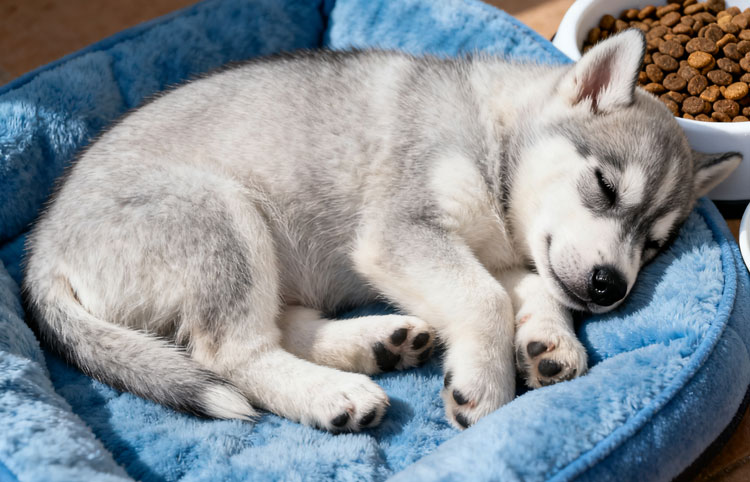
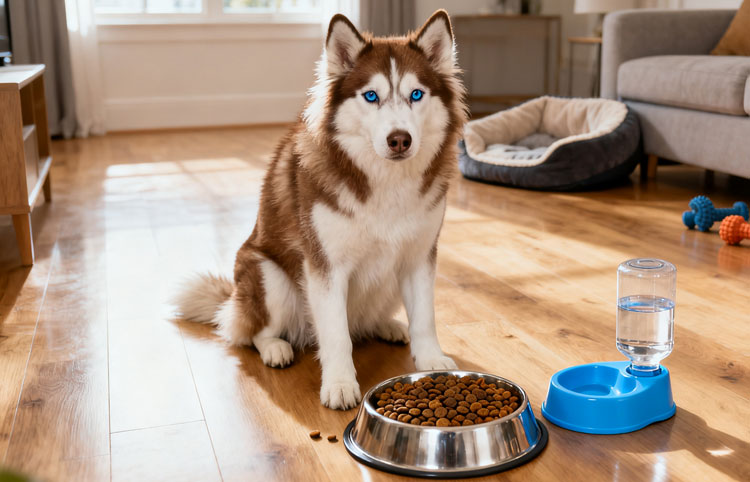
Puppies (3-6 months) should be fed 3-4 times daily, while adults (over 1 year) require 2 meals per day. Feed at consistent times and portions to prevent overeating. Choose grain-free dog food as the main diet, supplemented with small amounts of cooked meat (e.g., chicken breast, beef) and vegetables (e.g., carrots, broccoli). Strictly avoid feeding toxic foods like chocolate, grapes, or onions. Puppies require calcium supplementation, while adult dogs need controlled salt intake.
2. Exercise Management
Huskies are highly energetic and require 1-2 hours of daily outdoor activity. Engage them in walks, frisbee play, or tug-of-war games. Avoid prolonged periods of isolation to prevent destructive behavior. Suitable activities include running and hiking. At home, provide enrichment toys like snuffle bowls or tug ropes to help expend excess energy.
3. Coat Care
The double-layered coat of Huskies sheds heavily. During spring and fall shedding seasons, brush daily; otherwise, brush 2-3 times weekly using a slicker brush to remove loose hair and dirt. Avoid frequent bathing—once every 1-2 months is sufficient. Use dog-specific shampoo and ensure the coat is thoroughly dried afterward to prevent skin conditions. Regularly trim paw pad hair and nails, and clean ear canals and eye discharge.
4. Training and Behavior Correction
Begin socialization training from puppyhood, exposing them to strangers and other pets to prevent timidity or aggression. Use positive reinforcement (treats, verbal praise) for basic commands (sit, heel, stay calm) with patient guidance—never resort to scolding or physical punishment. Huskies exhibit slightly lower obedience, requiring consistent training to promptly correct undesirable behaviors like jumping on people or excessive chewing.
5. Health Care
Schedule regular vaccinations for your Husky. Administer the first shot followed by two additional doses every three weeks. After reaching one year of age, provide annual booster shots. Regular internal and external parasite prevention is essential: monthly for external parasites and every three months for internal parasites. Monitor their stool consistency and overall demeanor. Common health issues include gastrointestinal discomfort and hip dysplasia. Seek veterinary care promptly if vomiting or diarrhea occurs.
VII. Foods Huskies Should Not Eat
1. Chocolate / Cocoa Products: Contain theobromine, which can cause rapid heartbeat and body spasms; dark chocolate is more toxic.
2. Grapes / Raisins: Even a few can trigger acute kidney failure. There is no specific antidote; seek immediate veterinary care if ingested.
3. Onions / Garlic (raw or cooked): Sulfides destroy red blood cells, causing anemia and hematuria;
4. Xylitol (common in sugar-free foods): May cause hypoglycemia and liver failure within 10 minutes, with high mortality rates;
5. Raw meat / raw eggs: May carry pathogens causing vomiting and diarrhea. Raw eggs impair vitamin absorption; must be cooked before feeding.
6. Avocado: Contains toxins causing vomiting; pits pose a choking hazard.
7. Alcohol / caffeine: Alcohol damages liver and kidneys; caffeine stimulates the heart. Both are strictly prohibited.
8. High-salt foods (e.g., pickles, leftovers): May worsen tear staining and cause hypertension. Long-term consumption damages kidneys; low-salt dog food should be the primary diet.
9. High-sugar foods (e.g., cakes, candies): May lead to obesity and diabetes, affecting normal appetite.
VIII. Husky Training
1. Basic Command Training (3-6 months is the prime period)
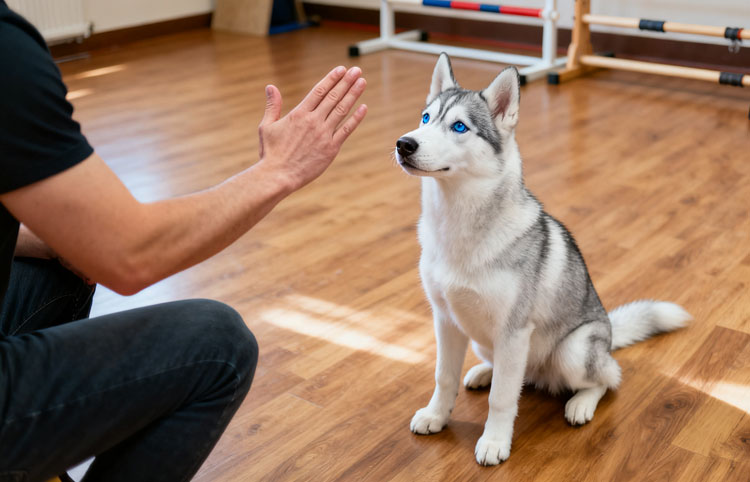
“Sit” Training: Hold a treat above its head and slowly move it backward while giving the “Sit” command. When it naturally sits to look up at the treat, immediately reward it with the treat and verbal praise. Repeat 10-15 times; mastery typically takes about a week.
“Heel” Training: While walking on a leash, if the dog pulls ahead or rushes forward, stop and give the “heel” command. Reward it once it returns to your side. Initially, keep walks short and gradually extend them to prevent overexcitement and loss of control.
“Come” Training: In a quiet environment, crouch down with arms open. Gently call its name followed by the “Come” command. Immediately reward it upon arrival. If hesitant, step back to attract attention—never force or drag.
2. Behavior Correction Training
Destructive Chewing Correction: When you catch it chewing furniture, redirect its attention with toys like tug ropes or treat-dispensing balls while saying “No.” Reward it once it stops chewing. Before leaving home, provide plenty of puzzle toys to help burn off excess energy.
Jumping Off-Leash Correction: When it jumps, turn your back and ignore it. Once it lands quietly, say “Good” and reward it, teaching that attention comes only through calm behavior.
3. Socialization Training
The critical socialization period for Huskies spans 3-12 months. Expose them to strangers, other pets (cats/dogs), and diverse environments like parks and streets. When encountering other dogs, reward friendly behavior. If fearful, gently guide them closer without forcing contact to prevent psychological trauma.
IX. Husky Grooming
1. Coat Care: The double coat requires tailored maintenance based on conditions. Routinely brush 2-3 times weekly with a slicker brush and comb, focusing on the neck, back, and armpits for 10-15 minutes per session. During spring and fall shedding seasons, use a shedding brush daily and pair with a lint roller to remove loose hair.
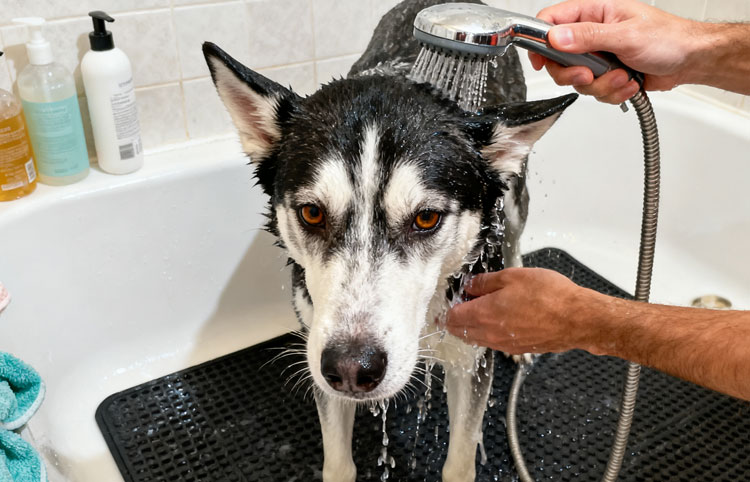
2. Bathing Technique: Bathe every 1-2 months. For localized dirt, spot-clean first. Use 38-40°C (98.6-104°F) warm water and tear-free dog shampoo, avoiding eyes and ears. After washing, press with a towel to remove excess moisture, then blow-dry on a low setting.
3. Detailed Care: Trim nails every 2-3 weeks, cutting only the transparent portion. If bleeding occurs, apply styptic powder promptly. Allow the dog to walk on rough surfaces for natural nail wear. Clean the outer ear canal weekly with dog-specific ear cleaner. After bathing, promptly remove any water trapped in the ear canal. Gently wipe the eye area daily. For severe tear staining, switch to a low-salt dog food or use specialized tear stain removal products. Regularly trim the hair on the paw pads and clean debris from between the toes.
X. Common Health Issues in Huskies
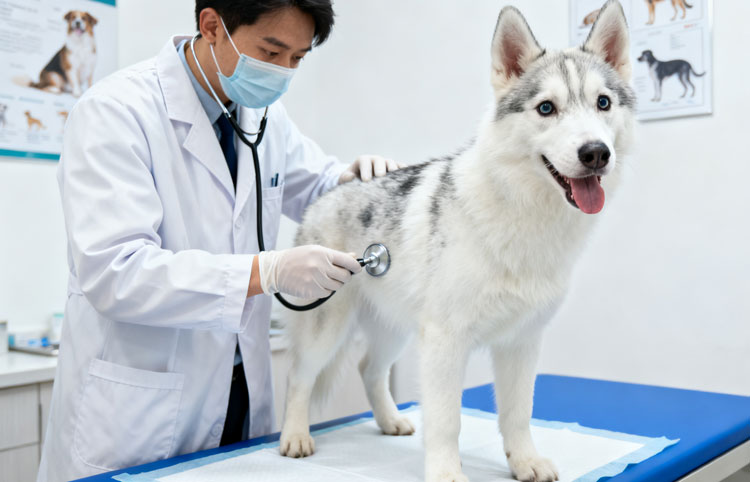
1. Huskies have sensitive digestive systems prone to gastroenteritis, manifesting as diarrhea and vomiting. Common causes include abrupt diet changes, ingesting foreign objects, or irregular feeding schedules. Symptoms include lethargy and loose stools. Feed smaller, more frequent meals and transition dog food gradually.
2. Hip dysplasia is a common hereditary condition in Huskies. Excessive exercise during puppyhood or obesity can worsen the condition. Affected adults may develop lameness and reduced mobility.
3. Common eye conditions in Huskies include cataracts and corneal dystrophy. Cataracts cause blurred vision and may lead to blindness in severe cases, while corneal dystrophy manifests as cloudy spots on the cornea. Regular eye examinations are essential, with surgical intervention required for advanced cases.
4. Some Huskies may develop allergies to pollen, dust mites, or specific foods, presenting symptoms like skin itching, hair loss, and red patches. Promptly identify allergens, maintain clean and dry skin, and use anti-allergy medications when necessary.
XI. Differences Between Huskies and Alaskan Malamutes
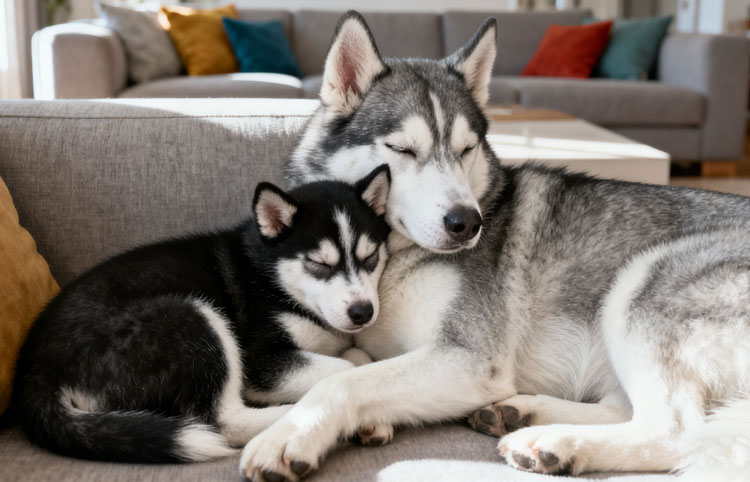
1. Size: Huskies are medium-sized dogs, typically weighing 22.5 to 30 kg (50 to 66 lbs) and standing 50 to 60 cm (20 to 24 in) at the shoulder when fully grown. Malamutes are large dogs, reaching 40 to 50 kg (88 to 110 lbs) and 60 to 65 cm (24 to 25 in) at the shoulder, appearing overall larger and more robust than Huskies.
2. Eyes: Huskies exhibit diverse eye colors including blue, brown, and heterochromia; Malamutes typically have brown eyes.
3. Ears: Huskies have narrowly spaced ears with small, triangular tips; Malamutes have widely spaced ears with large, semi-circular tips.
4. Coat: Huskies have short, coarse fur in diverse colors, commonly black-and-white or gray-and-white. Malamutes possess long, dense double coats typically appearing black-and-white, gray-and-white, or red-and-white.
5. Tail: When relaxed, the Husky’s tail hangs naturally downward; when excited, it lifts upward but does not curl. The Malamute’s tail is thick at the base with abundant fur, always curled over its back.
6. Temperament: Huskies are lively, occasionally nervous, and full of energy. They have a tendency to destroy things and are less obedient, making training more challenging. Malamutes are relatively docile, loyal, and steady. They exhibit less destructive behavior and are slightly more obedient than Huskies.
7. Bark/Howl: Huskies produce a distinctive, hoarse-sounding bark; Alaskan Malamutes typically emit a howl resembling a deep “woof-woof.”
8. Origin: Huskies originated in Siberia, Russia; Alaskan Malamutes originated in Alaska, United States.

-
Sale!
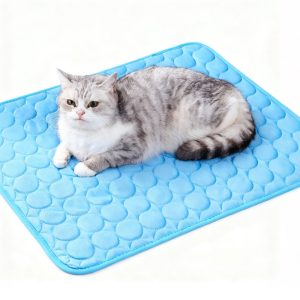
Washable Pet Cooling Pad for Cats and Dogs
Original price was: $10.99.$9.99Current price is: $9.99. This product has multiple variants. The options may be chosen on the product page -
Sale!
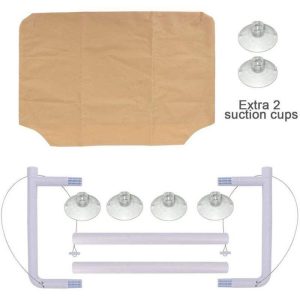
Washable Cat Window Hammock Cooling Bed
Original price was: $23.99.$22.99Current price is: $22.99. -
Sale!
Tropical Amphibian Rainforest Tank, Lizard Cage
Original price was: $38.99.$36.99Current price is: $36.99. -
Sale!

Silent 4-in-1 Waterproof Charging Dog Hair Trimmer
Original price was: $49.88.$47.99Current price is: $47.99.
