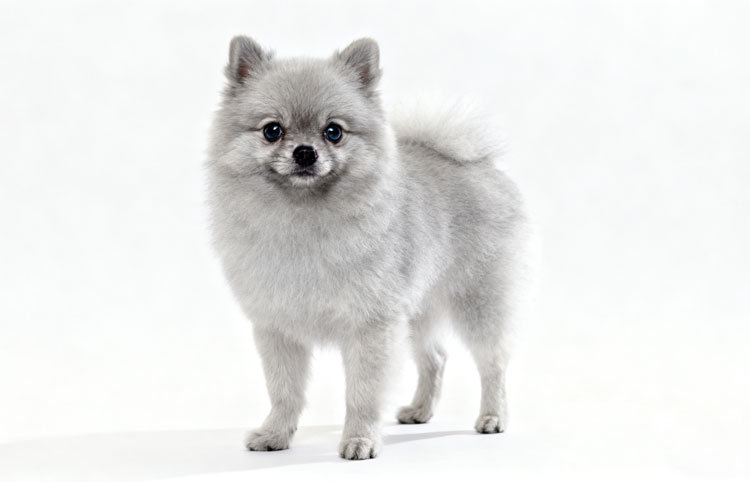
The Pomeranian is a small toy breed originating in Germany, also known as the “Squirrel Dog” for its rich, fluffy, ball-like coat. It has a lively, bold personality, is intelligent and affectionate, and is extremely loyal to its owner. However, it barks warily at strangers, earning it the nickname “little alarm system.” Despite its small size, it’s bursting with energy, loves to play and cuddle, making it an excellent choice for apartment living. With regular brushing and dental care, the Pomeranian can maintain its signature fluffy, adorable appearance.
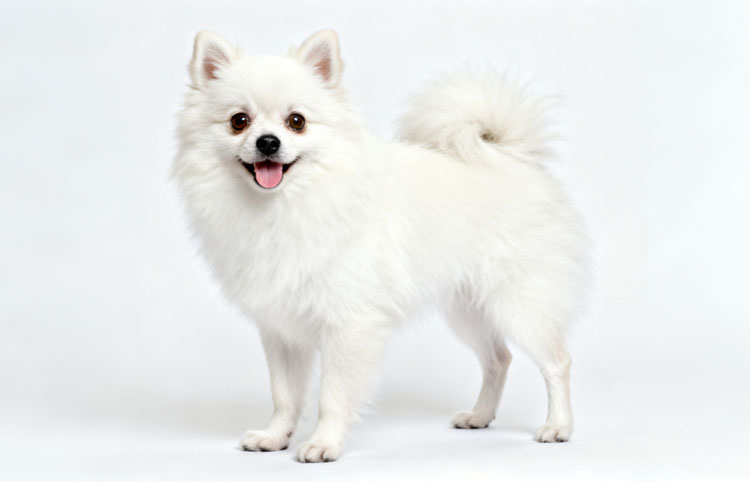
I. Advantages of the Pomeranian:
1. High Visual Appeal
Pomeranians are the center of attention wherever they go—cafés, selfies, social media feeds—they’re guaranteed to draw attention. With their fluffy coats and expressive faces, they’re born to be adorable.
2. Compact Size
Weighing 3-7 pounds, Pomeranians are a blessing for apartment dwellers. They feel like plush toys in your arms and fit easily into a bag for travel, making them incredibly convenient.
3. Playful Personality
Pomeranians are incredibly enthusiastic. They spring toward you like a live wire upon seeing you, offering unwavering loyalty and endless emotional fulfillment.
4. Strong Guarding Instincts
When strangers approach, they instantly switch to “alarm bell” mode, providing security that rivals some larger breeds.
II. Drawbacks of Pomeranians
1. Heavy Shedding
They shed twice a year, blanketing your home like snow. Fur covers sofas, beds, and clothes—enough to drive neat freaks mad.
2. Piercing Bark
Whether excited, bored, or spotting strangers, they unleash relentless high-pitched barks. Expect neighbors knocking for a “friendly chat.”
3. Bold Temperament
They’ll bark aggressively at German Shepherds, Golden Retrievers, or even cars. If left unattended, they’ll bolt out the door. Always keep a tight grip on the leash during walks.
4. Health Vulnerabilities
Pomeranians are prone to tracheal collapse, knee dislocation, periodontal disease, and hypoglycemia. They struggle with heat in summer and cold in winter, and vet bills can make you question your life choices.
5. Possessive Tendencies
While intelligent, Pomeranians can be stubborn. Destructive chewing, food guarding, and jealousy toward new pets/babies are common. Neglecting training will lead to regret later.
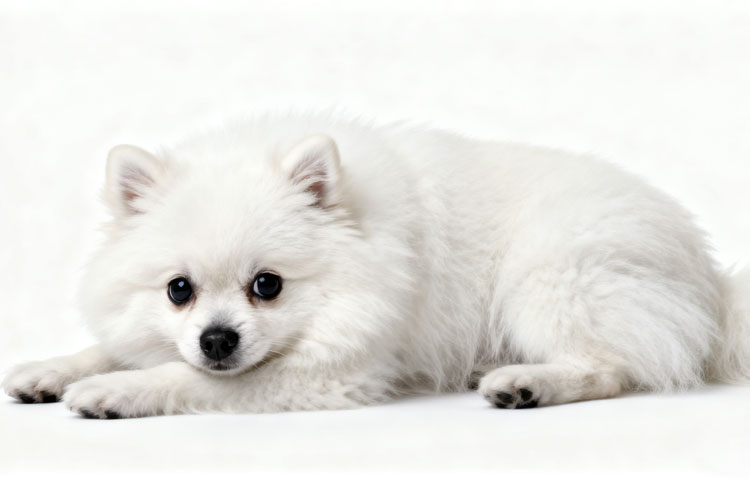
III. Pomeranian Care Methods
1. Diet:
Puppies: 4-5 meals daily.
Adults: 2 meals daily. Choose high-quality small-breed dog food—never feed human food! Pomeranians gain weight easily, so strict weight management is essential. Treats should not exceed 10% of daily calories; freeze-dried chicken or lamb milk powder are recommended rewards.
2. Coat Care: Brush 2-3 times weekly using a pin brush and slicker brush to thoroughly detangle undercoat and prevent matting. Wipe their face and eye corners daily to prevent tear stains from turning brown. Bathe every 1.5-2 months using diluted pet shampoo to avoid dry coat. Many overlook trimming paw and rear fur—keep it clean to prevent dirt and inflammation.
3. Exercise: Don’t underestimate their energy! Walk them at least 30-40 minutes daily, split into two sessions. They love playing fetch and chewing toys. Without playtime, they may bark excessively or destroy furniture. Pomeranians are highly alert and prone to barking at strangers. The 3-6 month period is a critical socialization phase—expose them to people and other dogs to ensure a calmer adult.
4. Precautions:
Pomeranians are prone to patellar luxation. If they suddenly limp, seek veterinary care immediately. Their teeth are highly prone to tartar buildup. Begin weekly brushing or use dental chews before age 3. They dislike both extreme cold and heat—dress them warmly in winter and limit sun exposure to under 15 minutes in summer. They gain weight easily after neutering/spaying, so reduce food portions promptly.
IV. Selecting a Pomeranian
1. Assess Temperament
Pomeranians are generally timid, but avoid puppies that tremble or yelp at strangers. Opt for puppies that don’t struggle when picked up and show willingness to play—they’ll adapt faster at home.
2. Evaluate Parents
Pomeranians exhibit strong genetic traits. The mother’s appearance typically predicts the puppies’ traits with 80% accuracy. Inspect the mother’s coat density, bone structure, muzzle length, and temperament in person. Breeders who readily show the mother usually aren’t afraid of your scrutiny.
3. Select Body Type
Standard: Adult males 3-3.5kg, females 2-2.8kg
Bear-faced round apple heads: Prefer puppies weighing 1.2-1.8kg at 60 days old. Those too small (under 800g) risk becoming “pocket teacups” with significant health risks as adults.
Fox-faced puppies can be slightly leaner, but never under 1kg—otherwise they may stay under 2kg as adults, making them overly delicate.
4. Assess Facial Features
Eyes: Preferably large, round, with dark rims and an innocent gaze. Nose: Smaller and darker is better, centered on the face. Muzzle: Shorter is preferable.
5. Evaluate Coat
Coat density becomes apparent around 60 days. Look for a small ruff around the neck, long trouser-like fur, and a fluffy tail—these are reliable indicators. The undercoat should feel thick and springy, like cotton, not limp and wiry.
6. Assess Health
Check for proper patella alignment—no dislocation. Teeth: Evenly aligned, no underbite. Testicles: Male puppies must have descended testicles by 60 days. Stool: Firm consistency indicates effective deworming. Temperament: Approaches people willingly, wags tail, and shows no fear of strangers.
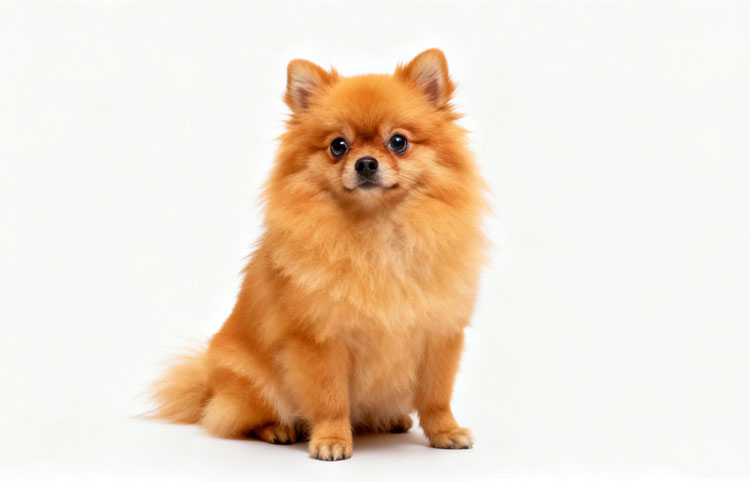
V. Pomeranian Grooming Methods
1. Daily Brushing
Pomeranians have a double coat: a thick, cotton-like undercoat and a long, straight topcoat. Once matted, tangles become extremely difficult to remove. Use a steel-tooth pin brush and a pad brush in a “two-step process” every morning and evening for 5-10 minutes.
First, use the steel-tooth comb to work through layers from the outer coat inward, detangling and removing dead hair—especially in high-risk areas like inner legs, the “pants,” and behind the ears.
Then, use the paddle brush to gently lift the fur in the direction of growth (“cloud brushing”) for a fluffy finish.
Brushing against the grain from tip to root will break hair. Always brush toward the skin and gently lift outward.
2. Bathing
Bath every 10-15 days—more frequent washing damages coat quality. Always detangle thoroughly beforehand, or knots will worsen during bathing.
Use pet-specific volumizing shampoo. Human shampoo is too alkaline and will dry out and harden the coat.
During the first shampooing, focus on dirty areas. For the second shampooing, work up a thick lather and push it from back to front to help lift the fur.
Conditioner is essential! Leave it on for 3-5 minutes before rinsing thoroughly for smoother fur.
Use a pet-specific dryer on low heat with high airflow. Blow against the grain with one hand while straightening with a pin brush in the other, working from roots outward until completely dry. Switch to cool air when 80% dry to set the style and enhance volume.
3. Routine Trimming
Paw pads: Trim into rounded “cat paw” shapes for slip resistance.
Butt area: Neatly trim the stool zone for hygiene.
Belly fur: Trim slightly flat to prevent urine soaking.
Ear edges: Use small scissors to shape into rounded triangles for a slimmer face appearance.
For professional styling, visit a reliable groomer every 3-4 months.
4. Daily Care
Heavy tear stains: Apply specialized tear stain powder once daily.
Ears: Clean weekly with cotton swabs and ear-cleaning solution.
Dietary Supplement: Add deep-sea fish oil and lecithin to promote shinier, oilier coat.
VI. Vaccinations and Deworming for Pomeranians
1. Puppy Vaccinations
First shot: Typically a 6-in-1 vaccine covering distemper, parvovirus, infectious hepatitis, parainfluenza, adenovirus, and leptospirosis.
Second 6-in-1 shot administered 21-28 days later.
Third 6-in-1 shot administered another 21-28 days later.
Final Dose: Rabies vaccine (administered after 3 months of age)
2. Adult Vaccinations:
Annual booster shot using either a 7-in-1 or 8-in-1 vaccine, covering distemper, parvovirus, infectious hepatitis, parainfluenza, etc.
Rabies Vaccine: Chinese law requires annual vaccination starting at 3 months of age. Either imported Rabies Vaccine or domestic brands are acceptable; Pomeranians rarely experience adverse reactions.
3. Internal Deworming
Puppies: Start at 28 days old, deworm every 2 weeks until 6 months old; thereafter, monthly.
Adult dogs: Every 3 months is sufficient. I use Bayer’s Baypet Clear—one tablet lasts a month, super convenient.
4. External Parasite Control
Recommended spot-on treatments: Big Dog Treasure, Frontline, or Super Trustworthy.
Apply monthly to the back of the neck. For dogs with thick fur, part the hair to apply directly to the skin.
High risk of ear mites: Monthly ear cleaning with ear solution and ear drops. Pomeranians have thick ear hair prone to trapping moisture and mites.
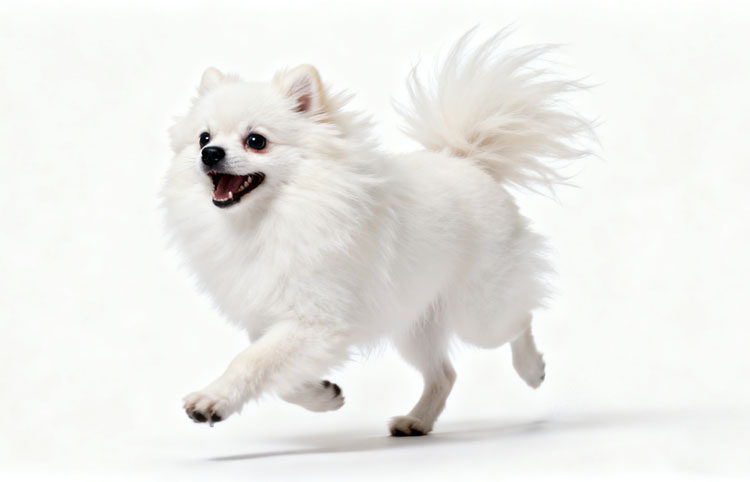
VII. Pomeranian Training Methods
1. Establish Rules Early
Pomeranians are masters of manipulation—show weakness once, and they’ll push boundaries. Set firm rules from day one:
Meal times and locations are fixed; never feed at the table.
Requires permission to join the sofa or bed. Without clear boundaries, correcting behavior later becomes exhausting.
2. Potty Training
For 8- to 16-week-old Pomeranians, take them to a pee pad or outside every 1-2 hours. Immediately after waking, eating, or playing, lead them to a designated spot. Praise excessively and reward with treats for success. Never scold for accidents; quietly clean up and use a bio-enzyme deodorizer. Consistent training for 10-14 days will establish basic potty location for 80% of Pomeranians.
3. Socialization
Frequently carry your puppy to diverse environments: pet stores, cafes, parks—but never set them down. Expose them to varied sounds and people. When strangers offer treats, they’ll associate “the outside world is wonderful.”
4. Basic Commands
Use one command per action—never switch between “sit” and “sit down.”
Reward immediately after each successful response. Use food rewards for the first 50 times, then gradually transition to verbal praise.
Train for 5-10 minutes daily, split into 3-4 sessions. Never train for 30 minutes straight.
5. Addressing Excessive Barking
90% of barking stems from boredom or seeking attention. Responding when it barks encourages more barking next time.
Correct Approach: Completely ignore it. Reward immediately after 2 seconds of silence. Consistent application for one week will show significant improvement. For doorbells, gradually replace the sound with the “Quiet” command paired with a reward.
6. Establishing Grooming Habits
Start daily brushing from puppyhood, using treats to make brushing feel like a massage. Apply the same approach to bathing, blow-drying, and nail trimming: start with a few seconds of forced compliance + generous rewards, gradually increasing duration. Most will eventually accept it without resistance.
VIII. Foods Pomeranians Must Avoid
1. Chocolate and Cocoa Products
Contain theobromine and caffeine, which are deadly toxins for dogs. Dark chocolate is most toxic—even 10-20g can cause rapid heartbeat, seizures, or sudden death in Pomeranians. Avoid white chocolate too, as its high fat content can trigger pancreatitis.
2. Grapes and raisins
The exact toxicity mechanism remains unclear, but even a few grapes can cause acute kidney failure in some dogs. For tiny Pomeranians, just 3-5 raisins can be lethal.
3. Onions, leeks, garlic, chives
Contain N-propyl disulfide, which destroys red blood cells and causes hemolytic anemia. Avoid all forms—raw, cooked, vegetable scraps, even onion powder. Symptoms include tea-colored urine and lethargy.
4. Xylitol
Causes insulin spikes followed by rapid blood sugar crashes, leading to unsteadiness, seizures, and coma. Just 1-2 pieces of gum can induce hypoglycemic shock in Pomeranians.
5. Avocado
Entire plant is toxic, containing persin that causes vomiting, diarrhea, and pericardial effusion.
6. High-Fat Foods
Fatty meats, fried chicken, cream cakes, hotpot meat slices… Pomeranians are extremely prone to acute pancreatitis; a single exposure may land them in the ICU.
IX. Common Health Issues in Pomeranians
1. Patellar Luxation
Pomeranians commonly experience “knee dislocation” in their hind legs. Mild cases show a limp, while severe cases cause sudden yelping and refusal to bear weight. Many puppies exhibit Grade 1-2 luxation, which may worsen to surgical necessity in adulthood. When selecting a puppy, prioritize those with parents that have undergone patellar screening.
2. Tracheal Collapse
Characterized by a “goose-like honking cough,” this condition often triggers during leash walks, excitement, or hot weather. Mild cases improve with weight management and a harness; severe cases may require tracheal stents. Collars are strictly prohibited!
3. Dental Issues
Common in small breeds, but particularly severe in Pomeranians. By age 3, they may develop full mouth tartar buildup, swollen red gums, bad breath, and tooth loss. Daily brushing is the most effective prevention—far more reliable than any supplements.
4. Heart Disease
One of the leading causes of death in middle-aged and older Pomeranians. Early stages show no symptoms, but later signs include coughing, fatigue, and abdominal fluid buildup. Regular auscultation and cardiac ultrasounds enable early detection; prompt medication can extend life by several years.
5. Alopecia
Particularly common in males. Starting around 2-4 years old, hair thins on the neck, hind legs, and thighs, with darkening skin—but no itching or pain. This isn’t a thyroid issue; it’s purely cosmetic. There’s no specific treatment currently, though neutering may sometimes help.
6. Hypoglycemia
Especially common in young Pomeranians aged 3-6 months, particularly very small teacup types. Skipping meals, stress, or exposure to cold can trigger sudden seizures and unconsciousness. Always keep honey water or nutritional paste on hand for immediate lifesaving treatment.
X. Pomeranian Pricing
Based on 2025 market rates, a standard pet-quality Pomeranian puppy typically ranges from $800 to $2,000. Common orange or cream-colored pets cost $1,000-$1,500. Ultra-miniature versions range from $2,000 to $6,000.
XI. Pomeranian Lifespan
Average lifespan: 12-16 years. With proper health care, Pomeranians commonly live past 15 years, with many reaching 18-20 years. One Pomeranian I know, “Milk Tea,” lived from 8 months to 18.5 years under its owner’s care. The secret: Maintained a steady weight of 6.4 lbs (2.8 kg) year-round, annual checkups included heart and dental exams, switched to heart-support prescription food after age 10, daily teeth brushing. Passed away peacefully of old age with a coat that remained glossy until the end.

-
Sale!
Washable Pet Cooling Pad for Cats and Dogs
Original price was: $10.99.$9.99Current price is: $9.99. This product has multiple variants. The options may be chosen on the product page -
Sale!
Washable Cat Window Hammock Cooling Bed
Original price was: $23.99.$22.99Current price is: $22.99. -
Sale!
Tropical Amphibian Rainforest Tank, Lizard Cage
Original price was: $38.99.$36.99Current price is: $36.99. -
Sale!
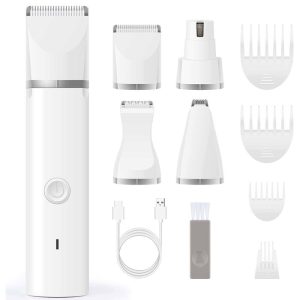
Silent 4-in-1 Waterproof Charging Dog Hair Trimmer
Original price was: $49.88.$47.99Current price is: $47.99.
