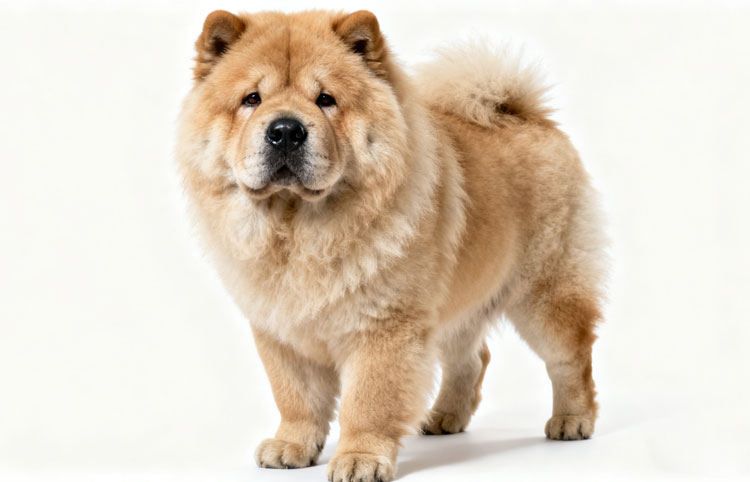
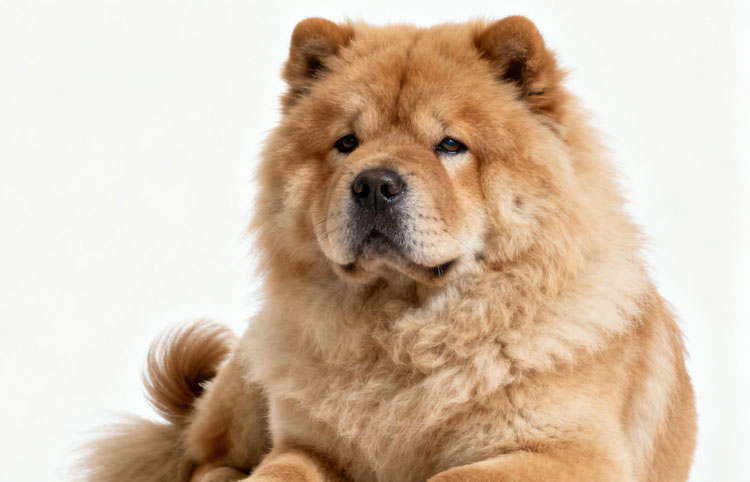
The Chow Chow is one of the world’s oldest dog breeds, with China recognized as its place of origin. Standing approximately 46-56 cm tall and weighing around 20-30 kg, it belongs to the stocky, muscular type. They have broad heads, small round ears, and exceptionally dense coats—especially thick, fluffy fur around the neck and shoulders. This creates a distinctive lion-like mane that gives them a majestic yet adorable appearance.
I. Advantages of the Chow Chow
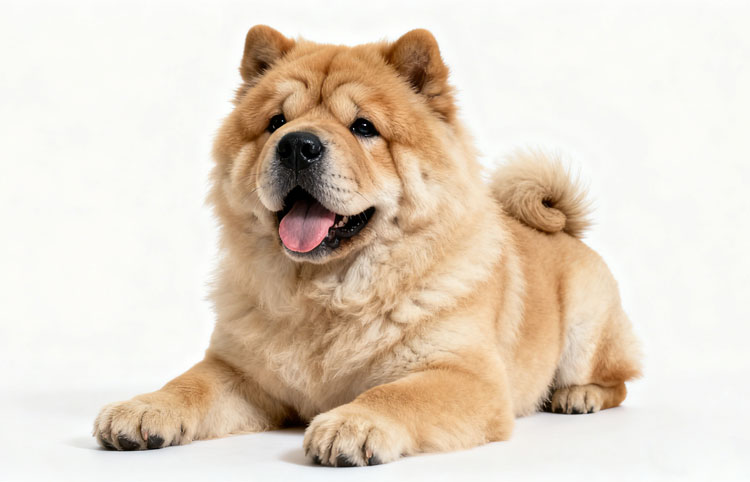
1. Unmatched Visual Appeal: With its fluffy coat, purple tongue, and stern square face, the Chow Chow effortlessly becomes an internet sensation in photos, drawing attention wherever it goes.
2. Superbly Loyal and Protective: Naturally wary of strangers, the Chow Chow excels at guarding homes. It rarely barks unnecessarily but transforms into a fierce guardian if intruders approach.
3. Independent and aloof: Unlike clingy breeds like Golden Retrievers or Labradors, Chow Chows prefer self-entertainment, giving you ample personal space—perfect for introverts or busy individuals.
4. Clean and fastidious: Naturally hygienic with minimal body odor, they even use the bathroom with precision. Many describe their graceful habits as cat-like.
5. Cold-weather tank: Their double coat acts like a natural down jacket in winter. They thrive in sub-zero temperatures, bouncing around happily even at -30°C in Northeast China.
II. Chow Chow Drawbacks
1. Extremely Difficult to Train: While intelligent, Chow Chows are stubborn as heck. They largely ignore anyone besides their chosen owner, making training entirely dependent on their mood. Forced methods backfire.
2. Significant Aggression: Highly wary of strangers and other dogs. Without proper socialization, they’re prone to fights—especially with same-sex dogs. Male Chow Chows often clash upon meeting.
3. Intense Shedding: During spring and summer molting seasons, they shed in clumps. Without central air conditioning and a robot vacuum, you’ll question your life choices.
4. Prone to Heatstroke: Their thick coat and short muzzle mean air conditioning is essential in summer. Avoid outdoor activities above 30°C (86°F) to prevent rapid heatstroke onset.
5. Health Risks: Common issues include hip and elbow dysplasia, entropion (eyelid inversion), and thyroid problems. Long-term medical expenses may be significant.
III. Chow Chow Care Guide
1. Coat Maintenance
As the most profuse double-coated breed, Chow Chows undergo two major seasonal sheds—spring and fall—transforming your home into a plush toy factory. Brush daily using a pin brush and comb, working from the skin outward layer by layer. Be patient when detangling mats. Bathe weekly with pet-specific shampoo to prevent skin issues. Ensure the coat is completely dried to the skin with a blow dryer; moisture trapped underneath can cause inflammation and rashes. In summer, consider trimming leg, belly, and hind leg hair while leaving the lion mane and tail intact for both comfort and aesthetics.
2. Exercise
Don’t be fooled by its bear-like appearance—this breed is incredibly lazy. A daily 30-50 minute walk suffices; more than that will tire it out. However, strictly limit exercise during puppyhood to protect developing joints, as Chow Chows are highly prone to hip and elbow dysplasia.
3. Diet
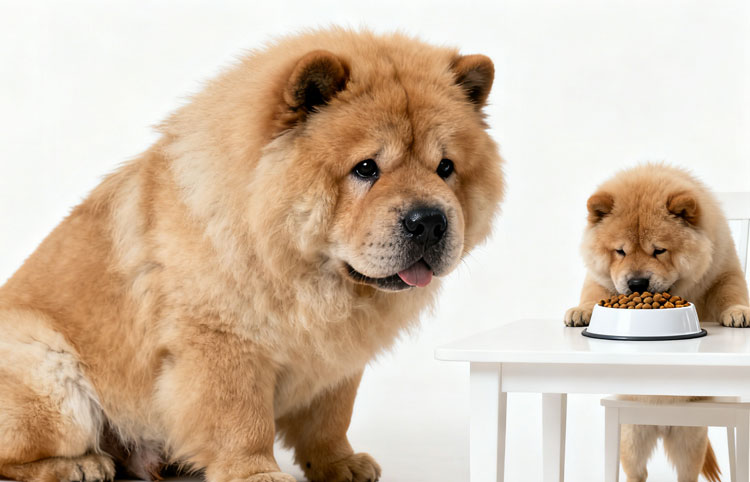
Chow Chows are extremely prone to obesity! Weight gain leads to a host of health issues. Choose high-protein, low-fat large or medium breed dog food. Feed twice daily with strict portion control! Adult dogs require approximately 80-120g of food per day. Snacks must be strictly limited. Consider feeding joint-supporting dog food year-round or supplementing with glucosamine + chondroitin + fish oil.
4. Temperament Training
Chow Chows possess innate territorial instincts, often appearing aloof or even aggressive toward strangers. The critical socialization period spans 36 months—expose them frequently to people and other dogs, rewarding positive interactions. They bond deeply with one primary owner, making command from others difficult. Therefore, involve the entire family in training from puppyhood to establish that “everyone holds a higher position than the dog.”
5. Common Health Issues
Eyes: Ectropion (outward-turning eyelids) and entropion (inward-turning eyelids) are common. Seek early treatment if tearing occurs.
Skin: Skin folds are prone to eczema. Address redness, hair loss, or odor immediately with bathing and medicated sprays.
Hypothyroidism: Sudden hair loss, cold sensitivity, or lethargy in adults may indicate this condition. Remember to get blood tests.
IV. Chow Chow Training Methods
1. Building the Relationship
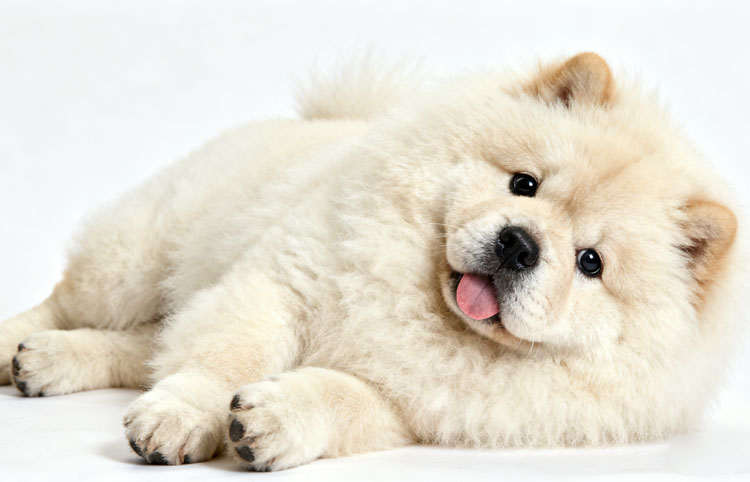
Chow Chows recognize a “leader,” not an “owner.” Establish trust from puppyhood through food, play, and affection. They’ll only work for you if they believe you’re worthy. Spending 10-15 minutes daily playing with them is 100 times more effective than forcing an hour of training.
2. Golden Training Period: 26 Months
This stage features peak curiosity and receptiveness. After 6 months, they enter a “teenage rebellious phase” where temper tantrums make training difficult. Missing this window doubles the effort later.
3. Core Principle: High-Value Rewards + Short, Frequent Sessions
Chow Chows dismiss ordinary dog food. Use irresistible treats like roasted chicken breast, beef chunks, or cheese as rewards. Each training session lasts 5-8 minutes, repeated 3-4 times daily—never overstay. If bored, they’ll tune out. Shorter sessions demand greater focus.
4. Master These 5 Commands First
① Name Recognition: Respond to name by looking at you, then reward with treats. Achieve within 10 days.
② Sit: The simplest command, establishing obedience fundamentals.
③ Stay: Controls impulsivity—more practical than “Down.”
④ Potty training: Chow Chows are extremely clean; they can hold it indoors for 2 months without needing outdoor breaks
⑤ Leash walking: Use a chest harness + high-value treats. Gradually change direction; if it pulls, stop immediately. Persistently work on this for 3 days to resolve it
5. Socialization
Chow Chows have a strong natural guarding instinct; without socialization, they may bark at every person they see. Expose them to diverse people, dogs, bicycles, and wheelchairs before 24 months using treats while reinforcing “the world is safe.” Missing this window requires tenfold effort to curb protective instincts later.
6. Punishment
Loud scolding or physical punishment only breeds stubbornness and resentment. At most, use time-out: ignore them for 30 seconds to 1 minute—far more effective than physical discipline.
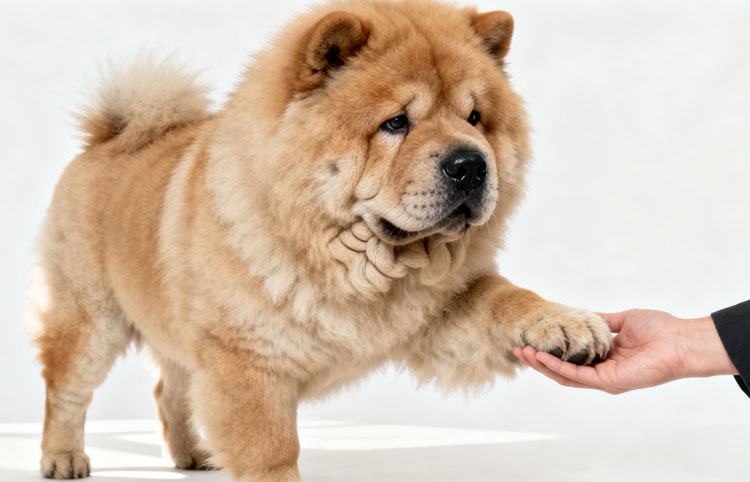
V. Chow Chow Grooming Methods
1. Bathing
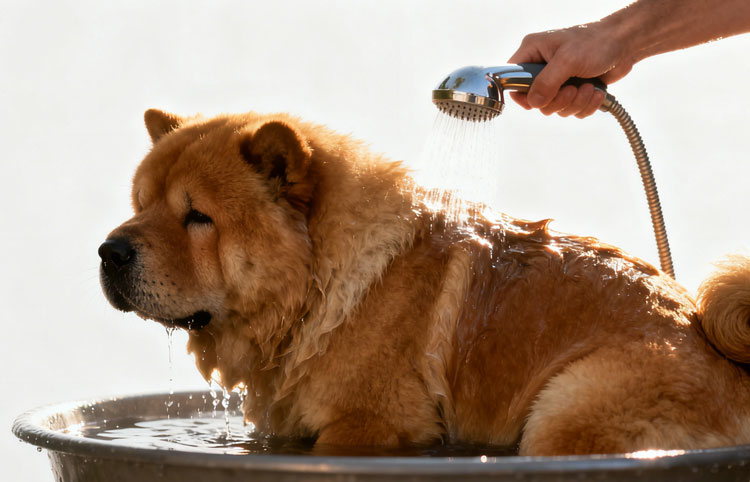
Adult Chow Chows require bathing only once a month; puppies every 3-4 weeks. Over-bathing damages the natural oil barrier, leading to dry, frizzy fur. Use specialized deep-cleansing and moisturizing dog shampoos—never human shampoo.
Bathing steps: Thoroughly wet → Lather low-foam shampoo to create rich foam → Focus on skirt, ruff, and tail → Rinse clean → Leave conditioner on for 3–5 minutes before rinsing. Incomplete rinsing is the primary cause of mats!
2. Blow-Drying
Chow Chows dread damp, matted fur—ensure 100% dryness! Use a high-powered pet dryer with a pin brush, blow-drying against the grain from bottom to top to lift the undercoat. Continue until skin feels completely dry and warm to the touch. Many owners cut corners by only drying the surface, leading to matted “felt” clumps within days.
3. Three Essential Brushes
Large-tooth comb: Detangles and loosens undercoat.
Slicker brush: Smoothes coat and removes loose hair.
Puff brush: Daily gentle tapping for added volume.
Thoroughly comb through 2-3 times weekly; during spring/summer shedding, do 10 minutes daily. Immediately trim any mats—never pull them out, or you’ll leave bald patches.
4. Key Areas
Paws: Trim into rounded “cat feet” shape—fur must not cover paw pads.
Buttocks: Trim into a rounded peach shape to prevent poop buildup.
Ear edges: Lightly trim for neatness.
Never shave the entire body short! Shaving a Shih Tzu transforms it from a lion to a groundhog, and the coat may never fully recover.
5. Minor Details
Wipe tear stains under eyes daily with specialized wipes. Clean ears weekly with ear-cleaning solution—Shih Tzu ear canals are prone to inflammation. Trim nails monthly; overgrown nails alter posture.
VI. Foods Chow Chows Should Not Eat
1. Chocolate, Cocoa Powder, Caffeine: Contain theobromine, causing vomiting, rapid heartbeat, and seizures upon poisoning. Dark chocolate is more toxic—never give in to temptation.
2. Grapes and Raisins: Even a few can trigger acute kidney failure. Symptoms often appear delayed—pets may seem fine initially but require emergency care days later.
3. Onions, Garlic, Leeks: Contain sulfides that destroy red blood cells, causing hemolytic anemia. Avoid raw, cooked, or even the broth.
4. Avocado: Contains persin. Entire plant is toxic, posing high risk of heart and lung edema.
5. Xylitol: Found in sugar-free gum, toothpaste, and many “sugar-free” treats. Even small amounts can cause hypoglycemia and liver failure. Extremely toxic.
6. Alcohol: Beer, cooking wine, spirits—even a single lick can cause fatal intoxication, respiratory suppression, and coma.
7. High-fat meats, fried foods, fatty cuts: Chow Chows are highly prone to pancreatitis. Consuming pork belly, fried chicken, or fatty beef slices from hotpot results in violent vomiting of yellow bile and writhing in agony.
8. Cooked bones: Easily splinter into sharp shards that can puncture intestines or cause blockages. Raw large bones are also unsafe—Chow Chows’ powerful chewing can fracture teeth or cause constipation.
9. Milk and dairy products: 90% of adult Chow Chows are lactose intolerant, leading to severe diarrhea and exhaustion.
10. Nuts: Characteristic symptoms include hind leg weakness, tremors, and classic poisoning signs.
VII. Selecting a Chow Chow
1. Inspect the parents, especially the mother
A Chow Chow’s temperament and health are 90% determined by bloodline. Always meet the mother dog in person. A calm, people-friendly mother who doesn’t bark excessively or lunge is generally reliable. If she barks wildly or cowers at your sight, walk away—this temperament will likely be inherited.
2. Solid Bone Structure and Build
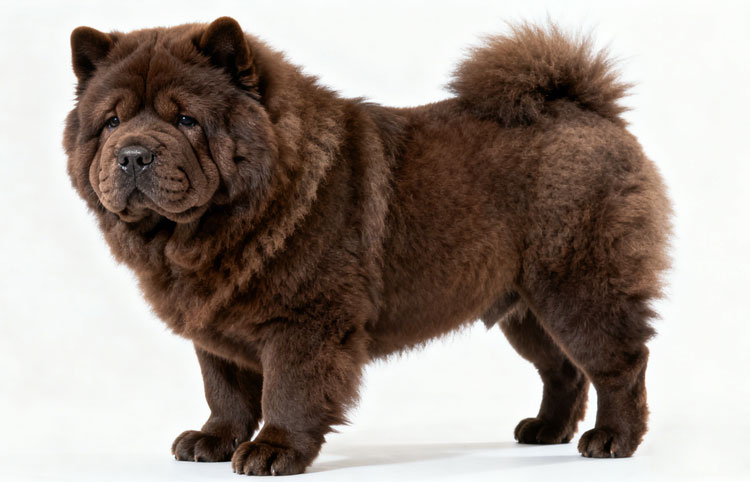
A truly high-quality Chow Chow is never “skinny as a rail.” A 23-month-old puppy should feel substantial in the hindquarters and thighs, standing like a miniature tank—with a large frame, broad chest, and rounded hindquarters. Dogs that are too lightweight often develop poor bone density as adults, appearing like “empty shells” despite thick fur.
3. Excessive fluffiness isn’t ideal
Many are dazzled by “explosive coats,” but overly puffy fur often indicates coarse texture and sparse undercoat, leading to snowstorm-like shedding. A quality Shih Tzu’s coat should be firm, resilient, and feel like running your hands through a steel wool pad—with a thick undercoat that doesn’t fly everywhere. Color matters less than coat quality.
4. Avoid extreme facial shapes
The current trend for “bun-shaped” or “flat-faced” dogs squeezes their eyes into slits, making them prone to eye diseases and heatstroke in summer. The standard Chow Chow should have a “horse-like face” with triangular eyes where the pupils are visible, giving them a slightly “proud” expression.
5. Seek an outgoing, friendly temperament
Ignore claims that “Chow Chows should be aloof.” A psychologically healthy puppy will wag its tail, approach people confidently, and show boldness. Dogs that cower, hide in corners, or tremble likely lack proper socialization—they may grow up fearful of strangers or even become food-guarding and aggressive.
6. Pay Attention to Health Details
The tongue must be pure blue-black. Hind legs should be straight, not cow-hocked. Puppies over 2 months old should ideally have received the 2-in-1 or 4-in-1 vaccine and have a vaccination record. Stools should be formed, not loose, and the puppy should be lively and alert, not lethargic.
VIII. Common Health Issues in Chow Chows
1. Hip and Elbow Dysplasia
As a medium-to-large breed, Chow Chows frequently inherit hip and elbow dysplasia. Mild cases show wobbly gait; severe cases cause hind leg lameness and pain-induced immobility. Always inspect parents’ OFA or PennHIP certificates before purchasing, and schedule regular adult X-ray screenings.
2. Eye Diseases
Ectropion (outward-turning eyelids) and cataracts are common in Chow Chows. Untreated ectropion causes constant corneal friction, leading to ulcers and blindness. Annual veterinary eye exams are essential—many owners only notice when their dog rubs its eyes in pain, by which point it’s often too late.
3. Hypothyroidism
Chow Chows are highly prone to hypothyroidism, presenting as sudden weight gain, excessive shedding, lethargy, and darkened skin. Blood tests for T4 and TSH confirm diagnosis. Lifelong treatment with levothyroxine tablets is required—cost-effective but necessitating continuous medication.
4. Skin Conditions & Allergies
Beneath their thick coats lies extremely sensitive skin, prone to chronic eczema, hot spots, and seborrheic dermatitis. Many owners dismiss this as “normal shedding,” but it’s often caused by fungal infections or mites. Over-bathing or using the wrong shampoo can worsen the condition. Use veterinary-grade shampoo and limit bathing to every 3-4 weeks.
5. Patellar Luxation
While not as severe as in toy breeds, patellar luxation is common in Chow Chows, especially obese dogs. Mild cases may be managed conservatively, while severe cases require surgery.
6. Extremely Poor Heat Tolerance
Short nose + thick coat = a recipe for heatstroke in summer. Many Chow Chows have succumbed to heatstroke because owners walked them without considering the weather. Avoid going out when temperatures exceed 30°C (86°F). Keep cooling mats and ice packs readily available at home.
IX. Chow Chow Pricing
Basic pet-quality dogs range from $800-$1500. Those with championship bloodlines or rare coat colors can reach $2000-$3000. Recent puppies listed on Puppies.com vary from $700 to $2550. “Bargains” under $500 are often backyard breeders or puppy mills, posing significant health risks. Prioritize AKC-certified breeders.
X. Chow Chow Lifespan
Most healthy Chow Chows commonly live 12-14 years. With good care and luck, some reach 15+ years, though exceeding 15 truly qualifies as a “senior citizen.”

-
Sale!
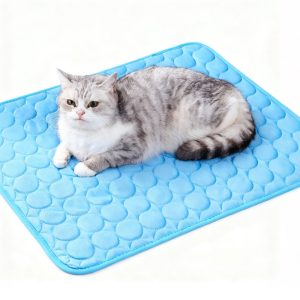
Washable Pet Cooling Pad for Cats and Dogs
Original price was: $10.99.$9.99Current price is: $9.99. This product has multiple variants. The options may be chosen on the product page -
Sale!
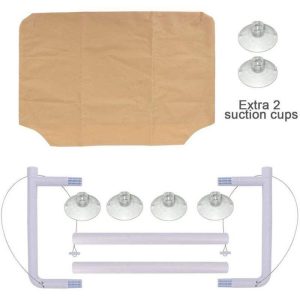
Washable Cat Window Hammock Cooling Bed
Original price was: $23.99.$22.99Current price is: $22.99. -
Sale!
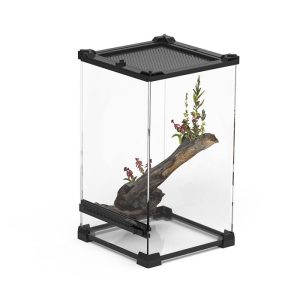
Tropical Amphibian Rainforest Tank, Lizard Cage
Original price was: $38.99.$36.99Current price is: $36.99. -
Sale!
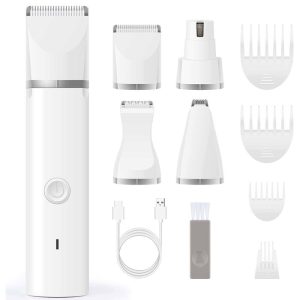
Silent 4-in-1 Waterproof Charging Dog Hair Trimmer
Original price was: $49.88.$47.99Current price is: $47.99.
