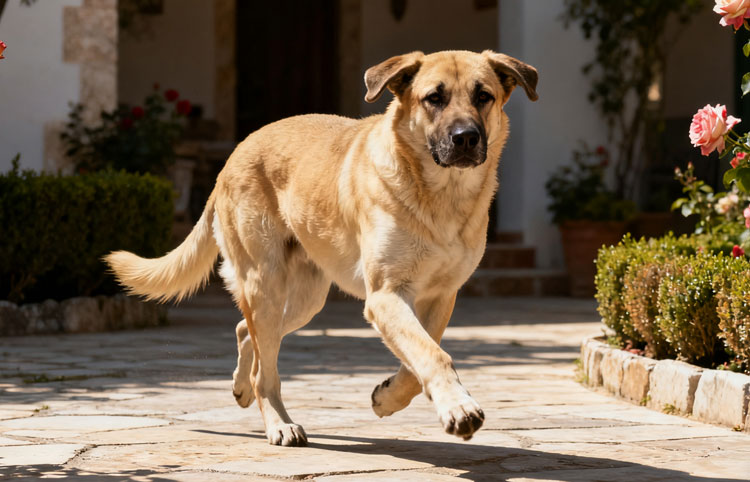
The Anatolian Shepherd, originating from Turkey, has traditionally been used to assist shepherds in guarding flocks and pastures. Anatolian Shepherds possess keen senses of smell and hearing, strong territorial instincts, and an exceptional protective drive toward their owners and property. They excel at herding, both gathering flocks and defending them against predators. These dogs demonstrate unwavering loyalty to their handlers and remarkable courage, never retreating in the face of danger.
The Anatolian Shepherd boasts a robust physique with a sturdy build and a somewhat rugged appearance, yet moves with agility and abundant strength, demonstrating exceptional endurance. They possess substantial bone structure and a relatively large head, moving with a steady gait that conveys a solid, dependable presence. Their double coat features a dense, soft undercoat and an outer layer with two variations: short hair, approximately 1 inch in length, or coarse hair reaching up to 4 inches.

I. Anatolian Shepherd Price
If the dog only has basic information about its parents, no pedigree certificate, no competition awards, and no formal breeding records, purchasing it as a puppy domestically would cost around $1,200 or more. If it has a pedigree certificate and competition awards, the price starts at $1,500 per dog. Exceptionally well-bred specimens can fetch up to $20,000.
II. Anatolian Shepherd Lifespan
Large breeds generally don’t live very long, with most reaching only 10 to 12 years. Anatolian Shepherds fare slightly better, averaging 11 to 13 years. With attentive care and scientifically sound husbandry, they may live even longer.
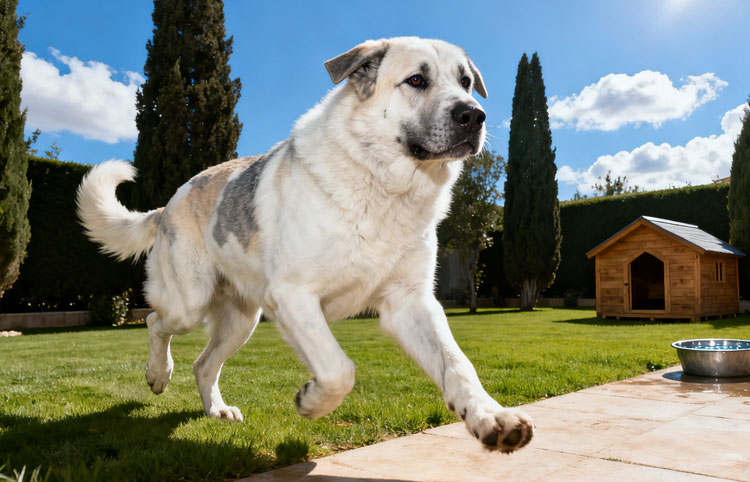
III. Advantages of the Anatolian Shepherd
1. Steady Temperament, Unflappable: Anatolian Shepherds possess a calm disposition. External disturbances rarely affect them, and they seldom become sensitive or agitated over minor matters.
2. Low incidence of genetic disorders: With minimal human intervention in their ancestral breeding, Anatolian Shepherds descended from natural reproduction. This heritage makes them less prone to genetic ailments and contributes to their consistent temperament—free from sudden mood swings.
3. Quick Adaptability: With proper training and frequent socialization, Anatolian Shepherds adapt swiftly to new environments and bond rapidly with their owners. Once familiar, they become exceptionally devoted to their humans and display friendly behavior toward people.
4. Strong Protective Instincts: As a sheepdog breed, they possess innate alertness and keen observation. They provide excellent protection for household members, whether adults or children.
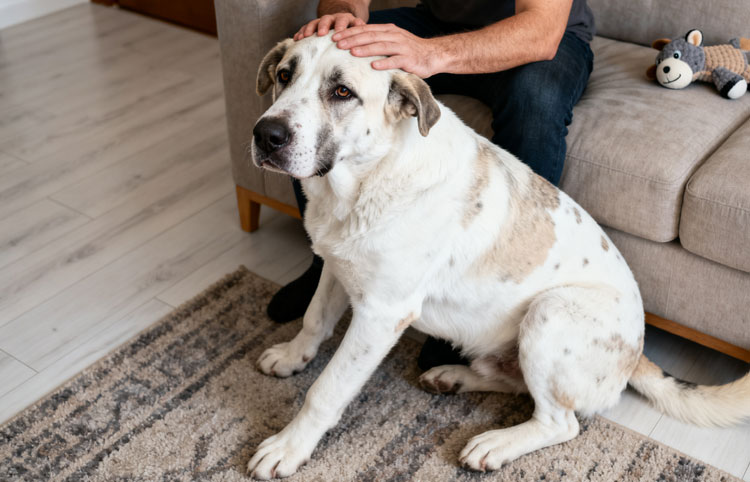
IV. Drawbacks of the Anatolian Shepherd
1. Potential for Overprotectiveness: Due to its deep devotion to its family, it may sometimes become overly protective. This can lead to conflicts or fights when encountering other dogs.
2. Room for Improvement in Social Skills: While it gets along well with its owner and in familiar settings, it adapts slowly to new situations and new companions. Owners must be patient, gradually teaching them to interact with the outside world—this cannot be rushed.
3. Strong independence: This dog has a mind of its own and may disobey commands or act out. If not managed properly, it may treat the home as its territory, causing disturbances.
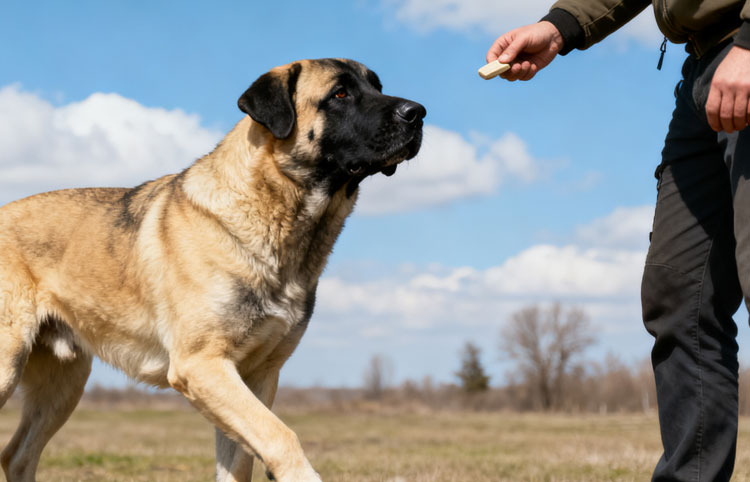
V. Anatolian Shepherd Care
1. Never let the Anatolian Shepherd walk ahead of you; train it to walk on your left side. During daily walks, vary the time and route whenever possible. Avoid sticking to the same path so it can explore new sights.
2. Teach it proper etiquette to ensure it’s accepted by strangers and other dogs. Avoid spoiling it like a child—maintain firm discipline where needed to foster good relationships.
3. If you see it trying to pick something off the ground to eat, stop it immediately. If it ingests something rotten or poisonous, you’ll be in trouble. As soon as it starts to lower its head to pick something up, tighten the leash. Avoid making eye contact, as this might make it more stubborn.
4. Teach it to recognize mealtimes and associate its bowl with feeding.
5. When switching its food, don’t replace everything at once. Mix half new food with half old food for the first two to three days. Gradually increase the new food over a week before switching completely. This allows its digestive system to adjust.
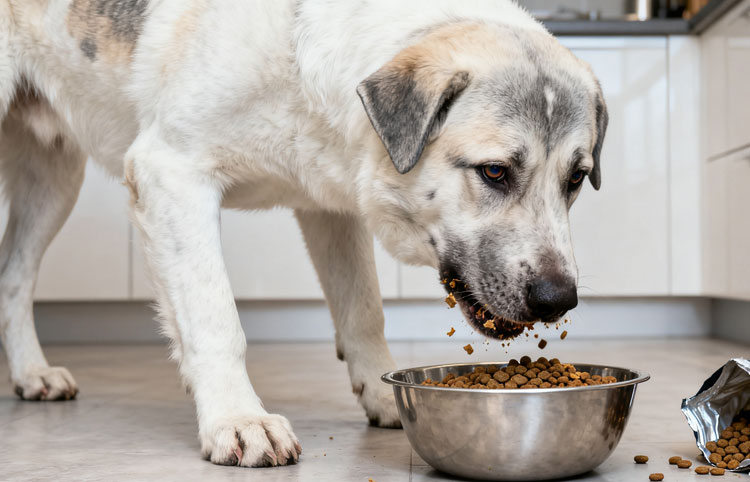
VI. Key Points for Feeding the Anatolian Shepherd
1. Feeding Management
(1) Fixed Schedule & Portions: Meal times can align with your routine but must be consistent in timing and quantity. Avoid overfeeding—aim for 70% fullness. Excessive portions may cause vomiting and digestive discomfort.
(2) Food Selection: Feed puppy-specific formula softened with warm water during early stages. Switch to large breed adult formula as they mature. Avoid raw meat, as it may cause parasites and potentially increase biting tendencies in Anatolian Shepherds.
(3) Nutritional Supplements: Anatolian Shepherds grow large and rapidly. You may add nutritional supplements like calcium powder to their meals occasionally, but always consult your veterinarian first—never add supplements without professional guidance.
2. Daily Care
(1) Hygiene: Wash food bowls immediately after meals to prevent leftover food from attracting pests. Clean litter boxes regularly to maintain a clean home environment.
(2) Moderate Exercise: Take your Anatolian Shepherd for a walk after meals to aid digestion and build stamina. Avoid vigorous running or jumping immediately after eating, as this may cause vomiting.
(3) Diet Transition: Switching food must be done gradually. Start with half the new food mixed in, slowly increasing the proportion over time. Sudden changes can upset their stomach and lead to diarrhea.
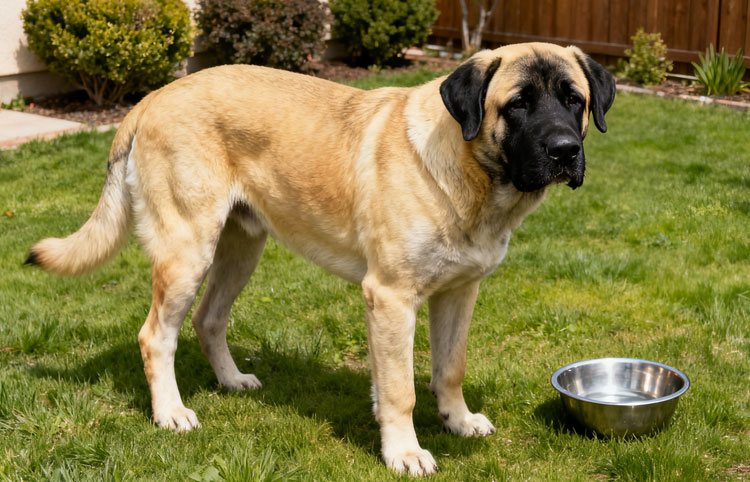
VII. Foods Anatolian Shepherds Should Avoid
1. Milk contains lactose, which most dogs cannot digest. Giving milk to an Anatolian Shepherd may cause vomiting, stomach pain, diarrhea, weakness, and other health issues. If you wish to offer dairy, choose lactose-free milk or goat’s milk instead, as these are safer options.
2. The theobromine in chocolate is extremely dangerous for Anatolian Shepherds, potentially causing heart problems and even death. Small amounts may cause vomiting and diarrhea, while larger quantities can damage the nervous system and heart, proving fatal. Keep chocolate completely out of reach.
3. Some dogs are allergic to grapes, which can trigger kidney failure—particularly severe for Anatolian Shepherds. For safety, avoid giving them grapes altogether.
4. Raw yeast dough produces alcohol as it ferments. If consumed, it can intoxicate Anatolian Shepherds, causing alcohol poisoning. Alcohol damages their brain and liver. Moreover, the expanding dough can cause severe abdominal distension, potentially impairing breathing and mobility.
5. Avocados contain a substance called persin, which Anatolian Shepherds cannot digest. Consumption can damage internal organs and may cause vomiting, diarrhea, or seizures. Therefore, never feed avocados to your Anatolian Shepherd. Additionally, avocado pits are toxic and should never be chewed by your dog.
6. Consuming xylitol causes the Anatolian Shepherd’s body to rapidly secrete large amounts of insulin, leading to a drastic drop in blood sugar. This can result in poisoning and even liver cirrhosis. Ingesting significant amounts can be fatal. Always store xylitol products securely out of your dog’s reach.
7. Raw meat not treated for parasites is rife with worms and bacteria. Feeding it to an Anatolian Shepherd can cause gastrointestinal distress and potentially damage their immune system. While some owners prefer feeding raw meat and bones, raw meat must be frozen for at least two weeks to kill parasites in the meat, organs, and bones before it’s safe to consume.
8. Chives are highly irritating to dogs. Consumption can cause gastroenteritis, leading to vomiting, diarrhea, excessive drooling, and even impaired sense of smell. Avoid feeding chives to your dog.
9. Raw eggs that haven’t been properly processed carry numerous bacteria and parasites. Moreover, a protein in raw eggs destroys vitamin H, which is essential for a dog’s growth and overall health. A deficiency in vitamin H can negatively impact their well-being. Therefore, raw eggs should never be fed to dogs.
10. Anatolian Shepherds cannot consume overly salty foods. Human meals are unsuitable, as they contain excessive oil and salt—far more than dogs require. Long-term consumption can cause hair loss and kidney problems. When feeding your dog, ensure a balanced diet while prioritizing low-salt, low-fat options.

VIII. Training the Anatolian Shepherd
1. Basic Training
First, expose the Anatolian Shepherd to various environments to build socialization skills. Then teach simple commands like sit, stay, come, and heel. Mastering these ensures immediate obedience and household safety.
2. Socialization Training
Anatolian Shepherds are naturally vigilant and instinctively wary of strangers and other animals. To train them as guard dogs, they must first learn to interact with the outside world. Expose them to strangers and other animals frequently. Gradual exposure reduces the likelihood of misidentifying people or biting indiscriminately.
3. Household Rules
When training your Anatolian Shepherd for guarding duties, establish clear boundaries. Teach it what behaviors are permitted and which are not. For instance, prohibit chewing household items, running recklessly, or excessive barking, as these actions can compromise home safety and hygiene.
4. Basic Protection Training
Anatolian Shepherds possess innate guarding instincts, but they require training in fundamental protective skills. Teach them to bark as a warning when people or other animals approach. If the threat persists, train them to defend and protect household members.
5. Continuous Training
Teaching an Anatolian Shepherd to guard isn’t a one-time task—it requires ongoing practice to sharpen its skills and quicken its response. During training, monitor its physical condition and mood; avoid overdoing it to prevent exhaustion or fear.
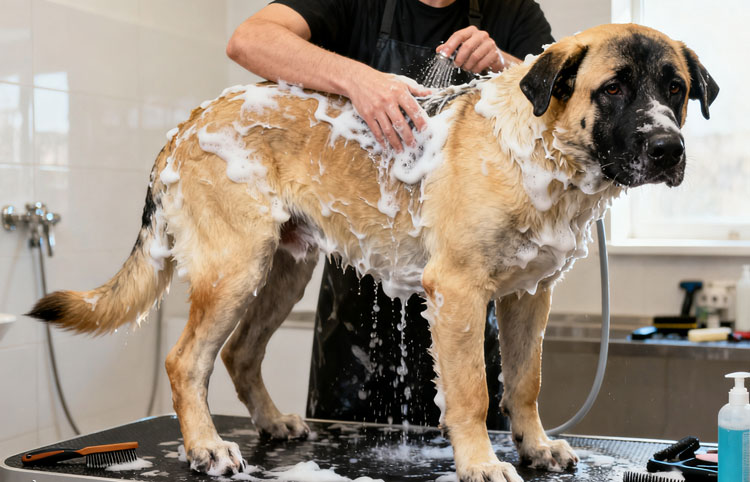
IX. Anatolian Shepherd Grooming
1. Brushing
Most Anatolian Shepherds tolerate brushing well. Regular grooming promotes healthier, smoother coats. Select brushes based on coat type:
Long-haired dogs require daily brushing to prevent matting.
Medium-haired dogs need at least weekly brushing to avoid tangles.
Short-haired dogs benefit from monthly brushing.
2. Nail Trimming
Anatolian Shepherds generally dislike having their nails trimmed or cleaned. Exercise extreme caution during the first nail trim—injuring them may cause lifelong fear of nail care. To prevent this, learn proper trimming techniques, such as by observing a professional groomer. Most purebred Anatolian Shepherds require monthly nail trims to maintain healthy paw pads.
3. Bathing
Bathing this dog can be quite a task for both dog and owner—they may splash water everywhere and get themselves dirty. However, with repeated training, they’ll become more cooperative. Most Anatolian Shepherds only need bathing once a month, though weekly bathing is also acceptable. Use pet-specific shampoo and first understand your dog’s skin and coat condition—ideally consult a veterinary groomer to select suitable products.
4. Ear Care
Anatolian Shepherds’ ear canals are particularly prone to bacterial growth, which can lead to infections. If ears are healthy, monthly cleaning suffices; if uncomfortable, clean more frequently. Dogs with floppy ears or long ear hair have poorly ventilated ear canals, making them more prone to bacterial growth and requiring extra attention. If you notice debris in the ears or a foul odor, clean them using specialized ear cleaners or medications.

X. Common Health Issues in Anatolian Shepherds
1. Rabies is a viral disease typically transmitted by animals like dogs. It causes fever, excessive drooling, and weakness in the legs, making walking difficult. Without prompt treatment, the dog will not survive.
2. Skin diseases are caused by bacteria, fungi, or parasites. They usually cause itching, redness, and hair loss in Anatolian Shepherds. Treatment requires identifying the specific cause before administering appropriate medication.
3. Common parasites in Anatolian Shepherds include roundworms, hookworms, and tapeworms. These parasites can cause intestinal inflammation and malnutrition, necessitating early prevention and treatment.
4. Common eye conditions in Anatolian Shepherds include conjunctivitis, keratitis, and cataracts. These cause eye inflammation and redness, with severe cases potentially leading to blindness. Prompt veterinary care is essential.
5. Otitis (ear infections) stem from bacteria, fungi, or parasites, causing itchy, red ears with discharge. Untreated infections worsen over time and may result in hearing loss.
6. Stomatitis, caused by bacteria or viruses, results in red gums, bad breath, and loss of appetite. Untreated, it can lead to mouth sores and loose teeth.
7. Dental caries, caused by oral bacteria, turns teeth black and creates brown spots. Neglected cases cause toothaches and tooth loosening.
8. Arthritis results from joint injury or inflammation, causing joint pain, swelling, and limited mobility. Early treatment is crucial to prevent joint dysfunction.
9. Liver disease indicates liver dysfunction, causing dogs to lose appetite, vomit, and experience diarrhea. Untreated, it can progress to liver failure.
10. Distemper is a common viral disease affecting dogs’ respiratory, digestive, and nervous systems. Symptoms include difficulty breathing, coughing, nasal discharge, fever, diarrhea, and vomiting.

-
Sale!
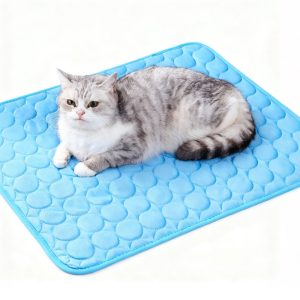
Washable Pet Cooling Pad for Cats and Dogs
Original price was: $10.99.$9.99Current price is: $9.99. This product has multiple variants. The options may be chosen on the product page -
Sale!

Washable Cat Window Hammock Cooling Bed
Original price was: $23.99.$22.99Current price is: $22.99. -
Sale!
Tropical Amphibian Rainforest Tank, Lizard Cage
Original price was: $38.99.$36.99Current price is: $36.99. -
Sale!

Silent 4-in-1 Waterproof Charging Dog Hair Trimmer
Original price was: $49.88.$47.99Current price is: $47.99.
