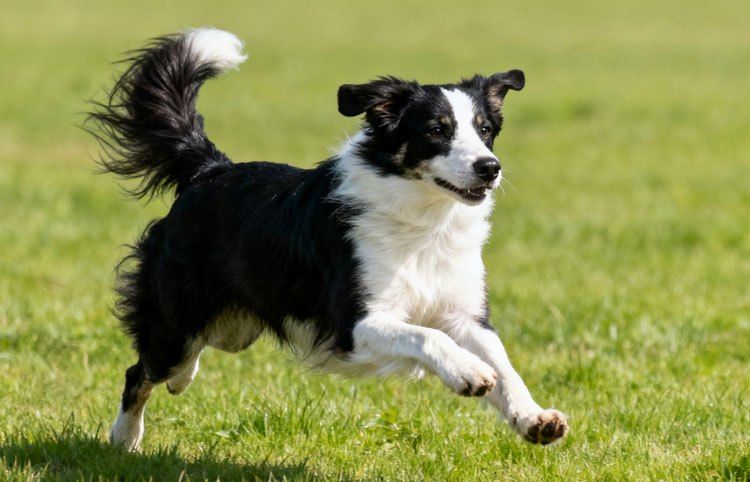
The Australian Shepherd possesses outstanding herding and guarding abilities, making it an excellent working dog breed. As a companion, this dog is highly loyal, possesses the stamina to work tirelessly around the clock, and has a gentle, well-balanced temperament. In 1991, the breed was included in the AKC’s Pedigree Registry, and in January 1993, it was added to the Herding Group.
I. Physical Characteristics of the Australian Shepherd
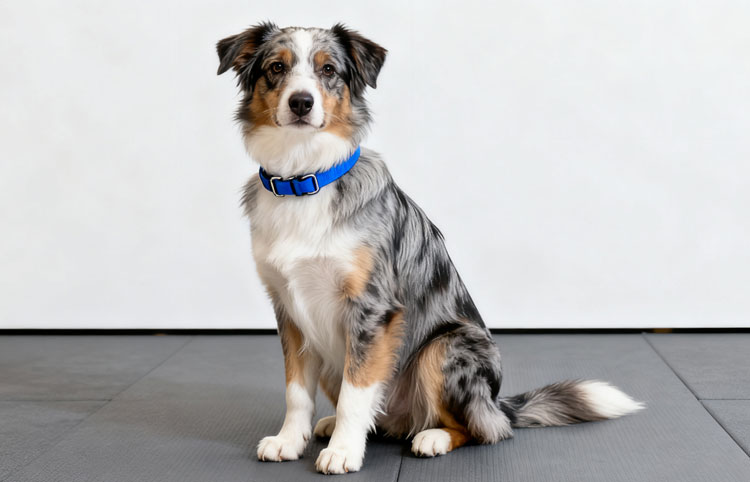
The Australian Shepherd exhibits a smooth, natural, and light gait. In motion, it demonstrates agility, excellent balance, and strong obstacle-clearing ability. While moving, both front and hind legs maintain a vertical posture, parallel to the body’s midline. As speed increases, all four limbs gradually converge toward the dog’s center of gravity, while the back remains consistently level and stable. This breed reacts with remarkable agility, capable of swiftly changing direction or adjusting gait.
II. History of the Australian Shepherd
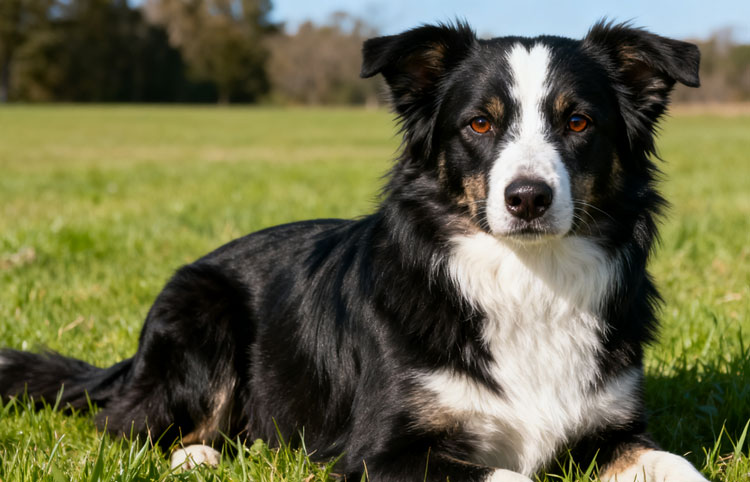
The Australian Shepherd originated in the United States, with its breed development tracing back to the 19th century. Despite the “Australian” in its name, the breed was primarily developed in the United States. Its lineage traces back to Collies, with the earliest bloodlines originating from France and the Basque region of Spain. It excels in herding and guarding roles, demonstrates exceptional ability in search and rescue operations, and is widely recognized for its high level of obedience.
III. Australian Shepherd Lifespan
The average lifespan of an Australian Shepherd ranges from 12 to 15 years, though some individuals may live shorter lives, potentially only 8 to 10 years. Statistics indicate that approximately 30% pass away due to cancer or cancer-related illnesses.
IV. Australian Shepherd Price
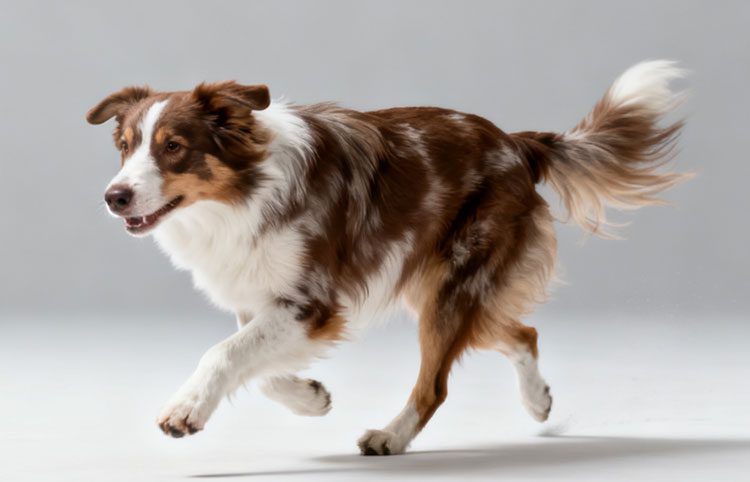
Standard-quality Australian Shepherds typically cost between $225 and $297. Higher-quality individuals range from $297 to $630. Dogs with premium pedigrees exceed $630. Those with rare coat colors command a 30% to 50% premium on top of these base prices.
V. Advantages of the Australian Shepherd
1. High Intelligence: Australian Shepherds rank highly in canine intelligence, quickly grasping owners’ intentions and executing commands.
2. Strong Work Ethic: Possess exceptional working ability and endurance, making them suitable for herding sheep, cattle, and other tasks.
3. Alertness: Maintain necessary vigilance toward strangers, making them reliable guard dogs.
4. Adaptability: Thrives in diverse environments, demonstrating strong acclimation skills.
5. Sociability: Excels at forming bonds with humans and other animals, making it an ideal family companion.
VI. Drawbacks of the Australian Shepherd
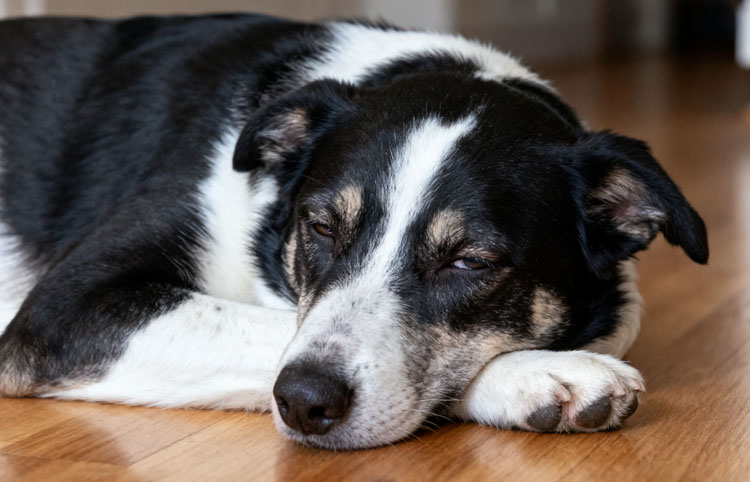
1. High Exercise Needs: Due to its energetic nature, the Australian Shepherd requires ample space and activity time. Unmet exercise needs may lead to behavioral issues.
2. Potential Conflict with Other Dogs: May exhibit tension when sharing living spaces with other dogs, often linked to their stubborn disposition.
3. Special Dietary Needs: Requires careful attention to dietary health to prevent health issues from improper feeding, such as hemorrhagic enteritis caused by meat-only syndrome.
4. Strong Territorial Instinct: Shows significant aggression toward perceived intruders entering their territory, making them unsuitable for all living environments.
VII. Australian Shepherd Care Guide
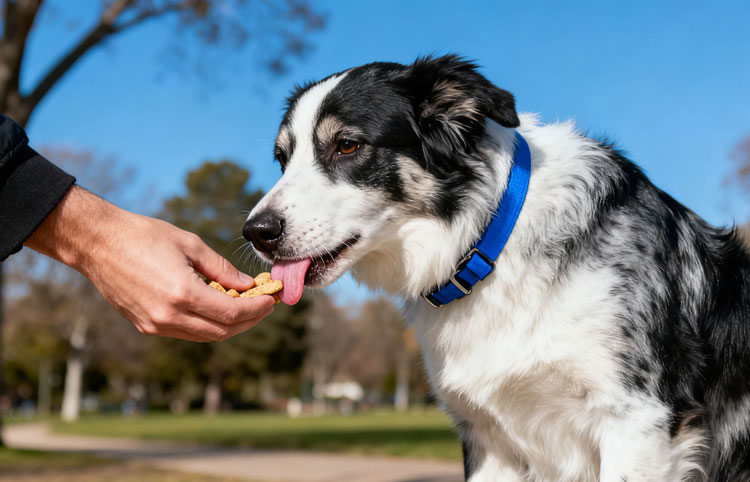
1. Puppy Stage (2-12 months): Choose a medium-breed puppy food with 28%-32% protein content. Feed 3-4 times daily, with each portion consumed within 15 minutes.
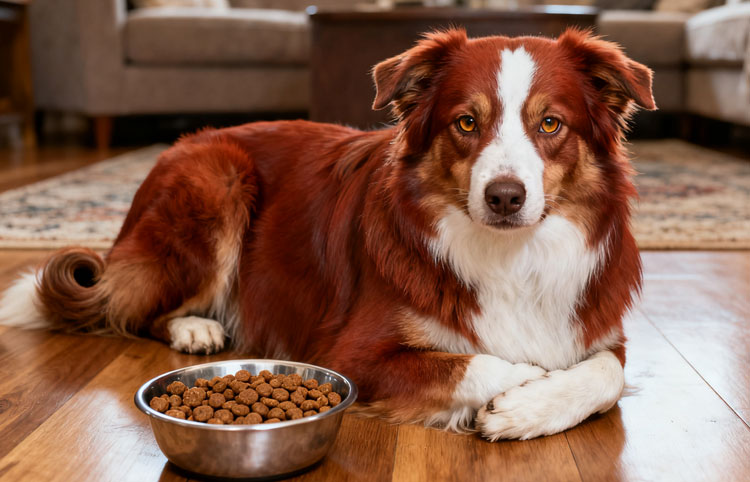
2. Adult Stage (1-8 years): Switch to a medium-sized adult dog food with a protein content of 25%-28%. Small amounts of fresh ingredients may be added, but these should not exceed 10% of the total daily food intake. Feed twice daily, consistently in the morning and evening.
3. Senior Stage (8+ years): Opt for low-fat, high-fiber senior dog food to reduce strain on kidneys and joints. Consider supplementing with chondroitin. Feed twice daily, reducing portion size by 10%-15% compared to the adult stage.
4. Dog food typically has a long shelf life, but many owners fail to reseal it after purchase, leaving it exposed to air. Especially during rainy seasons, food can spoil even within its expiration date. Immediately discontinue feeding if spoilage is detected. The optimal storage method is airtight sealing.
5. Kennels must remain dry, sanitary, and well-ventilated. Clean kennels daily and perform thorough disinfection weekly. Disinfection methods include UV light irradiation or chemical agents. Wash dog dishes after each use and disinfect weekly with chemical soaking. Provide ample clean drinking water, changed daily.
VIII. Foods Australian Shepherds Should Not Eat
1. Chocolate / Cocoa Products: Contain the compound theobromine, which damages the Australian Shepherd’s heart and nervous system. Common symptoms include vomiting, seizures, and irregular heartbeat. Severe cases can lead to death within 24 hours.
2. Grapes / Raisins: May cause acute kidney failure. No definitive toxic dose exists; some Australian Shepherds exhibit reduced urination and lethargy after consuming just a few grapes. No specific antidote exists for this poisoning.
3. Onions / Garlic / Leeks: Contain sulfides that destroy canine red blood cells, causing hemolytic anemia. Symptoms include dark urine, jaundiced skin, and weakness, with toxic effects potentially appearing days later.
4. Xylitol: Commonly found in sugar-free gum and baked goods, it causes rapid drops in blood sugar and liver damage. Some dogs may experience hypoglycemic seizures within 10 minutes of ingestion, requiring immediate emergency treatment including induced vomiting and IV fluids.
5. High-salt foods: Such as cured meats, pickled vegetables, and processed treats. These increase kidney strain, trigger hypertension and hair loss, and may cause tear staining.
6. High-sugar, high-fat foods: Like cakes, fried foods, and fatty meats. These easily lead to obesity, which can induce pancreatitis and diabetes while increasing the risk of hip dysplasia.
IX. Australian Shepherd Grooming Steps
1. Coat Care: Brush 2-3 times weekly, increasing to daily during spring and fall shedding seasons. Begin brushing at the neck, working systematically from front to back and top to bottom. Start with the neck and shoulder area, then proceed to the back, chest, waist, abdomen, hindquarters, head, and finally the limbs and tail. Complete one side before moving to the other.
Brushing Technique: Swiftly brush in the direction of hair growth. Some owners only brush the surface coat of long-haired dogs, neglecting the undercoat. The undercoat is fine, soft, and dense; prolonged neglect can lead to matting, potentially causing eczema, ringworm, or other skin conditions. Therefore, when grooming long-haired dogs, brush layer by layer, lifting the outer coat to thoroughly comb the undercoat.
Brush Types: Common tools include a soft brush, a flexible wire brush, and a long-toothed metal comb. A soft brush only maintains the fluffiness of the outer coat tips and cannot reach the undercoat. When grooming long-haired dogs, use a combination of the soft brush, flexible wire brush, and long-toothed metal comb.
Regarding trimming, only trim hair on paw pads, around the anus, and stray hair inside the ears to avoid disrupting the dog’s natural coat. For long-haired Australian Shepherds, trimming the tail tip and leg hair is acceptable for neatness.
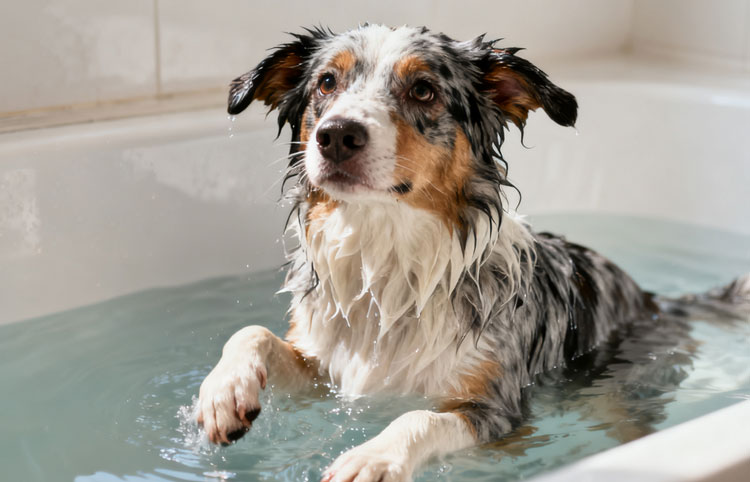
2. Bathing: Bathe once every 1-2 months. Excessive bathing can strip the skin’s natural oils.
Product Selection: Use pet-specific shampoo. Thoroughly blow-dry the coat afterward, paying special attention to moisture-prone areas like the armpits and groin to prevent dermatitis.
3. Australian Shepherds’ ears are prone to accumulating debris and developing otitis media. Clean them weekly with pet ear-cleaning solution and gently wipe away wax. Trim nails every 2-3 weeks to prevent overgrowth affecting mobility. Cut nails 1-2 millimeters before the quick. For dental care, brush teeth 2-3 times weekly with pet toothpaste and provide dental chews regularly.

X. Parasite Control for Australian Shepherds
1. External Parasite Control: Administer monthly, year-round. Australian Shepherds frequently engage in outdoor activities, exposing them to parasites like fleas, ticks, and lice in grass and soil. These parasites not only feed on the dog’s blood but may also transmit skin and blood-borne diseases. Choose between spot-on treatments or collars. Apply spot-on treatments between the shoulder blades. Adjust collars for proper fit and regularly inspect the skin where the collar rests.
2. Internal Deworming: Administer every 3 months, adjusting frequency as needed. Internal deworming targets parasites like roundworms, tapeworms, and heartworms. Puppies can begin their first internal deworming at 6 weeks of age, followed by three consecutive treatments. After that, switch to every 3 months. If your Australian Shepherd frequently eats raw meat or hunts outdoors, shorten the deworming interval to every 2 months.
XI. Training the Australian Shepherd
1. 3-6 Months Old
Command Establishment: Begin with simple commands like “Sit,” “Down,” “Stay,” and “Come.” Keep each training session under 10 minutes, repeating 2-3 times daily. Use treats or toys as rewards. Wait for the dog to complete the action before offering the reward.
Socialization Training: Frequently expose the dog to diverse environments like parks and streets, and encourage interaction with other pets and strangers to reduce stress responses.
2. After 6 Months of Age
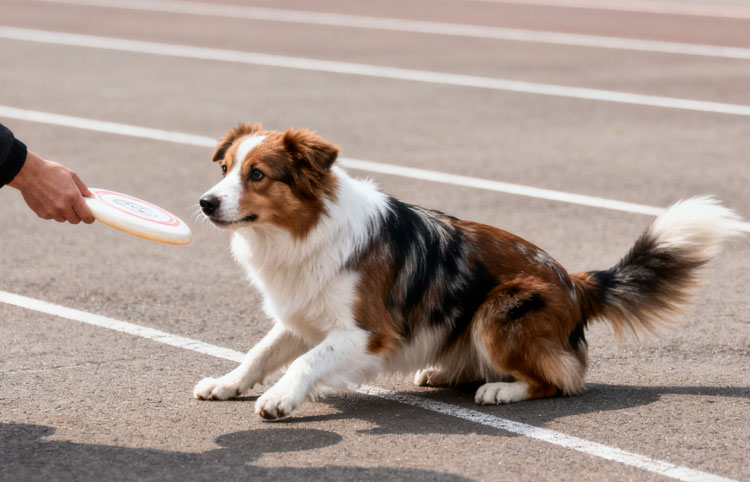
Energy Management: Australian Shepherds require 1-2 hours of daily exercise. Combine training with activities like disc throwing or agility courses. This approach both expends the dog’s energy and reinforces command obedience, effectively addressing issues like destructive behavior and excessive barking.
Focus Training: Enhance the dog’s concentration through exercises like “leave it” and “stay.” For example, place food in front of the dog, give the “stay” command, and prohibit eating until permission is given, gradually increasing the waiting time.
XII. Health Concerns for Australian Shepherds
1. Eye Diseases: This is the most critical health issue for Australian Shepherds. Common conditions include cataracts, retinal dysplasia, and progressive retinal atrophy (PRA). PRA may cause gradual blindness in adulthood. It is recommended to schedule an eye examination during puppyhood, followed by annual check-ups in adulthood. Early detection allows for medication or surgery to slow disease progression.
2. Hip Dysplasia: As a medium-sized breed, Australian Shepherds are prone to this condition due to genetic factors or improper exercise during puppyhood. Affected dogs may exhibit lameness or difficulty standing, with severe cases requiring surgical intervention. Hip scoring can be performed between 4-6 months of age. Avoid allowing puppies to run or jump vigorously on hard surfaces during daily care.
3. Skin Issues: The Australian Shepherd’s double coat easily traps dirt. Inadequate grooming or improper diet may trigger dermatitis, eczema, or fungal infections. Symptoms include reddened skin, hair loss, and localized itching. Owners should bathe them regularly with pet-specific shampoo (every 1-2 months), thoroughly dry the coat afterward, identify potential allergens, and feed hypoallergenic dog food.
4. Gastrointestinal Issues: Some Australian Shepherds have sensitive digestive systems. Overfeeding, abrupt diet changes, or ingesting foreign objects can cause vomiting and diarrhea. Feed at consistent times and portions. When switching food, follow the “7-day transition method.” Avoid toxic foods like chocolate and onions, and securely store hazardous household items.
XIII. Differences Between Australian Shepherds and Border Collies
1. Body Shape: The Australian Shepherd has a slightly square build, while the Border Collie is more elongated.
2. Head: The Australian Shepherd’s head has a slightly triangular outline, whereas the Border Collie’s head is more conical.
3. Muzzle: The Australian Shepherd has a shorter, triangular muzzle; the Border Collie has a longer, rectangular muzzle.
4. Stop: The Australian Shepherd has a more pronounced stop; the Border Collie’s stop is less prominent.
5. Eyes: The Australian Shepherd’s eyes are almond-shaped and relatively large; the Border Collie’s eyes are more oval-shaped.
6. Ears: The Australian Shepherd’s ears are set slightly lower and are large triangles; the Border Collie’s ears are set closer to the top of the head.
7. Neck: The Australian Shepherd has a moderately long neck. The Border Collie keeps its head low while running, extending its neck forward in a serpentine gait.
8. Hindquarters: The Australian Shepherd has deep hindquarters with joints not forming a distinct 90-degree angle. The Border Collie exhibits pronounced hindquarter extension, with hock joints approaching a 90-degree angle.
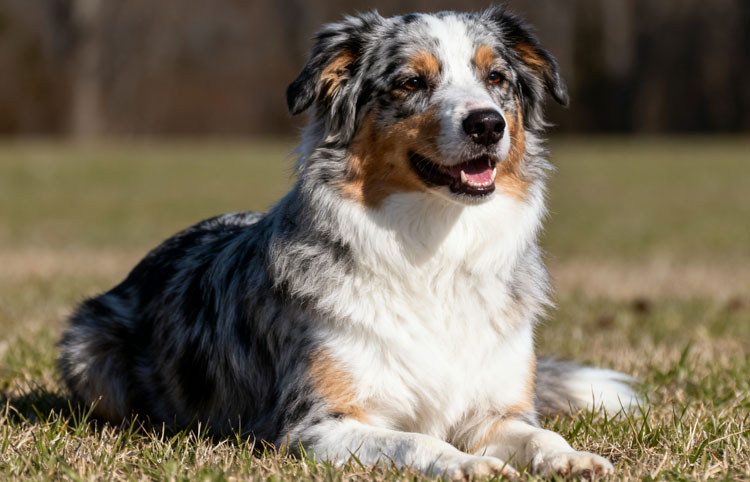
9. Coat Color: The Australian Shepherd commonly features a combination of brown and white; the Border Collie typically displays a mix of black and white.
10. Gait: When moving, the Border Collie’s four legs trace two parallel lines; the Australian Shepherd’s four legs move closer to a straight line.

-
Sale!
Washable Pet Cooling Pad for Cats and Dogs
Original price was: $10.99.$9.99Current price is: $9.99. This product has multiple variants. The options may be chosen on the product page -
Sale!
Washable Cat Window Hammock Cooling Bed
Original price was: $23.99.$22.99Current price is: $22.99. -
Sale!
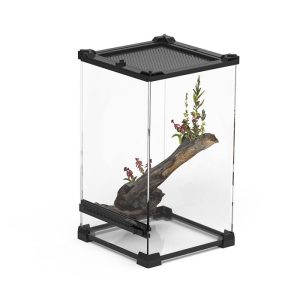
Tropical Amphibian Rainforest Tank, Lizard Cage
Original price was: $38.99.$36.99Current price is: $36.99. -
Sale!

Silent 4-in-1 Waterproof Charging Dog Hair Trimmer
Original price was: $49.88.$47.99Current price is: $47.99.
