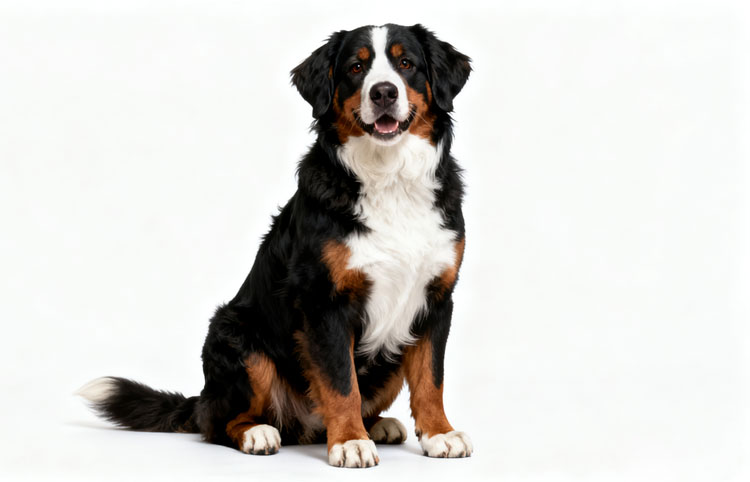
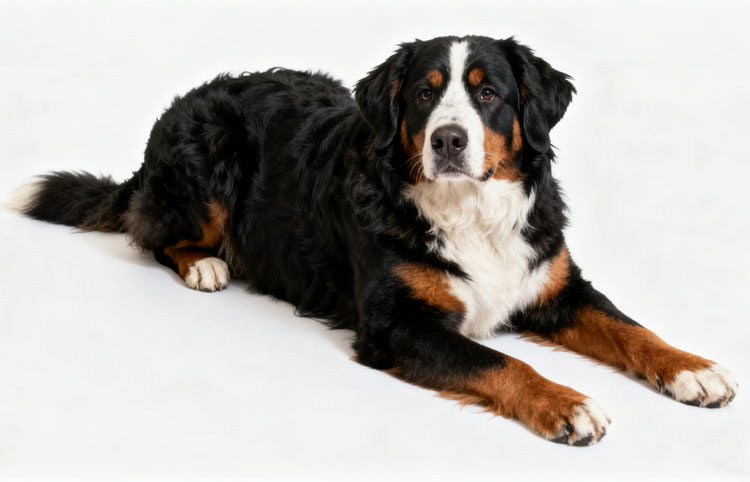
Bernese Mountain Dog Originating from the Swiss Alps, the Bernese Mountain Dog is a gentle yet robust working breed. Standing up to 70cm tall and weighing 40-55kg, its tri-colored coat resembles a luxurious fur coat. With an exceptionally steady and patient temperament, it’s hailed as “the best big dog for kids.” Intelligent and loyal, it excels at pulling carts, herding cattle, and guarding homes. Owning one feels like gaining a warm, furry bear friend—the most soothing companion for a slow-paced life.
I. Advantages of the Bernese Mountain Dog:
1. Excellent Temperament
Gentle, patient, and incredibly affectionate, they are exceptionally friendly toward children and the elderly, exhibiting almost no aggression. Often described as “walking cuddly bears,” they turn heads wherever they go.
2. Striking Appearance
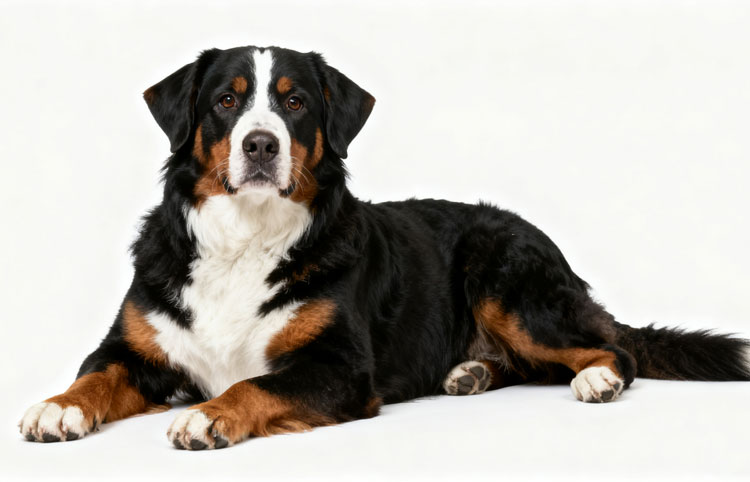
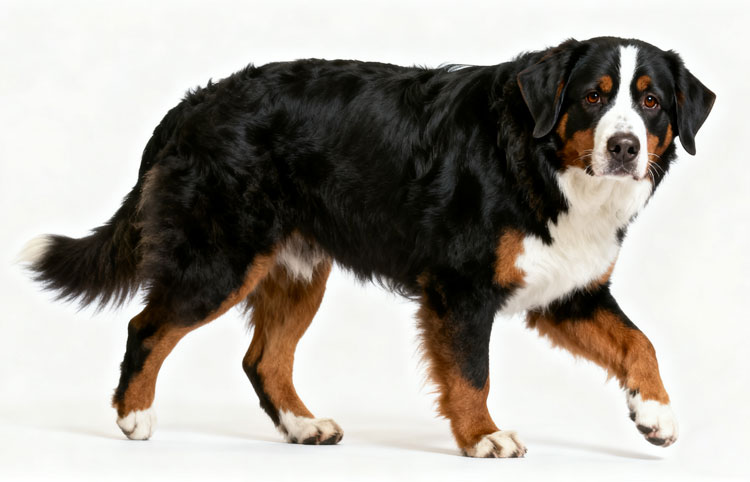
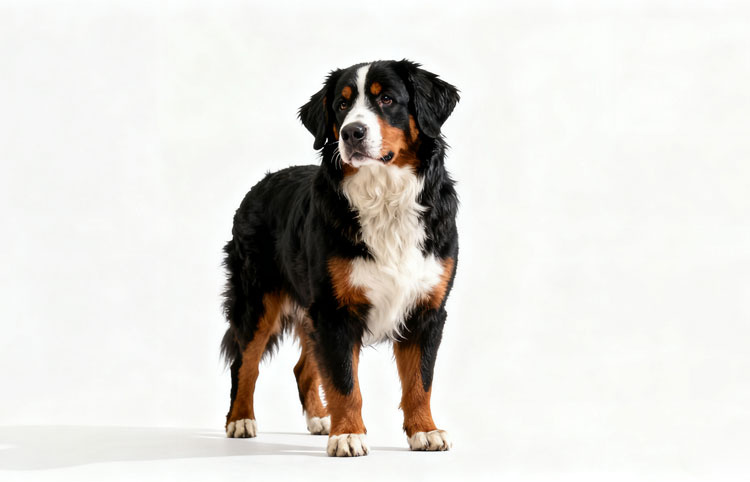
Their long coat of black, white, and brown, combined with a sturdy frame and gentle eyes, exudes an aristocratic aura. Every photo taken with them is wallpaper-worthy.
3. Versatile Worker
Though primarily kept as pets today, they excel at cart-pulling, guarding, and search-and-rescue. Intelligent and quick learners, they thrive on serving their owners.
4. Steady Temperament
Unlike many large breeds prone to hyperactivity, they prefer leisurely walks by your side or lounging at your feet, offering maximum emotional comfort.
II. Disadvantages of the Bernese Mountain Dog
1. Short Lifespan
Average lifespan is only 7-8 years, with an exceptionally high cancer rate. Owners have almost universally experienced the profound grief of saying goodbye.
2. Heavy Shedding
Their double coat and massive size mean year-round shedding—spring and fall bring literal snowstorms of fur. Without a powerful vacuum and daily brushing commitment, it can be overwhelming.
3. Prone to Illness
Hip and elbow dysplasia, cancer, gastric torsion… …Veterinary bills routinely run into thousands, often exceeding what pet insurance can fully cover.
4. Heat Intolerance
Their dark coats absorb heat, making them prone to heatstroke above 30°C (86°F). Keeping them in humid, hot southern regions is essentially “slow torture.”
5. Large Size
Adult males weigh 70-100 pounds (32-45 kg), consuming 1.5-2 times the food of Golden Retrievers or Labradors. This significantly increases costs for food, supplies, and living space.
III. Bernese Mountain Dog Care Guide
1. Space & Exercise
Don’t expect them to thrive in apartments—they’re Swiss farm dogs bred for pulling carts and working. A house with a yard is ideal, plus at least 1-2 hours daily of moderate exercise like jogging, hiking, or tug-of-war with weighted toys. Insufficient activity leads to obesity and furniture destruction.
2. Diet Management
As a giant breed with rapid growth, skeletal issues are most common before age 2. Feed exclusively large/giant breed puppy food to prevent excessive growth. After maturity, provide 2-3 meals daily with strict portion control—Bernese are highly prone to obesity and joint diseases. Avoid feeding bones or chicken frames, as they can cause pancreatitis.
3. Coat Care
Their triple-layer coat sheds heavily twice yearly—spring and fall resemble snowfall. Daily brushing with the grain minimizes shedding indoors. Bathe infrequently (every 2-3 months) using moisturizing shampoo to prevent dry skin.
4. Health Concerns
Top fatal diseases: Cancer, hip/elbow dysplasia, gastric torsion. Begin regular checkups at 8 weeks. Avoid excessive jumping or stair climbing before age 2. Use slow-feed bowls, portion meals, and prohibit running/jumping for 2 hours after eating. Always verify parent dogs’ health certificates before purchase.
5. Temperament Training
Extremely gentle with children, seniors, and other dogs, but experiences a “rebellious phase” before age 2-3. Large size combined with mischievousness leads to significant destructive tendencies. Initiate early socialization and basic obedience training. Prevent developing the habit of “expressing affection by body-slamming people.”
IV. Selecting a Bernese Mountain Dog
1. Choose a Reputable Breeder
A good breeder will proactively show you health certificates for the parents and grandparents, including OFA/PennHIP hip and elbow certifications, heart and eye screenings, and vWD/DM genetic testing.
2. Assess Parent Temperament
A Bernese should be a “gentle giant”—wagging its tail at strangers rather than barking aggressively or hiding. Observe both parents in person; if either exhibits nervousness or aggression, the puppy inherits these traits with high probability.
3. Puppy Selection Techniques
Lift and expose belly: Puppies who calmly accept this without struggling or yelping typically develop stable adult personalities.
Clap hands or drop keys to create noise: A puppy that approaches curiously to investigate is normal. One that hides in corners or barks frantically may be timid or noise-sensitive.
5. Age
Bring home between 8-10 weeks old. Too young risks behavioral issues; too late misses the socialization window. Ensure the first vaccination and deworming are completed before bringing the puppy home.
V. Bernese Mountain Dog Grooming Methods
1. Bathing
Bernese coats have natural oils for protection. Bathe every 20-30 days in winter and every 10-15 days during hot summer months. Over-bathing can cause dry skin and frizzy fur. Use a moisturizing shampoo and conditioner set designed for dogs. Focus on cleaning the paws, belly, rear, and base of the tail—these areas get dirtiest.
2. Drying Technique
Bernese dogs are highly prone to “wet-fur tangles.” After bathing, use a high-powered pet dryer to thoroughly dry the undercoat by blowing air from the roots outward against the grain. While drying, use one hand to smooth the fur and the other to lift it against the grain, combing continuously. This method minimizes future tangling.
3. Brushing Sequence
Use a wide-tooth steel comb, pin brush, and rake comb. First, use the rake comb to remove dead undercoat. Then, smooth the coat with the pin brush. Finally, run the steel comb through for shine. Brush daily before bed and give a thorough raking on weekends. You’ll find so little shedding you’ll wonder if they even shed at all.
4. Key Trimming Areas
Paws: Trim hair on the soles into a “cat paw shape” to prevent slipping and dirt buildup.
Buttocks: Use grooming scissors to create rounded “peach buttocks” to keep feces from sticking to fur.
Ear edges: Neatly trim the edges for a sharp appearance.
Tail: Minimal trimming is needed; just layer it slightly along the bone structure. Avoid cutting it into a rat tail.
5. Ears & Eyes & Nails
Clean ears weekly with ear solution—Bernese are prone to ear infections. Wipe eye discharge with saline solution. Trim nails every 2-3 weeks; cutting too short causes bleeding—stop at the first “snip” sound.
VI. Bernese Mountain Dog Training Methods
1. Optimal Start Timing
2-4 months and 4-8 months are the golden periods for shaping behavior. Correcting bad habits after 8 months becomes very difficult.
2. Positive Reinforcement
Bernese Mountain Dogs have zero resistance to food! High-value treats combined with exaggerated verbal praise and petting work better than any scolding. They fear your anger, but fear your indifference even more—so “ignoring them” is the ultimate punishment.
3. Basic Training
① Socialization: Between 2-4 months, expose them to 100 people, various dogs, cats, vacuum cleaners, bicycles… They have strong timid genes; missing this window can lead to fear of strangers and loud noises.
② Potty Training: Combine pee pads with outdoor outings. Immediately take them outside after meals, waking up, or playtime. Reward success with enthusiastic praise and treats. This is usually mastered by 3-4 months.
③ Leash Walking: Use a front-clip harness and the “Stop-Go” method from puppyhood. When it pulls, immediately stop moving. Resume walking only when the leash slackens. Never pull back forcefully.
④ Basic Commands: Sit, Stay, Down, Come, No. Teach using lure → mark (with “YES” or clicker) → reward. Say the name + command only once per session.
⑤ Biting control: If it bites hands as a puppy, emit a sharp “Ouch!” cry, then immediately turn away and ignore it for 30 seconds—100 times more effective than hitting.
4. Common Issues
Food guarding: From puppyhood, place your hand in the food bowl while adding food, associating “human near bowl” with positive reinforcement.
Excessive Barking: Never appease; more attention fuels more barking. Ignore completely; reward only after quieting.
Jumping Up: When visitors arrive, have the dog sit first. Wait until all four paws are on the ground before greeting. If it jumps, everyone turns away.
VII. Bernese Mountain Dog Vaccinations and Deworming
1. Puppy Vaccinations
6-8 weeks: First 6-in-1 vaccine: distemper, parvovirus, infectious hepatitis, parainfluenza, adenovirus, leptospirosis
10-12 weeks: Second 6-in-1 + first rabies vaccine
14-16 weeks: Third 6-in-1 + rabies booster
2. Adult Vaccinations
Annual 6-in-1 or 8-in-1 vaccine.
Rabies Vaccine: Administered every 3 years as per local regulations.
3. Internal Deworming
Puppies: Begin at 2 weeks of age, every 2 weeks until 12 weeks. Then monthly until 6 months, followed by every 3 months thereafter.
Recommended Medications: Advocate, Advocate® (Bayer), Milbemycin Oxamyl (Milbemycin Oxamyl).
Northern regions: Year-round heartworm prevention recommended. Southern regions: Year-round prevention essential!
4. External Parasite Control
Monthly treatments: Frontline, Super Trust, Advocate, Bravecto.
Bernese have extremely thick coats—ticks love hiding in armpits, groin, and ear bases. Don’t skip thorough fur-parting checks!
VIII. Foods Bernese Mountain Dogs Must Avoid
1. Chocolate and any products containing theobromine/caffeine
Bernese are extremely sensitive to theobromine, with a low toxicity threshold. Just 50g of dark chocolate can cause seizures and arrhythmia in a 40kg Bernese, potentially fatal.
2. Grapes and raisins
As few as 4-5 grapes can trigger acute kidney failure. Large, dark-coated breeds like Bernese seem more susceptible. The exact toxin mechanism remains unclear medically, so zero tolerance is essential.
3. Onions, Leeks, Garlic
Contain sulfides that destroy red blood cells, causing hemolytic anemia. Bernese are already prone to tumors; anemia combined with weakened immunity is highly dangerous. Cooked versions are equally unsafe!
4. Xylitol
Triggers insulin spikes, leading to rapid hypoglycemia and liver failure. A single packet of gum can knock a Bernese out within hours.
5. Avocado
Contains persin—the entire plant is toxic, posing high risks of heart and lung edema.
6. Raw Yeast Dough
Ferments in the stomach, producing gas and alcohol, causing gastric dilatation-volvulus (GDV). Bernese Mountain Dogs, being deep-chested breeds, are already high-risk for GDV. Consuming this is tantamount to suicide.
7. High-fat leftovers, fried foods, fatty meats
Highly likely to trigger acute pancreatitis. Pancreatitis in Bernese Mountain Dogs carries a very high mortality rate.
8. Alcohol, coffee, tea, energy drinks
Do not mess with anything containing alcohol or caffeine. Even licking a drop of beer can be poisonous.
IX. Common Health Issues in Bernese Mountain Dogs
1. Cancer
The leading cause of death in Bernese Mountain Dogs, with over 50% succumbing to cancer. Malignant histiocytomas are particularly common—they develop rapidly, metastasize aggressively, and are often diagnosed at an advanced stage. We recommend comprehensive physical exams and abdominal ultrasounds every six months starting at age 6. Early detection can buy valuable time.
2. Hip and Elbow Dysplasia
A common ailment in large breeds, particularly severe in Bernese. Many dogs show no signs in youth but develop lameness and difficulty standing after age 5. When purchasing a puppy, always check the parents’ OFA or PennHIP scores—only “Excellent” or higher grades offer relative assurance.
3. Cruciate Ligament Rupture
Sudden reluctance to bear weight on a hind leg or hopping on one leg typically indicates a torn cruciate ligament. Bernese Mountain Dogs, with their substantial weight and explosive power, are prone to injury during sudden turns while running. Surgery costs are significant.
4. Gastric Dilatation-Volvulus (GDV)
A classic emergency in deep-chested large breeds. Triggers include eating too quickly, overeating, or vigorous activity immediately after eating. Surgery within hours is critical to prevent fatality. Recommend feeding smaller, more frequent meals using slow-feed bowls, followed by a 2-hour rest period after eating.
5. Degenerative Myelopathy
In older Bernese, this manifests as hind limb weakness, dragging, or paralysis. Currently incurable, wheelchairs are used to maintain quality of life. Genetic testing can identify carriers.
X. Bernese Mountain Dog Pricing
In 2025, a healthy, pedigreed Bernese Mountain Dog puppy averages $2,000–$3,500. Top-tier champion bloodlines or rare colors average $4,000–$5,000.
XI. Bernese Mountain Dog Lifespan
The average lifespan of a Bernese Mountain Dog is approximately 7–10 years. Statistics from the International Bernese Mountain Dog Club and extensive breeding data indicate that reaching 8–9 years is considered fortunate under normal circumstances. Dogs exceeding 10 years are regarded as “long-lived,” while those surpassing 12 years are exceptionally rare.

-
Sale!
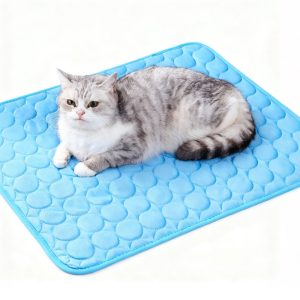
Washable Pet Cooling Pad for Cats and Dogs
Original price was: $10.99.$9.99Current price is: $9.99. This product has multiple variants. The options may be chosen on the product page -
Sale!
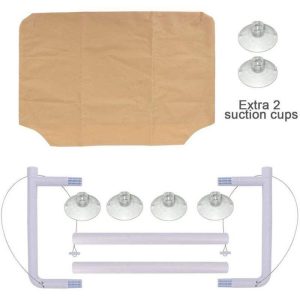
Washable Cat Window Hammock Cooling Bed
Original price was: $23.99.$22.99Current price is: $22.99. -
Sale!
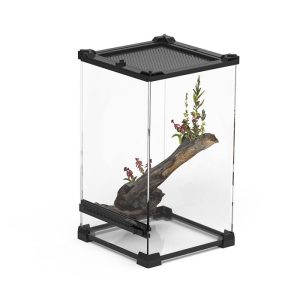
Tropical Amphibian Rainforest Tank, Lizard Cage
Original price was: $38.99.$36.99Current price is: $36.99. -
Sale!

Silent 4-in-1 Waterproof Charging Dog Hair Trimmer
Original price was: $49.88.$47.99Current price is: $47.99.
