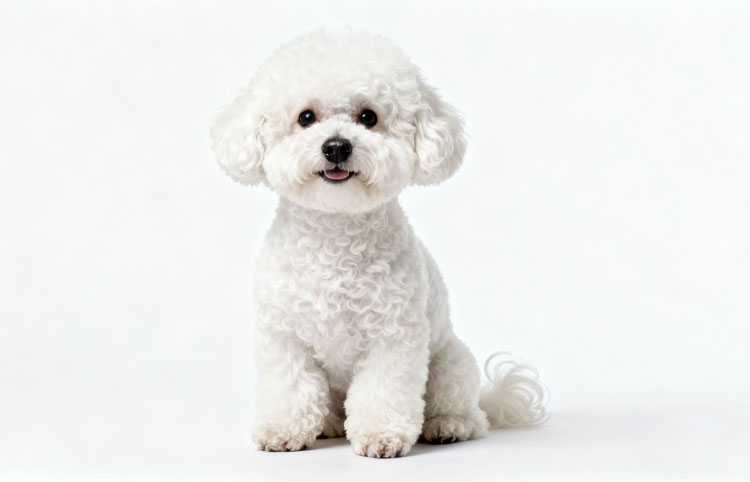
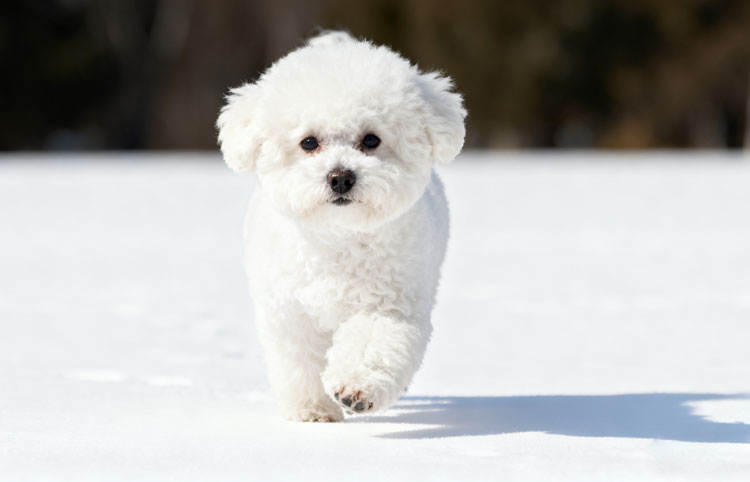
The Bichon Frise is a small, elegant companion dog originating from the Mediterranean region. With its appearance resembling a walking white cotton candy, its curly, dense coat sheds minimally. It possesses a lively, gentle, and exceptionally affectionate personality, always sporting a “Bichon smile” on its cheerful face. It is friendly toward both children and the elderly. Highly intelligent and trainable with boundless energy, bringing a Bichon Frise into your home instantly adds a healing little ray of sunshine!
I. Advantages of the Bichon Frise
1. High Visual Appeal
With its fluffy white, round head and naturally cheerful expression, the Bichon Frise is a walking source of comfort wherever it goes. It’s especially suited for photography enthusiasts and those who love sharing photos of their dogs.
2. Lovable Personality
Typically “people-crazy,” Bichon Frises show zero aggression toward strangers, wagging their tails at everyone. They’re perfect for households with seniors or children, or for socially anxious owners looking for a dog to break the ice.
3. Minimal Scent
As a hypoallergenic breed, Bichon Frises shed very little, keeping homes cleaner and making them friendly even for those with mild allergies.
4. Low-maintenance
Adults weigh 4-8kg, making them perfect for apartment dwellers. They eat little and are easy to carry.
5. Intelligent
Bichon Frises learn quickly, love pleasing their owners, and have stable temperaments. They rarely bark unnecessarily, earning them the nickname “little angel.”
II. Drawbacks of the Bichon Frise
1. Demanding Coat Maintenance
The Bichon Frise’s fluffy white coat isn’t naturally white—it’s achieved through regular grooming. Weekly thorough baths and blow-drying are essential to prevent matting, yellowing, and odor.
2. Tear Stains
Bichon Frises have naturally active tear ducts, making heavy tear staining common. Daily face wiping and tear stain powder application are essential to prevent their faces from looking like “dirty little coal balls.”
3. Prone to Skin Conditions
With their thick coats and numerous skin folds, Bichon Frises frequently suffer from eczema, dermatitis, and fungal infections. Treating these conditions is often lengthy and costly.
4. Prone to Separation Anxiety
Bichon Frises are extremely clingy. Leaving them alone triggers wailing, furniture destruction, and near-zero tolerance for solitude—making them unsuitable for frequent business travelers.
5. Timid Nature
Thunderstorms, rain, moving, fireworks… all can terrify them into trembling and diarrhea, revealing their fragile mental resilience.
III. Bichon Frise Care Guide
1. Feeding
Puppies (2-10 months): 3-4 meals daily with high-quality puppy food.
Adult dogs: 2 meals daily, approximately 70-100g per meal (based on dog’s size). Do not exceed! Bichons are extremely prone to weight gain, and obesity leads to numerous health issues.
Be generous with treats, occasionally substituting with freeze-dried treats or dental chews. Refuse human food, especially salty or sweet items.
Keep goat milk powder or probiotics on hand to protect their digestive system.
2. Coat Care
Brush daily with a slicker brush and steel comb to prevent tangles.
Bathe every 3-4 weeks using pet-specific whitening shampoo and conditioner, then thoroughly blow-dry.
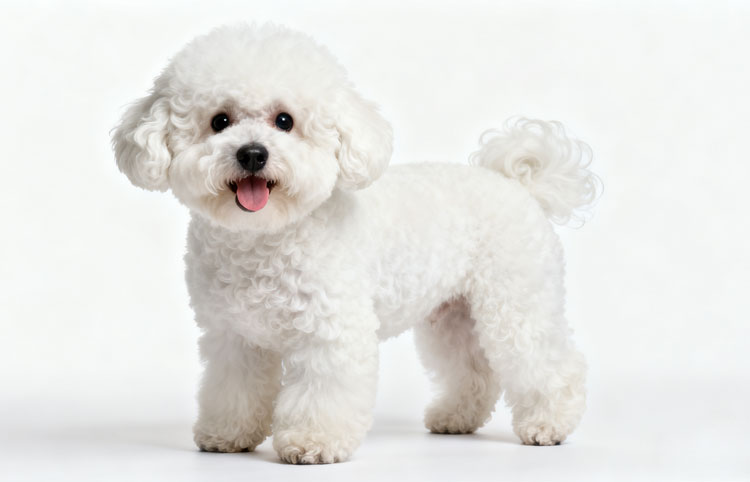
Monthly trimming: Round head, round bottom, round paws. Best done by a professional groomer—DIY cuts often result in a “punk” look.
For severe tear stains, wipe daily with pet wipes and apply tear stain powder for noticeable results.
3. Exercise & Temperament: Don’t Treat Them Like a Cuddly Toy
Require at least 40-60 minutes of daily walks plus indoor play. Their high energy levels mean neglect leads to destructive behavior.
Extremely affectionate and fearful of loneliness. Daily 20-minute play sessions with interactive toys stabilize their mood.
Highly trainable with strong intelligence. Can learn commands like “sit,” “shake,” and “down” within 3 months using treats as rewards.
4. Health Considerations
Prone to blocked tear ducts, tartar buildup, and patellar luxation—schedule regular checkups.
Administer vaccines and deworming on schedule.
Monitor temperature in summer; thick coats increase heatstroke risk.
IV. Selecting a Bichon Frise
1. Prioritize Reputable Sources
Seek breeders with CKU/FCI dual pedigree certification from licensed kennels, or highly recommended home breeders.
2. Evaluate Parent Dogs
The mother Bichon Frise’s temperament and coat quality largely determine the puppy’s future appearance. If the mother has heavy tear stains, sparse fur, or timid behavior, the offspring will likely inherit these traits. An ideal Bichon mother should have: clear eyes without tear stains, dense, cotton-candy-like curls, and an outgoing personality.
3. Optimal Selection Period: 2-4 Months
At 45 days, puppies are too young to reveal their true appearance. Beyond 5 months, coat density is already set and difficult to change. Between 2-3 months, ears begin to stand upright and curls become noticeable—this is the best time to assess whether the puppy will develop a “marshmallow head.”
4. Key Inspection Points
Eyes: Must be clear, dark, and bright. No visible tear stains or red eye rings.
Nose: Must be moist and black, never pink or cracked.
Bite: A slight scissors bite (upper teeth slightly overlapping lower) is ideal. Severe overshot or undershot bites are deducted.
Coat texture: Run fingers against the grain. Quality Bichon fur has a “springy” feel, bouncing back instantly when released. Floppy fur will tangle easily later.
Gait: Hind legs must be parallel and powerful, not splayed inward or outward.
5. Temperament Test
Pick up the puppy, turn it over, and rub its belly for 30 seconds. If the Bichon Frise puppy struggles briefly then calms down, it indicates an exceptionally good temperament; constant yelping and struggling may suggest timidity. Drop a key on the floor and observe if it dares to approach and sniff it. If it does, its basic social skills are likely sound.
6. Final Bonus Tip
Within a litter, there’s often one puppy with the curliest coat, roundest eyes, and boldest demeanor—this is the “litter leader.” Typically the best specimen, don’t hesitate to choose it.
V. Bichon Frise Grooming Methods
1. Bathing Frequency: Bathing every 2-3 weeks is sufficient. Over-bathing can disrupt the skin’s natural oil balance. Use a specialized brightening shampoo for Bichons. Thoroughly wet the coat first, then wash from the neck backward with the grain of the fur. Finally, wash the head and rear. Rinsing thoroughly is crucial; residual shampoo can cause yellowing and tangling.
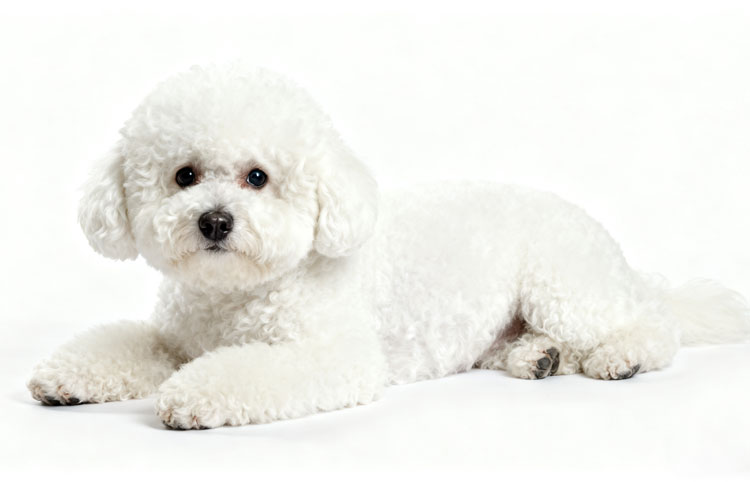
2. Blow-Drying Technique: This is the secret to achieving that fluffy look! Ensure the coat is completely dry using a combination of “blowing against the grain and with the grain.” Use a pet-specific upright dryer on low, cool air to lift the hair against the grain while using a pin brush or steel comb to “lift” the fur. Switch to warm air to blow with the grain and set the style. This method will give your Bichon a round, cotton-candy-like appearance.
3. Daily Brushing: Spend 5-10 minutes daily using a steel comb + pin brush to work through layers from outer to inner coats. Focus on inner limbs, armpits, belly, and behind ears—prime knot zones. Immediately finger-detangle small knots; never forcefully pull.
4. Trimming Focus Areas:
Face: The classic round face is most endearing. Trim from the corners of the eyes to the bridge of the nose and around the mouth into a rounded “U” shape to make the eyes appear large and innocent.
Paws: Trim into “cat paw rounds” where fur covers the nails but doesn’t drag on the ground, creating that adorable jingling sound when walking.
Butt: Use sanitary scissors to trim short and rounded, preventing poop from sticking to the fur.
Body: Generally leave 5-8 cm of fur, trimming the entire body into an oval shape. Short, stubby legs are the cutest.
5. Whitening Tips: After bathing, use pet whitening spray or diluted purple toner to effectively reduce yellowing. For areas prone to redness like ear edges and around the eyes, gently wipe with baby wipes once a week.
VI. Bichon Frise Training Methods
1. Socialization (2-4 months is the golden period)
This isn’t optional—it’s essential! Bichons are naturally shy. Without proper socialization, they may bark aggressively at people or fear unfamiliar environments as adults. Expose them to people of all ages, various dogs, sounds like vacuum cleaners and drills, car rides, elevators… Reward good behavior with enthusiastic praise and treats. If they show fear, don’t comfort them—immediately redirect their attention with something enjoyable.
2. Potty Training (3-6 months is critical)
Bichons have small bladders and poor bladder control. In the first 3 months, they may need to pee every 1-2 hours.
Method: Use a combination of pee pads and a crate. Initially restrict their movement. Immediately after eating, drinking, playing, or sleeping, take them to the pee pad area. Reward with enthusiastic praise and treats for success. Use an enzyme cleaner to thoroughly eliminate odors from any spot they mark. Don’t expect overnight bladder control before 6 months; setting an alarm for nighttime potty breaks is safest.
3. Controlling Whining
The only effective method: Completely ignore whining when it starts. Reward instantly the moment silence lasts 0.1 seconds. Many make the mistake of “scolding them when they whine,” which only encourages more excitement by engaging in the “performance.” Cold treatment + rewarding quiet is the only proven solution.
4. Basic Obedience
Bichon Frises are highly food-motivated. Use high-value treats for training. Use one hand signal and one verbal command at a time. After giving the command, help the dog assume the position and reward immediately upon success. Train in short sessions of 3-5 minutes, spread throughout the day. Avoid long, tedious 30-minute sessions that overwhelm the dog.
5. Separation Anxiety Prevention
Practice brief separations from puppyhood: Leave the dog in the living room while you step onto the balcony for 10 seconds → return and reward. Gradually extend to minutes, then full outings. Never show emotional farewells when leaving or excessive affection upon returning, or he’ll believe “the sky falls when owner leaves.”
6. Grooming Tolerance Training
Bichon Frises require regular trimming, blow-drying, and bathing. From puppyhood, gently touch their ears, paws, and mouth while offering treats for cooperation. Start blow-drying from a distance on low heat, feeding treats during the process to build positive associations. Otherwise, nail trimming as an adult might feel like a battle.
VII. Vaccinations and Deworming for Bichon Frises
1. Vaccinations
(1) First Year Puppies (6-16 weeks)
Typically receive 3 combination shots: distemper, parvovirus, infectious hepatitis, etc., spaced 21-28 days apart.
Administer rabies vaccine 1-2 weeks after the first shot.
At 12-16 weeks, consider adding distemper and kennel cough vaccines, as Bichons’ vocal nature makes them susceptible to infection at dog parks.
2. Annual Boosters for Adults
Many clinics now use 7- or 8-in-1 combination vaccines, with 3-year immunity becoming increasingly common.
Annual rabies shots are mandatory and cannot be skipped.
3. Internal Deworming
Puppies 2-12 weeks old: Deworm every 2 weeks. 3-6 months: Monthly deworming. After 6 months: Monthly deworming is sufficient. Recommended broad-spectrum dewormers include Bayer, Frontline, Super Power, and Heartgard.
4. External Parasite Control
Bichons have long, white coats where fleas can easily hide and be difficult to spot. Year-round monthly flea prevention is advised. Common options include Frontline, Flea & Tick, Nixy, and Ivox.
Ear mites are common. Clean ears with ear drops every 1-2 months for prevention.
VIII. Foods Bichon Frises Must Avoid
1. Chocolate, coffee, tea, cocoa: Contain caffeine and theobromine. Even small amounts can cause rapid heartbeat, seizures, or cardiac arrest. Dark chocolate is most toxic; avoid white chocolate too.
2. Onions, Leeks, Garlic, Chives: Raw, cooked, or even residual cooking juices are dangerous! These destroy red blood cells, causing hemolytic anemia. Symptoms often appear 2-4 days after poisoning, leaving owners with regret.
3. Grapes and raisins: Even a few can trigger acute kidney failure. Bichons are especially sensitive. While science hasn’t fully identified the toxic component, clinical cases are too numerous to ignore.
4. Avocado: Contains persin—the entire fruit, pit, and bark are toxic. Can cause vomiting, diarrhea, and pericardial effusion.
5. Xylitol: Found in sugar-free gum, some peanut butters, and toothpaste! In Bichons, it causes insulin spikes followed by hypoglycemia, leading to unsteadiness, seizures, and potential liver failure within hours.
6. Alcohol: Some think letting dogs lick beer is amusing, but just a few milliliters can cause alcohol poisoning and coma in Bichons.
7. High-fat, high-salt human leftovers: Chicken skin, fatty meats, processed sausages, salted fish, pickled mustard greens—these can trigger acute pancreatitis. Once a Bichon develops pancreatitis, they writhe in agony, and treatment costs are astronomical.
IX. Common Health Issues in Bichon Frises
1. Allergic Skin Conditions
Bichon Frises are prone to allergies, whether food-related or environmental. Symptoms include excessive scratching, red and inflamed ears, and paw licking leading to hair loss. Many Bichons battle skin issues throughout their lives, sometimes requiring long-term anti-allergy medication or immunotherapy shots.
2. Lacrimal Duct Issues & Tear Stains
Narrowed or blocked tear ducts are extremely common, appearing especially noticeable on white coats. While tear stains are often considered a cosmetic concern, they may indicate underlying chronic conjunctivitis or abnormal tear duct development. Early tear duct flushing is recommended to prevent future inflammation.
3. Patellar Luxation
A common ailment in small breeds, Bichon Frisés are no exception. Sudden limping or hopping like a rabbit in the hind legs often indicates a dislocated kneecap. Grade 1-2 cases can be managed conservatively through weight control and muscle training, while Grade 3-4 requires surgery to prevent severe arthritis pain later in life.
4. Dental Issues
This breed is notoriously prone to dental problems. Retained baby teeth, tartar buildup, and gingivitis are almost standard. Without diligent cleaning before age 3, many dogs develop severe plaque buildup, leading to early tooth loss. Daily brushing or using dental toys is not a luxury—it’s essential.
5. Bladder Stones/Urinary Tract Issues
Especially in males, uric acid stones occur with notable frequency. A urinary blockage is a medical emergency, causing excruciating pain that leaves the dog writhing on the floor. Low water intake and poor diet exacerbate this risk. Females are less prone but still require vigilance.
6. Common Senior Conditions
After age 10, monitor for: cataracts, mitral valve degeneration, and declining kidney function. These are considered “senior taxes,” but regular check-ups enable early detection and intervention.
X. Bichon Frise Pricing
Standard pet-quality Bichon Frise puppies start at $1,000–$1,500 USD. Those with championship bloodlines or intended for show competition typically cost $2,500–$3,500 USD.
XI. Bichon Frise Lifespan
Healthy, well-cared-for Bichons commonly live to 15 years, with 16-18 years not uncommon. There are even documented cases of 20-year-old seniors. Data from the Fédération Cynologique Internationale (FCI) and the American Bichon Frise Club indicate an average lifespan of approximately 14.5 years, ranking second among small breeds only to the Pug and Chihuahua.

-
Sale!
Washable Pet Cooling Pad for Cats and Dogs
Original price was: $10.99.$9.99Current price is: $9.99. This product has multiple variants. The options may be chosen on the product page -
Sale!

Washable Cat Window Hammock Cooling Bed
Original price was: $23.99.$22.99Current price is: $22.99. -
Sale!
Tropical Amphibian Rainforest Tank, Lizard Cage
Original price was: $38.99.$36.99Current price is: $36.99. -
Sale!
Silent 4-in-1 Waterproof Charging Dog Hair Trimmer
Original price was: $49.88.$47.99Current price is: $47.99.
