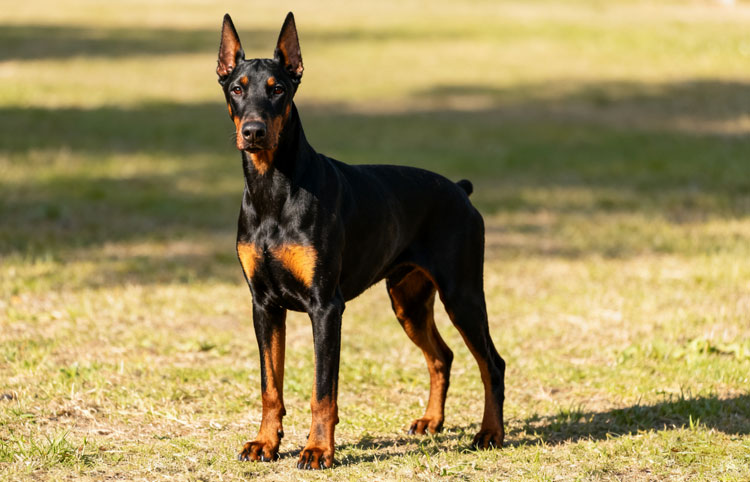
The Doberman Pinscher, also known as the Doberman, originated in Germany and was named in honor of Mr. Louis Dobermann, who developed the breed. Among numerous dog breeds, the Doberman Pinscher stands out as a true all-rounder: it possesses sharp intelligence, learns quickly, boasts a well-proportioned and harmonious physique, and carries an innate air of nobility. Beyond their common roles as military and police dogs, some regions utilize uncropped-eared, undocked Dobermans for hunting, leveraging their speed and agility.
I. Doberman Pinscher Pricing
For standard companion pets, Doberman Pinschers typically range from $150 to $340. Those with traceable pedigrees command prices between $340 and $820. For those seeking a competition-standard Doberman Pinscher with potential for show performance, the budget must be significantly higher, typically exceeding $820.
II. Doberman Pinscher Lifespan
Before owning a Doberman Pinscher, be prepared for its relatively short lifespan, typically ranging from 10 to 13 years. Comparing it to other common breeds highlights this: Labrador Retrievers generally live 12 to 15 years, while German Shepherds can live 10 to 14 years. By comparison, the Doberman Pinscher’s lifespan is indeed shorter. Therefore, if you decide to adopt one, cherish the time you have together and dedicate extra care to its well-being.
III. Selecting a Doberman Pinscher
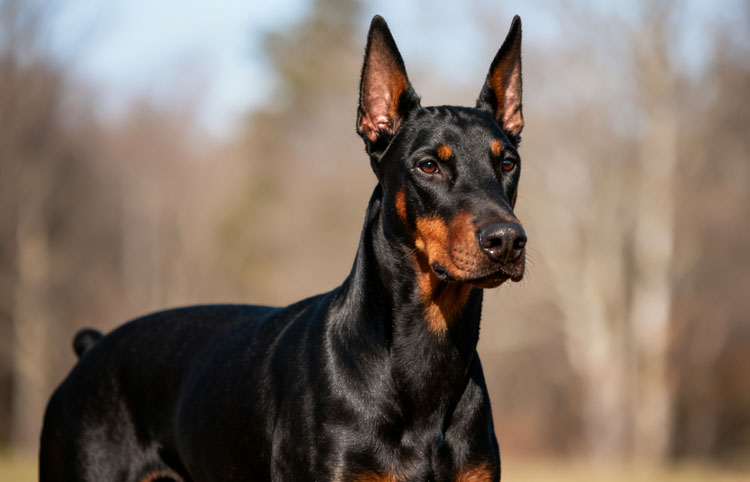
1. Prioritize pedigree credentials when selecting a Doberman Pinscher. Reputable breeders provide pedigree certificates and vaccination records detailing the puppy’s parents. This prevents purchasing mixed-breed or inbred dogs. Purebred Doberman Pinschers exhibit more stable genetics, reducing susceptibility to congenital diseases and lowering long-term care demands.
2. Next, closely observe the puppy’s overall demeanor. A healthy Doberman puppy should be lively and active, neither hiding excessively from strangers nor displaying unexplained aggression. Its eyes should be bright and clear, free of tear stains or dullness. The nose should remain moist except when sleeping, without any discharge. Gently lift the lips to check for pink gums and ensure there is no unpleasant odor. Its coat should be short and smooth to the touch, free of bald patches or dandruff. Examine its stool—it should be well-formed, not loose or bloody. Gently feel its abdomen for any hard lumps. Have it walk a few steps; its gait should be steady, not limping.
3. Temperament is crucial. While Doberman Pinschers are guard dogs, a well-balanced one exhibits “controlled aggression”: alert around strangers without lunging to bite; affectionate toward owners, seeking closeness; and eager to interact when offered toys or treats. If you encounter a puppy that’s extremely timid, cowering at the slightest approach, or barks at people without provocation, it likely has behavioral issues and should be avoided.
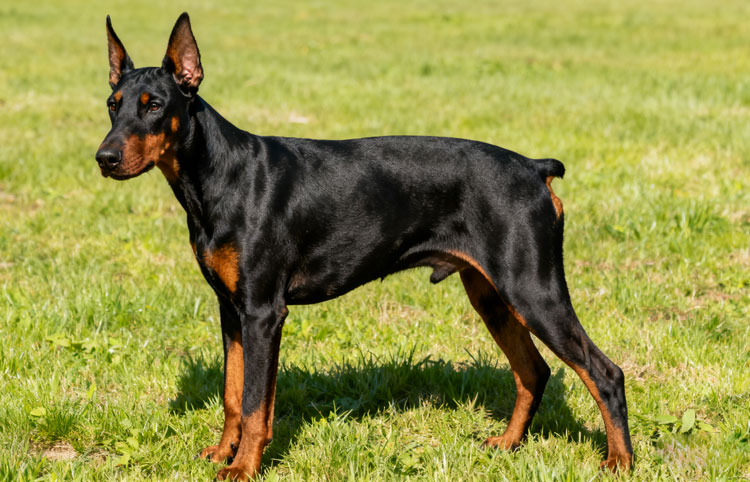
4. Finally, assess physique and appearance. A well-built Doberman should have a balanced frame. Viewed from behind, the topline must be straight without dips or crests; the chest should be deep, appearing broad and powerful. Ears are typically cropped to stand erect and upright, not crooked; naturally floppy ears are also acceptable. Tails are usually docked to a moderate length, naturally curling upward when at rest, not constantly drooping. Common coat colors are black and tan or blue and tan, with evenly distributed patches—no messy, random coloring.
IV. Advantages of the Doberman Pinscher
1. Ranking fifth in canine intelligence, the Doberman Pinscher learns exceptionally quickly. Simple commands are grasped after just a few repetitions, and with patient training, it can master more complex actions, offering great satisfaction to its owner.
2. Its reaction speed is swift, and it moves with agility. Whether fetching items or performing tasks, it adapts quickly and works with remarkable efficiency.
3. Owners know Dobermans have minimal body odor. Even sharing a room with one, unpleasant smells are absent, fostering closer family bonds without the need for distance due to scent issues.
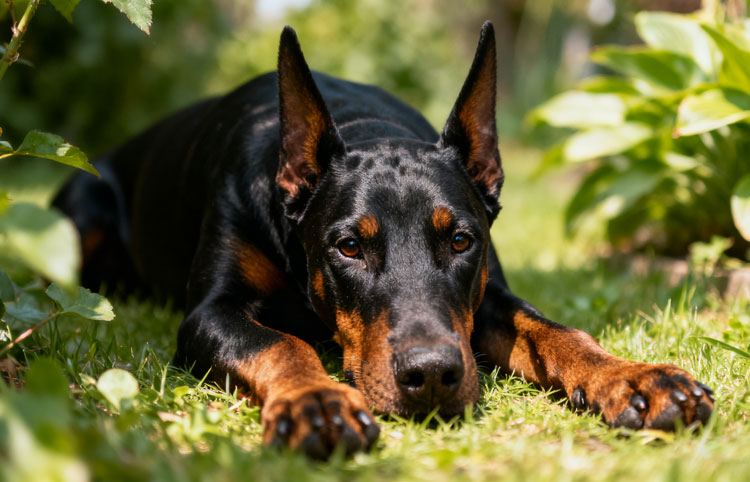
4. The Doberman Pinscher’s appearance is also very appealing. Its body is well-proportioned with sleek, streamlined lines. Especially its pure black short coat feels dense, fine, and smooth to the touch, giving it a particularly cool and stylish look that aligns with modern aesthetics. Taking it out for walks always attracts attention, earning high turn-around rates, and people often compliment its good looks.
5. Its loyalty to its owner is unquestionable. Once it bonds with its owner, it gives its all without reservation. Facing danger, it will instinctively shield its owner and may even sacrifice itself for them. Professionally trained Doberman Pinschers excel in critical roles like search and rescue dogs or guard dogs, helping humans tackle many challenges.
6. Owning a Doberman Pinscher is also low-maintenance. Its short coat sheds minimally, avoiding the constant dander and daily brushing needed to prevent matting common in long-haired breeds. Naturally clean, it grooms itself, reducing household cleaning demands. Additionally, it’s not picky about food, eating whatever is provided without requiring elaborate meals, significantly lowering the difficulty of its care.
V. Drawbacks of the Doberman Pinscher
1. Doberman Pinschers possess sharp teeth and claws. Without proper training, they may accidentally scratch or bite family members during play. They also exhibit strong territorial instincts. If someone approaches their food, personal space, or perceived “companions,” they may interpret this as a threat and react aggressively toward people or other dogs.
2. Health concerns warrant attention. Doberman Pinschers face a higher risk of congenital heart disease compared to other breeds and are susceptible to serious conditions like bloat and pulmonary edema. Even with meticulous care, sudden cardiac arrest remains a possibility. Treatment costs for illnesses can be substantial, posing a significant financial burden for owners.
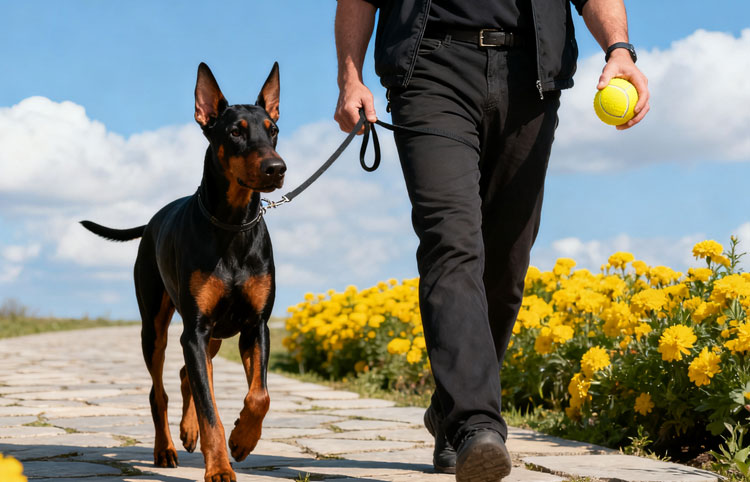
3. They possess immense energy and require substantial exercise for proper development. Insufficient activity can lead to underdeveloped hips or even deformities. Therefore, they should never be confined indoors permanently. Daily outings are essential—whether walking, running, or engaging in games like fetch. If owners lack the time to exercise them regularly, it’s best not to adopt one.
4. Due to its short coat, it is extremely sensitive to cold. While it tolerates summer heat well, it shivers easily in autumn and winter. During these seasons, provide a warm bedding and dress it in a light coat when outdoors to prevent catching a chill.
VI. Doberman Pinscher Care
1. Pay close attention to diet. Choose high-protein, hypoallergenic premium dog food. Puppies need frequent small meals—feed 3 to 4 times daily while growing. Once mature, 1 to 2 meals per day suffice. Avoid overfeeding, as it leads to obesity and puts strain on their bodies.
2. Start training early—the optimal window is between 3 to 6 months. Avoid harsh methods like hitting or scolding. Instead, use positive reinforcement: reward correct actions with treats and praise to encourage learning. Focus on teaching obedience, such as when to be quiet and when to interact with people. Also, expose them to strangers and other animals to gradually acclimate them to the outside world.
3. Daily exercise is non-negotiable. Doberman Pinschers have boundless energy, requiring at least 1-2 hours of outdoor activity daily. However, puppies’ developing bones cannot handle intense workouts, which may damage their hips. Gradually increase exercise intensity as they mature.
4. Grooming is relatively low-maintenance. Its short coat only requires brushing 1-2 times weekly to remove loose hair and dust. Bathing isn’t needed too frequently—once or twice a month is sufficient. Always thoroughly dry its coat afterward to prevent skin infections. Additionally, trim its nails regularly to prevent overgrowth that could embed into the flesh. Clean its ear canals frequently to avoid wax buildup.
5. Health management is crucial. Administer deworming on schedule and keep vaccinations current. Annual checkups are recommended, with special attention to the hips and heart—areas prone to issues in Doberman Pinschers. Early detection and intervention can prevent significant suffering.
6. Provide a spacious living environment with ample room for exercise. Spend quality time with your dog regularly, as Doberman Pinschers are highly affectionate. Chronic loneliness can lead to anxiety and destructive behavior. When interacting, be patient and communicate gently to gradually build trust, which will improve obedience.
VII. Foods Doberman Pinschers Should Not Eat
1. Deadly Foods
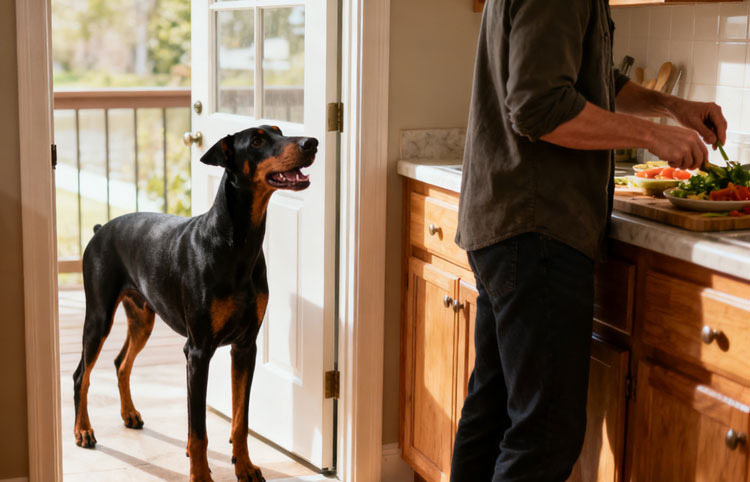
Chocolate and coffee are absolutely off-limits. Doberman Pinschers cannot metabolize their components. Even a tiny amount can cause vomiting, seizures, or irregular heartbeat. In severe cases, death may occur within 24 hours. Grapes and raisins, whether fresh or dried, can cause acute kidney failure. No safe consumption level has been established; even a single grape can be toxic. Avoid feeding onions and garlic as well, as their sulfides destroy red blood cells, leading to anemia. Symptoms may take days to appear, often by which time the condition is severe.
2. High-Risk Foods
Alcoholic beverages are strictly off-limits. Even small amounts of beer can impair their central nervous system, potentially causing respiratory or cardiac failure, or even coma. Avocados are also dangerous; the glyceric acid they contain can cause vomiting and diarrhea, while the pit may get lodged in the esophagus, requiring veterinary removal. Hawaiian nuts should also be avoided. Consumption can cause fever, weakness, and vomiting. While not immediately fatal, they cause significant harm and slow recovery.
3. Foods to Consume with Caution
Many Doberman Pinschers experience discomfort—such as bloating and diarrhea—after drinking milk or consuming dairy products. This is due to lactose intolerance, so it’s best to avoid feeding them dairy. Common human snacks like potato chips and cakes contain salt, sugar, and additives. Long-term consumption can lead to kidney disease, obesity, and even diabetes. Additionally, never feed bones. Broken bone fragments can scratch the esophagus and digestive tract, or become lodged in the intestines, requiring surgery for removal.
VIII. Doberman Pinscher Training
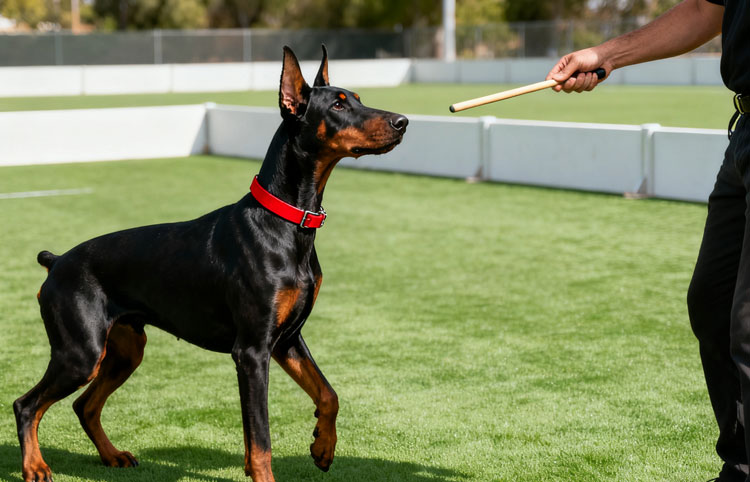
1. Basic training is most effective between 3 and 6 months of age. Start with simple commands like “Sit,” “Down,” and “Heel.” Use consistent, straightforward commands—for example, say “Sit” while gently pressing down with your palm to help them understand. Immediately reward correct responses with treats and praise. Keep training sessions brief—10 to 15 minutes is sufficient—to prevent distraction and maintain focus. Additionally, due to their strong territorial instincts, expose your Doberman to interactions with strangers and other dogs during training to gradually reduce aggression.
2. Once it masters basic commands, advance to higher-level training like “guard” or “refuse treats from strangers.” For example, to teach refusal, have a friend hold a treat in front of it. If it tries to take it, immediately say “No!” If it obeys and doesn’t touch it, reward it. Repeat this several times until it understands it must obey its owner and not eat food offered by others. During training, remember that Doberman Pinschers are muscular dogs—avoid physical punishment. If it makes a mistake, temporarily withhold playtime or rewards so it learns it did something wrong.
Daily exercise of 1-2 hours is essential to burn off excess energy, which also enhances training effectiveness. Once the dog reaches adulthood, annual refresher training is recommended to reinforce learned commands and prevent forgetting over time.
Between 3.9 and 12 months, prioritize socialization training. Take it to various locations like parks and neighborhoods, exposing it to different people and other dog breeds. Reward it when it doesn’t lunge at other dogs. If it shows nervousness around strangers, gently stroke its head and speak softly to reassure it. “Refusal to Eat” training is also crucial during this period, as people may offer food outside. Consuming dangerous items could cause serious problems. Never use physical punishment or harsh words during training—Dobermans have strong personalities and may become more rebellious when scolded. If it misbehaves, simply ignore it. Over time, it will learn that such actions are unacceptable.
IX. Grooming and Care Tips for Doberman Pinschers
1. Coat Care
As a short-haired breed, Doberman Pinschers don’t require daily brushing. A rubber brush or slicker brush once or twice weekly is sufficient. Brushing not only removes loose hair and dust but also stimulates sebum production, enhancing coat shine. While brushing, inspect its skin for red spots or dandruff. If present, promptly check for skin conditions and prevent scratching to avoid infection.
2. Nail Trimming
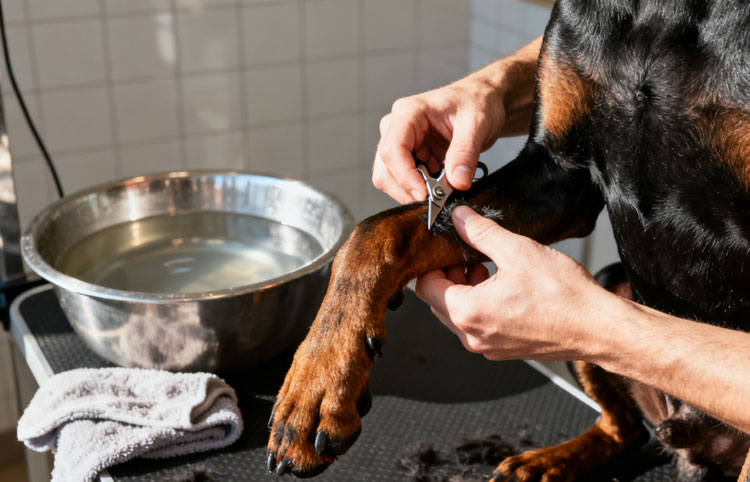
Trim nails every 1-2 weeks using pet-specific clippers. Avoid the quick by cutting only the white, translucent part, leaving 1-2 mm of the nail. If bleeding occurs accidentally, stay calm. Apply styptic powder to the wound and press gently; bleeding should stop shortly. Neglecting nail trims can cause nails to grow curved and embed into the paw pads, causing pain when walking and requiring veterinary treatment.
3. Ear Cleaning
Doberman Pinschers with cropped ears are prone to earwax buildup. Clean their ear canals weekly using pet ear cleaning solution. First, apply ear drops into the outer ear canal. Gently massage the base of the ear for about 10 seconds, then let the dog shake its head to expel the liquid. Use a cotton swab to wipe away any remaining debris from the outer ear canal. Never insert the swab deep into the ear canal, as this can damage the eardrum.
4. Dental Care
Brush its teeth 2-3 times weekly using pet-specific toothpaste and a toothbrush. Hold the brush at a 45-degree angle, focusing on cleaning the gumline where teeth meet gums—the area most prone to food residue buildup. You can also provide dental chews to help remove tartar and freshen breath. Never use human toothpaste, as its ingredients are harmful to pets.
5. Bathing Techniques
Bathe your dog every 2 to 3 weeks using dog-specific shampoo. Maintain water temperature between 38°C and 40°C (100°F to 104°F), matching its body temperature—avoid water that’s too hot or too cold. During bath time, thoroughly wet the coat first. Apply shampoo evenly and gently massage it in, paying extra attention to areas prone to dirt like the abdomen and armpits. After rinsing, use an absorbent towel to blot away excess water. Then, thoroughly dry the coat with a hairdryer—never let it air-dry, as this can lead to colds or skin conditions. Avoid bathing too frequently, as this can strip the skin’s natural protective oils, increasing susceptibility to dermatitis.
X.Common Health Issues in Doberman Pinschers
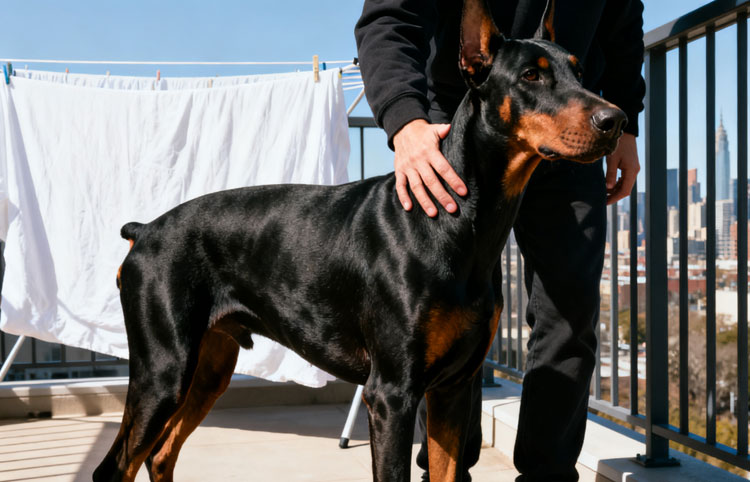
1. Dilated cardiomyopathy is the most prevalent genetic condition in Doberman Pinschers, typically emerging in adulthood. This condition causes the heart to enlarge and lose its ability to contract effectively. Initial symptoms may be subtle, but by the time coughing, labored breathing, or reluctance to move become noticeable, the disease may have progressed significantly. Severe cases can lead to sudden heart failure. Therefore, it is recommended to schedule annual cardiac ultrasounds starting at age 2. Early detection allows for medication to manage the condition, potentially extending the dog’s life with its owner.
2. Hip dysplasia is another hereditary issue, primarily involving improperly formed hip joints that fail to align correctly. Puppies may exhibit limping or reluctance to jump. Without timely intervention, this can progress to osteoarthritis in adulthood, causing severe pain and even loss of mobility. Preventive measures include limiting strenuous exercise, avoiding excessive weight gain, and supplementing with chondroitin to protect joints.
3. Gastric torsion is a “deadly killer” for Doberman Pinschers. Due to their deep chest and long body, eating too quickly or engaging in vigorous exercise immediately after eating can cause the stomach to twist. If this occurs, the dog will experience severe abdominal distension, persistent vomiting, and extreme restlessness. Without immediate surgical intervention at a veterinary hospital, the dog can die quickly. Feed it small, frequent meals to avoid overeating. Keep it calm and prevent running or jumping for 1-2 hours after eating.
XI. Differences Between American and German Doberman Pinschers
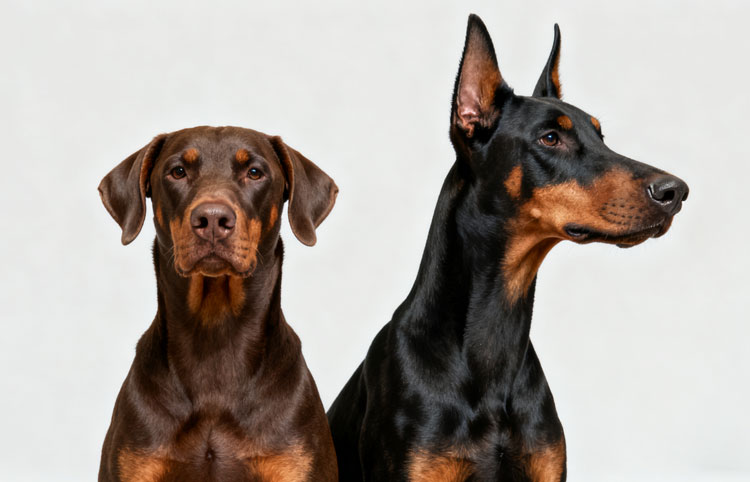
1. Height: American and German Dobermans are similar in height. American males typically stand between 26 and 28 inches tall, while German males may exceed 29 inches. Regarding weight, American Dobermans have no strict specifications, while German Dobermans have strict requirements: males must weigh 40 to 45 kilograms, and females 32 to 35 kilograms.
2. Skeletal structure also differs. American Dobermans have a shoulder blade angle of 45 degrees horizontally and a 90-degree angle with the upper arm. German Dobermans feature a steeper shoulder blade angle, ranging from 50 to 55 degrees horizontally, and a greater angle with the upper arm, reaching 100 to 110 degrees.
3. Examining leg bones reveals that the angle between the femur and tibia in American Dobermans exceeds 90 degrees, while the German variety maintains an angle of 130 degrees, giving their legs a more powerful appearance.
4. The angle between the tarsal joint (ankle) and the tibia also differs: American lines exceed 120 degrees, while German lines are approximately 140 degrees, granting German Dobermans greater stability during running.
5. Coat color recognition also differs. American Dobermans permit black, red, blue, and Isabella brown; German lines only recognize black and red, deeming other colors non-standard.
6. American standards consider missing more than four teeth a fault. German standards require every tooth to be present.

-
Sale!

Washable Pet Cooling Pad for Cats and Dogs
Original price was: $10.99.$9.99Current price is: $9.99. This product has multiple variants. The options may be chosen on the product page -
Sale!
Washable Cat Window Hammock Cooling Bed
Original price was: $23.99.$22.99Current price is: $22.99. -
Sale!
Tropical Amphibian Rainforest Tank, Lizard Cage
Original price was: $38.99.$36.99Current price is: $36.99. -
Sale!

Silent 4-in-1 Waterproof Charging Dog Hair Trimmer
Original price was: $49.88.$47.99Current price is: $47.99.
