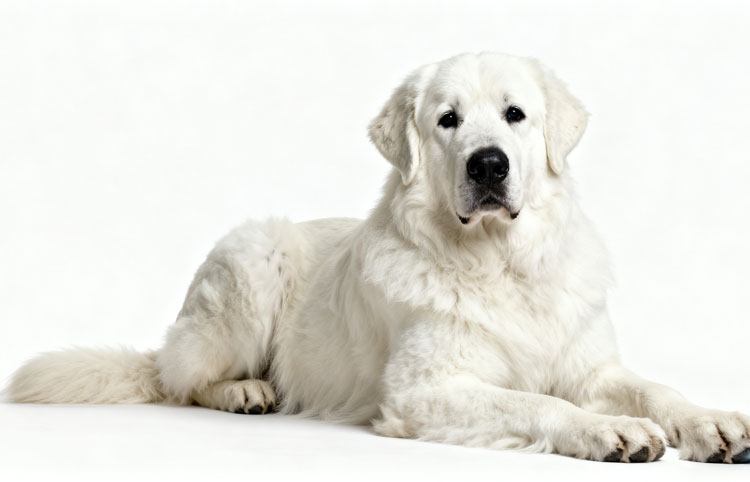
The Great Pyrenees is an ancient working dog originating from the French Pyrenees mountains. Though large and imposing in stature, it possesses a naturally gentle and patient temperament. The Great Pyrenees dog’s primary duty is guarding flocks and households. While highly vigilant toward strangers, it is exceptionally affectionate toward “family,” especially children. Independent and steady in temperament, it remains particularly alert at night, enjoying patrols of its territory. Though not fond of intense exercise, its commanding presence and unwavering loyalty make it a dependable large companion dog.

I. Advantages of the Great Pyrenees Dog
1. Exceptional Guarding Ability
With millennia of sheep-herding heritage, they instinctively maintain a cool demeanor toward strangers. They rarely bark at night, quietly locking onto suspicious targets. When needed, their sheer bulk—weighing over 100 pounds—blocks doorways with imposing presence.
2. Gentle with Family
Great Pyrenees dogs exhibit boundless patience, especially toward children. They let kids climb all over them and tug their ears, acting like walking, furry nannies. A single hug can heal the entire universe.
3. Cold Tolerance
Their double coat keeps them unfazed even at -20°C. They’re content with just one or two hours of daily walks, never demanding attention—perfect for socially anxious or laid-back pet owners.
4. Independent
Not clingy, they have their own space and respect yours—that cool yet dependable contrast is irresistibly charming.
II. Great Pyrenees Drawbacks
1. Shedding
Two massive shedding seasons annually—white fur will blanket your home like snow. Not for those intolerant of furry carpets.
2. Nighttime Barking
The slightest sound triggers low growls and vocalizations. Apartment dwellers risk feuding with neighbors—they thrive only in suburban homes.
3. Stubbornness
They obey only commands they deem correct. If they decide you can’t leave, they’ll block the door. Can you push a hundred-pound dog?
4. High Maintenance Costs
They eat like horses, medicated baths are pricey, and sick visits require two people to carry them to the vet. Think twice if your budget is tight.
5. Strong Protective Instincts
Polite yet distant toward all “outsiders.” When friends visit, they’ll shadow them constantly, often mistaken for being “aggressive.”
III. Great Pyrenees Dog Care Guide
1. Space Requirements
Apartment living is practically torture. They need a yard or rural setting ideally, with at least 1-2 hours of free daily exercise. Without space to roam, they become depressed, bark incessantly, and destroy the house.
2. Coat Care
Double-layered coat. Undercoat sheds heavily twice a year; shedding is minimal otherwise. The key is a thorough weekly brushing using a large-toothed comb and rake to remove dead hair. During shedding periods, brush daily to prevent painful matting. Bathe sparingly—every 2-3 months is sufficient—using pet shampoo to avoid skin dryness.
3. Temperament Training
Their protective instincts are extremely strong. They will bark aggressively at strangers on what they perceive as “their territory” and may even charge. The 3-6 month period is critical for socialization. Take it out frequently to encounter people, vehicles, and other dogs, teaching it that “normal strangers are not threats.” Avoid harsh scolding, as it will become stubborn. Rewards and patient guidance are effective. As an adult, it generally ignores commands but is extremely gentle and protective toward family members.
4. Diet Management
As a giant breed, it grows rapidly and is prone to hip and elbow development issues. Feed large breed puppy food until age 1; avoid overfeeding that accelerates growth. Adults require two daily meals—adjust portions based on size (800-1200g for 80-120kg dogs). Supplement with joint supplements regularly. Night patrols are instinctive; avoid crate confinement during sleep to prevent anxiety.
IV. Great Pyrenees Selection Guide
1. Assess Pedigree
Always inspect the parents, especially the mother. 90% of a Great Pyrenees’ temperament and health is genetic. A calm, people-friendly, non-nervous mother indicates a high likelihood of good traits. The father should ideally be present to assess bone structure and build. Certified hip and elbow health in both parents is preferable to prevent future lameness.
2. Assess Temperament
Great Pyrenees are independent guarding herding dogs, not clingy like Golden Retrievers. Puppies aged 8-12 weeks should exhibit “boldness + composure”: they won’t struggle when picked up, won’t bark wildly or retreat at strangers’ approach, can entertain themselves while occasionally glancing at you. This is the ideal standard. Puppies that are too timid may become neurotic and prone to nipping, while overly hyper ones may bark through the night until you’re driven to distraction.
3. Bone Structure and Build
Legs should be thick, straight, with moderate rear knee angulation. Chest should be deep with ribs easily palpable. Paws should be large and round. Excessively delicate builds often fail to develop fully, potentially reaching only 70-80 pounds as adults, significantly reducing guarding capabilities.
4. Assessing Coat Density
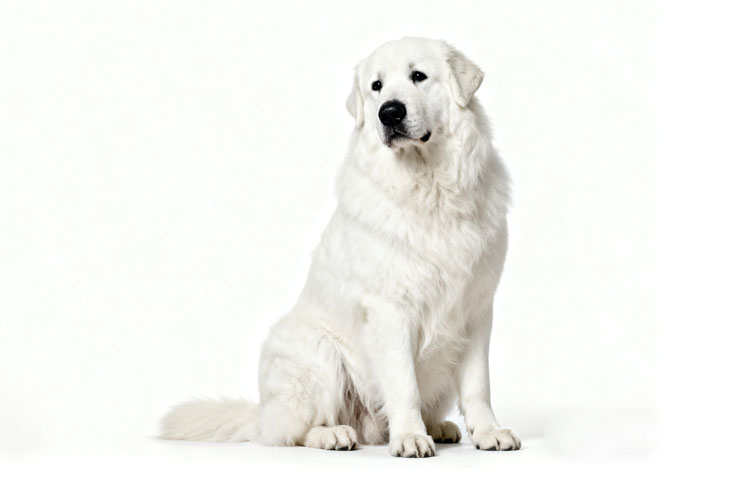
Many sellers tout “ultra-thick double coats.” Authentic Great Pyrenees have dense undercoats, but their outer coats are coarse, water- and snow-resistant, and as easy to manage as steel wire. Fluffy, cotton-like coats usually indicate Samoyed crossbreeding, resulting in messy, matted fur that sheds constantly.
5. Purchase Channels
Reputable working dog breeding facilities. Established show lines (Japanese/European) with proven pedigrees.
Pet stores, flea markets, and weekend dog shows are 99% subpar stock—don’t be swayed by sentimentality.
V. Grooming Methods for Great Pyrenees Dogs
1. Brushing
Thoroughly brush through the coat at least 2-3 times weekly, increasing to daily during shedding season. We recommend using a combination of a large steel pin brush and a long-toothed greyhound comb: first use the pin brush to smooth the outer coat, then use the greyhound comb to reach deep into the undercoat, removing dead hair and tangles in one go. Focus on the three most prone-to-tangle areas: the pants, chest fur, and tail. Many owners only brush the surface, resulting in matted undercoat that eventually needs shaving—a real shame.
2. Bathing
Under normal circumstances, bathing every 6-8 weeks is sufficient. Over-bathing damages the natural oil barrier, leaving the coat drier and more unruly. Use a gentle, dog-specific shampoo and ensure thorough rinsing. Immediately after bathing, use a high-powered pet dryer to remove excess moisture. Once the coat is 80% dry, comb through with the steel pin brush to achieve a fluffy, snow-white finish.
3. Spot Cleaning
Great Pyrenees have long paw fur that easily gets dirty in snow or rain. Wipe their paws, rear end, and mouth area with wet wipes or no-rinse foam when they come inside. Clean ears weekly with ear solution to prevent ear mites.
4. Trimming
Trim fur around paw pads into a cat-paw shape. Remove excess hair behind the hock. Neaten stray hairs around ear edges. Trim excess fur at the tail base and breeches. Avoid trimming other areas, especially the mane and skirt, as these are breed-specific features.
5. Essential Tools for Shedding Season
Spring shedding can be overwhelming. Equip yourself with a vacuum cleaner, lint roller, and high-frequency vibrating de-shedding brush. Spend 15 minutes daily brushing in the direction of the fur to prevent your home from being buried in “snow.”
VI. Vaccinations and Deworming for Great Pyrenees Dogs
1. First-Year Vaccination Schedule:
First shot at 6–8 weeks, second shot 3–4 weeks later, third shot another 3–4 weeks after that.
Covers distemper, parvovirus, infectious hepatitis, parainfluenza, adenovirus, and leptospirosis.
2. Rabies Vaccine:
First shot at 3 months, then annually thereafter.
3. Internal Deworming
Puppies: Administer at 2 weeks, 4 weeks, 6 weeks, 8 weeks, and 12 weeks, followed by monthly doses until 6 months of age.
Adult dogs: Administer every 3 months.
4. External Parasite Control
Recommended spot-on treatments: Frontline, Flea & Tick, or Advantage Multi.
Frequency: Monthly during warm seasons; every 2–3 months in winter.
VII. Great Pyrenees Dog Training Methods
1. Establish Dominance
The critical period is 8–16 weeks. During this time, it still views you as the “alpha wolf.” You must win every minor interaction 100% of the time: who eats first, who leaves first, who decides when play ends. Lose once, and it will remember for life. Trying to reverse this after adulthood is nearly impossible.
2. Avoid Confrontation
Great Pyrenees fear being ignored most. If it jumps on you, nips at your pants, or barks excessively? Turn away and walk off—complete silence is 100 times more effective than scolding or hitting. As soon as it settles on all fours and quiets down, reward it generously. It will quickly learn which behaviors earn rewards.
3. Socialization
Before 12 weeks, expose it to 100 people, 50 dogs, various noises, cars, children, wheelchairs, bicycles… The more encounters per session, the better. They are naturally hypervigilant, viewing strangers as threats. Missing this critical window means they may grow into overly protective adults who bark or bite indiscriminately.
4. Leash Walking
These dogs possess astonishing strength—a full-grown male can drag you along. Training secret: The moment it pulls, stop immediately and freeze like a statue, even walking backward. Only resume walking when the leash slackens. Practice 5-10 minutes daily for 2-3 months to achieve civilized leash walking.
5. Guarding Barking
A few normal guarding barks are acceptable; eliminating them entirely is impossible. Teach the “Quiet” command: When it naturally stops barking for 0.5 seconds, immediately mark “Quiet!” and reward. Gradually extend the quiet period. For severe nighttime barking, the most effective physical noise reduction is to tire it out during the day and feed it well at night.
6. Reward Methods
Does it dislike balls or dog food? Find what it truly loves: grilled chicken breast, cheese, or liver puree work well. Rewards must be given within 3 seconds of the correct behavior, or it won’t associate the action with the reward.
VIII. Foods Great Pyrenees Dogs Should Not Eat
1. Chocolate & Caffeine: Contains theobromine and caffeine—the darker the chocolate, the more toxic. Mild symptoms include vomiting and diarrhea; severe cases may lead to seizures or cardiac arrest. A single piece of dark chocolate can poison a 70-80kg Great Pyrenees.
2. Grapes and Raisins: Even a few can cause acute kidney failure. Symptoms typically appear 6-12 hours after ingestion, and once kidney failure sets in, recovery is unlikely.
3. Onions, Garlic, Leeks: Contain sulfides that destroy red blood cells, causing hemolytic anemia. Even large dogs like Great Pyrenees can develop jaundice and bloody urine from ingestion.
4. Xylitol: Rapidly stimulates insulin secretion, causing hypoglycemia and liver failure. Can induce coma within 5 minutes.
5. Alcohol: Beer, wine, spirits—any amount can intoxicate them. Severe cases lead to respiratory depression, coma, or death.
6. Avocado: Contains persin, making the entire plant toxic. Dogs may suffer heart failure and fluid buildup in the chest or abdomen.
7. Raw yeast dough: Continues fermenting in the stomach, causing gas buildup and alcohol poisoning—a double whammy.
8. High-fat meat scraps, fried foods: Great Pyrenees are prone to pancreatitis. Consuming excessive fatty meat, fried chicken, or leftover hotpot oil can trigger acute attacks, causing excruciating pain and rolling on the floor.
9. Peach, plum, apricot, cherry pits: Contain cyanogenic glycosides that release cyanide when crushed. Chewing pits equals suicide for dogs.
IX. Common Health Issues in Great Pyrenees Dogs
1. Skeletal and Joint Problems
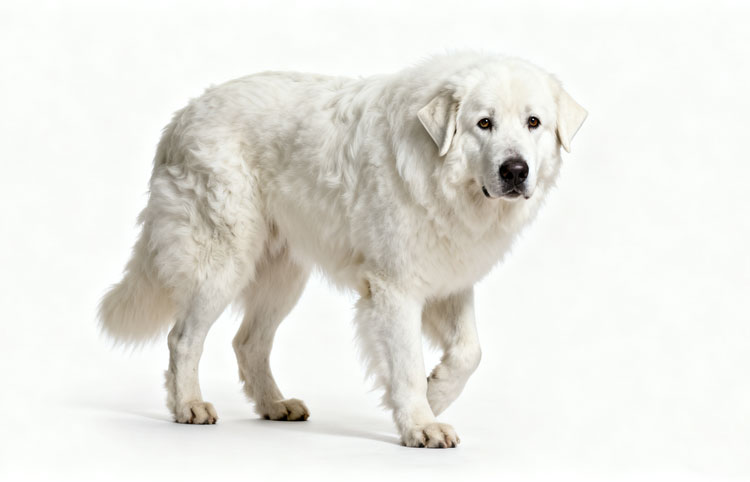
This is the breed’s most common vulnerability. Hip dysplasia and elbow dysplasia are extremely prevalent. Rapid growth during puppyhood combined with excessive weight strain can easily lead to joint deformities. Adults may also develop cruciate ligament rupture or osteochondrosis. Recommendations: Always check parents’ hip/elbow scores when purchasing. Strictly control puppy weight gain; avoid high-calcium, high-calorie diets. Begin joint supplements around 8 months.
2. Gastric Dilatation-Volvulus (GDV)
A classic fatality in deep-chested large breeds. Great Pyrenees have deep chests; overeating, excessive drinking, or vigorous exercise can cause stomach torsion, proving fatal within hours. Feed adults 2-3 meals daily using slow-feed bowls, and avoid vigorous exercise within 1-2 hours after meals. Consider preventive gastric torsion surgery if feasible.
3. Skin Conditions & Allergies
Beneath their thick white coats lies sensitive skin prone to seborrheic dermatitis, hot spots, and food/environmental allergies. Some dogs experience excessive shedding and itching during seasonal changes, with severe cases leading to hyperpigmentation. Regular bathing, hypoallergenic diets, and supplemental Omega-3 can significantly improve symptoms.
4. Eye Conditions
Common issues include progressive retinal atrophy, cataracts, and entropion. Annual CERF eye examinations are recommended, especially for senior dogs.
5. Heart and Tumors
Osteosarcoma has a higher incidence in Great Pyrenees, especially after age 10. Dilated cardiomyopathy also occurs but is less prominent.
6. Hypothyroidism
Common in medium to large breeds, including Great Pyrenees. Symptoms include cold sensitivity, poor coat quality, lethargy, and difficulty gaining weight. Diagnosis is confirmed via blood T4 testing, and lifelong medication is required for management.
X. Great Pyrenees Dog Pricing
In the United States, a healthy puppy typically costs $1,000 to $2,500 in 2025. Non-AKC-registered family dogs range from $800 to $1,500, while AKC-registered dogs cost $1,200 to $2,200.
XI. Great Pyrenees Dog Lifespan
Great Pyrenees dogs have an average lifespan of approximately 10-12 years, which is within the standard range for large breeds. Some well-managed individuals may live to 13-14 years, but exceeding 14 years is very rare.

-
Sale!
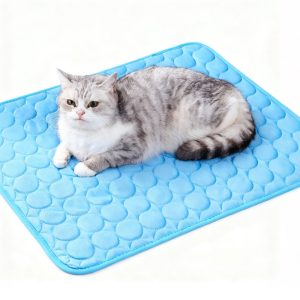
Washable Pet Cooling Pad for Cats and Dogs
Original price was: $10.99.$9.99Current price is: $9.99. This product has multiple variants. The options may be chosen on the product page -
Sale!
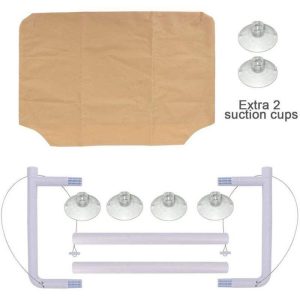
Washable Cat Window Hammock Cooling Bed
Original price was: $23.99.$22.99Current price is: $22.99. -
Sale!
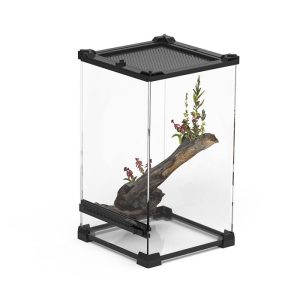
Tropical Amphibian Rainforest Tank, Lizard Cage
Original price was: $38.99.$36.99Current price is: $36.99. -
Sale!

Silent 4-in-1 Waterproof Charging Dog Hair Trimmer
Original price was: $49.88.$47.99Current price is: $47.99.
