The King Charles Spaniel has been a beloved companion to the British royal family for centuries. Compact and dainty, weighing only 5-8 kilograms, it boasts the most captivating large eyes and silky, floppy ears. Naturally gentle and considerate, it is affectionate yet quiet, never barking or biting indiscriminately. With an excellent temperament and a knack for being affectionate, it loves to lounge by its owner’s side all day as a human hot water bottle, making it ideal for apartment living.

I. Advantages of the King Charles Spaniel:
1. Gentle Temperament
The King Charles Spaniel is inherently non-aggressive, friendly toward strangers, and patient with children—a true “family clingy companion.” It rarely barks unnecessarily, maintains stable emotions, and seldom causes trouble for its owner.
2. Stunning Appearance
With large, expressive eyes, a silky coat, and an elegant build, the King Charles Spaniel exudes an aristocratic charm wherever it goes. It’s perfect for owners who love photography and appreciate refined pets.
3. Adaptable Nature
With their compact size and moderate exercise needs—30-40 minutes of daily walks suffice—King Charles Spaniels thrive in homes without large yards, making them perfect for families with limited living space.
4. Family-Friendly Companion
King Charles Spaniels enjoy quietly curling up close to their humans. Their keen sensitivity makes them popular as emotional support dogs, offering significant comfort to seniors living alone or families with children on the autism spectrum.
II. Drawbacks of the King Charles Spaniel:
1. Genetic Health Issues
This is the most critical concern. Mitral valve disease affects over 90% of the breed, with many dogs developing heart problems between ages 5-8. Late-stage treatment is costly and painful. Other common conditions include dry eye syndrome, epilepsy, and patellar luxation. Always verify the health certificates of the parents before purchasing.
2. Demanding Coat Maintenance
Their long coats are prone to matting, particularly around the ears, legs, and tail. Weekly brushing (2-3 times) is essential, followed by thorough drying after baths to prevent skin infections. While shedding isn’t excessive, it is consistent.
3. Heat Sensitivity
As a brachycephalic breed, King Charles Spaniels are highly susceptible to heatstroke in summer. Avoid prolonged sun exposure or strenuous exercise.
4. Separation Anxiety
King Charles Spaniels are extremely clingy. Prolonged solitude often triggers anxiety, leading to howling or furniture destruction. They are unsuitable for households where owners frequently travel or are absent all day.

III. Key Care Points for King Charles Spaniels
1. Exercise Requirements
As companion dogs, King Charles Spaniels have moderate exercise needs. Daily walks of 30-40 minutes suffice. Ensure ample indoor space; prolonged crate confinement or free-roaming is inadvisable. They are sensitive to cold—provide clothing or heated pads in winter. In summer, prevent heatstroke by avoiding midday sun exposure.
2. Diet
King Charles Spaniels are prone to weight gain, so strict portion control is essential. Opt for high-quality small breed dog food, divided into 2-3 meals daily. Adult dogs require approximately 50-80g per day. Never feed human food, especially toxic items like chocolate, onions, or grapes. Switch to senior formula after age 8 to protect kidney health.
3. Coat Care
Long hair is the hallmark of the King Charles, but it’s also prone to matting. Daily brushing is essential using a steel comb and slicker brush, thoroughly combing from between the toes to behind the ears. Bathe every 2-3 months using a pet-specific conditioner to prevent dryness. Areas under the ears, armpits, and inner legs are most susceptible to matting. Untangle any mats promptly to prevent skin infections.
4. Health Concerns
Common hereditary conditions include mitral valve disease, dry eye syndrome, patellar luxation, and otitis externa. Their long, floppy ears offer poor ventilation, requiring weekly cleaning. Large, protruding eyes prone to tearing benefit from regular eye-area cleaning to minimize tear stains.
5. Temperament and Socialization
King Charles Spaniels are intensely affectionate and fear loneliness, often exhibiting separation anxiety. Early training in brief alone time is recommended to avoid overindulgence. They are friendly toward strangers but timid; sudden loud noises or rapid movements may startle them. Suitable for seniors, singles, or households with consistent companionship.
IV. Selecting a King Charles Spaniel
1. Choose Reputable Breeders
High-quality dogs almost always come from responsible breeders. They will proactively provide health certificates and pedigree papers for the parents and welcome visits to their kennel. Pet stores and mass breeding facilities often conceal genetic disorders and are strongly discouraged.
2. Prioritize Observing the Parent Dogs
The mother’s temperament directly influences the puppies. An ideal mother should approach people willingly, have gentle eyes, be unafraid of crowds, and show no aggression. If the sire is present, observe him as well. If both parents are gentle, the puppies have an over 80% chance of inheriting good temperaments.
4. Key Physical Selection Points
Head: Distinct stop, large dark eyes without protrusion.
Jaw: Slightly undershot jaw is normal; severely undershot or scissors bite is a fault.
Body size: Adult males ideally weigh 5.4–8kg, females slightly less. An 8-week-old puppy around 1.8–2.5kg is standard.
Coat: Four colors: black and tan, red and white, tricolor, or Blenheim. Color does not affect health—choose based on preference, though the diamond-shaped white forehead patch is classic for Blenheims.
5. Temperament Test
When picked up, the puppy should remain calm or gently lick you, not scream or struggle. When placed on the ground, it should follow you willingly and wag its tail. Clapping hands or gently dropping keys to make noise should not cause extreme fright. These are signs of confidence and stability.

V. King Charles Spaniel Grooming Guide
1. Brushing
Brush thoroughly at least 3 times weekly, increasing to daily during heat cycles or humid seasons. Essential tools: pin brush, wide-tooth comb, detangling comb, fine-tooth flea comb. High-risk matting areas include behind ears, armpits, belly, and breeches. First, use the detangling comb to layer-by-layer loosen knots, then brush with the pin brush in the direction of hair growth, finishing with the wide-tooth comb to smooth the outer coat.
2. Bathing
Bathe adult King Charles Spaniels every 3–4 weeks. More frequent bathing can strip protective oils. Use a mild, pet-specific shampoo, focusing on areas behind the ears, the belly, and the inner legs. Always thoroughly brush the coat before bathing; wet tangles are much harder to manage. After bathing, press excess water out with a towel, then blow-dry on a low setting until about 80% dry to prevent chills.
3. Trimming
Paw pads: Trim hair on pads to prevent slipping and dirt buildup.
Toes: Trim excess hair between toes to maintain rounded “paw pad” appearance.
Ear edges and tail base: Lightly trim loose ends while preserving natural feathering.
Anal area: Keep hair short to prevent fecal buildup.
4. Ear Cleaning is Paramount
King Charles Spaniels’ floppy ears are highly prone to inflammation. Weekly use of pet ear-cleaning solution: apply drops into the ear canal, massage the base for 30 seconds, then let the dog shake its head to expel debris. Gently wipe visible areas with a cotton pad—never insert deep into the ear canal. Seek immediate veterinary care if redness, odor, or brown discharge appears.
5. Eye and tear stain care
Gently wipe the eye area daily with a cool, damp cotton pad using a warm water rinse, moving from inner to outer corners. For mild tear stains, apply specialized tear stain powder or liquid under the eyes. Severe cases may require dietary adjustments.
VI. Vaccinations and Deworming for King Charles Spaniels
1. Core Vaccinations
6–8 weeks: First dose of 2-in-1/4-in-1 vaccine (distemper, parvovirus, or with parainfluenza and infectious hepatitis).
10–12 weeks: Second dose of the same brand multivalent vaccine.
14–16 weeks: Third dose of multivalent vaccine and first rabies vaccine. A second rabies booster is administered 1–2 weeks after reaching 16 weeks of age.
2. Annual Boosters
After adulthood, administer one multivalent vaccine and one rabies vaccine annually. Recommended mainstream brands include Intervet (Netherlands), Fido/Meria (USA), etc. Seven- or eight-in-one vaccines are acceptable. King Charles Spaniels do not require additional canine Lyme disease vaccines.
3. Internal Deworming
Puppies: Administer at 28, 42, 56, 70, and 84 days of age, followed by every 3 months thereafter. Common medications: Bayer, Ivermectin, or Heartgard Plus. Dose based on body weight (kg). Adult King Charles Spaniels typically weigh 6–10 kg.
4. External Parasite Control
Monthly spot-on treatments: Heartgard Plus, Frontline, Super Trust, or Ivermectin. King Charles Spaniels with droopy ears are prone to ear mites. Use monthly miticide-containing ear drops or clean ears weekly.

VII. King Charles Spaniel Training Methods
1. Potty Training
King Charles Spaniel puppies have very small bladders and require walks every 30-60 minutes. Take them out at fixed times: after waking, eating, playing, or drinking. Choose a specific spot in the yard or on the balcony. Immediately reward successful elimination with a high-value treat and gentle praise. Use a crate at night—they naturally dislike messes and rarely soil their bedding. Consistency for 3-4 weeks will achieve full indoor potty training.
2. Basic Obedience
Sit: Hold a treat and slowly guide it from the nose toward the top of the head. When the hindquarters naturally lower, immediately say “Good sit” and reward.
Down: From a sitting position, guide the treat downward between the front legs, then pull forward. They will naturally lie down.
Stay/Stop: Before going out or eating, have them sit and wait until you say “OK” before proceeding. This greatly reduces impulsive behavior.
Recall: The most effective method is a two-person fetch game. One person holds the dog while the other stands 5 meters away and sweetly calls its name, “Come.” When it runs over, praise lavishly and give a treat. Gradually increase the distance.
Train for 3-5 minutes daily, split into 4-5 sessions. Keep it short and enjoyable—they learn fastest this way.
3. Socialization
Charlie King is naturally friendly, but missed socialization can lead to fear of strangers or noises. Weekly visits to diverse environments—pet-friendly malls, parks, cafes—expose them to adults, children, other dogs, bicycle sounds, umbrellas, etc. Reward every positive interaction. At home, play urban noise desensitization audio daily, starting low volume with treats, gradually increasing.
4. Common Problem Correction
Excessive Barking: Mostly caused by boredom or seeking attention. Ignore barking, then reward immediately when quiet for just one second. They’ll learn that quiet behavior yields positive results after a few sessions.
Leash Pulling: Stop moving. Wait until the leash slackens before continuing, or suddenly change direction. This teaches them that pulling yields no benefit—they must walk close to move forward.
VIII. Foods King Charles Spaniels Should Not Eat
1. Chocolate and any products containing theobromine/caffeine
King Charles Spaniels have a much lower tolerance for theobromine than other breeds. As little as 30g of dark chocolate can cause severe poisoning, manifesting as vomiting, tachycardia, seizures, or even sudden death. While white chocolate is less toxic, it is still strictly prohibited.
2. Grapes and raisins
As few as 4–5 raisins can cause acute kidney failure. Due to their small size, King Charles Spaniels have an even lower danger threshold. Symptoms like oliguria or anuria appear 24–72 hours after poisoning, with an extremely high mortality rate.
3. Onions, garlic, leeks, scallions
Contain N-propyl disulfide, which destroys red blood cells and causes hemolytic anemia. King Charles Spaniels are inherently prone to anemia, and even amounts found in cooked foods can be lethal.
4. Xylitol
Causes a sharp insulin spike, leading to rapid hypoglycemia, seizures, and liver failure. Toxicity occurs at 0.1g/kg; for a 9kg King Charles Spaniel, just one or two pieces of gum are sufficient.
5. Avocado
Contains persin, rendering the entire plant toxic. Cardiac-type King Charles Spaniels are particularly susceptible to myocardial damage and pericardial effusion.
6. High-Salt, High-Fat Human Foods
Ham, bacon, cheese, fried chicken, potato chips, etc., can trigger acute pancreatitis and exacerbate heart failure caused by mitral valve disease.
7. Raw dough and alcohol
Raw dough ferments in the stomach, producing alcohol that causes intoxication; any alcoholic beverage is equally lethal.

IX. Common Health Issues in King Charles Spaniels
1. Mitral valve degeneration
This is the leading cause of death in King Charles Spaniels, with over 90% of individuals developing varying degrees of heart valve issues during their lifetime. Early signs may only include heart murmurs, while later stages present with coughing, difficulty breathing, fainting, or even heart failure. Regular cardiac ultrasounds are the only method for early detection, with many dogs showing symptoms between 6-8 years of age.
2. Syringomyelia and Occipital Hypoplasia
Approximately 30-70% of King Charles Spaniels carry the genetic predisposition for syringomyelia (SM). Severe cases cause intense neuralgia, manifesting as neck/shoulder/ear scratching, yelping, and head-shying. Occipital hypoplasia is the underlying anatomical cause of SM. Currently incurable, management relies on pain medication and surgical intervention.
3. Short Nose Syndrome
The characteristic apple-shaped head and short muzzle structure predispose them to breathing difficulties, snoring, exercise intolerance, overheating, and even fainting. Severe cases may require surgery to correct elongated soft palate or narrowed nostrils.
4. Dry Eye Syndrome and Corneal Ulcers
Large, protruding eyes predispose them to insufficient tear production and corneal damage, manifesting as frequent blinking, eye rubbing, and increased discharge. Untreated cases may lead to blindness.
5. Ear Canal Infections
Long, floppy ears offer poor ventilation, creating a warm, moist environment ideal for bacterial and yeast growth. Recurrent otitis externa is nearly universal.
6. Patellar Luxation
Common in small breeds, characterized by sudden hindlimb lameness. Often hereditary; mild cases may be managed conservatively, while severe cases require surgery.
X. King Charles Spaniel Pricing
Latest market conditions as of December 2025:
Premium Companion-Grade King Charles Spaniel: $2,800–$4,500
Show-quality/potential show dogs: $5,000–$8,500
Top-tier imported bloodlines or adult champions: $12,000–$35,000
XI. King Charles Spaniel Lifespan
The average lifespan of a King Charles Spaniel is approximately 10–14 years, with 12–13 years being most common.

-
Sale!
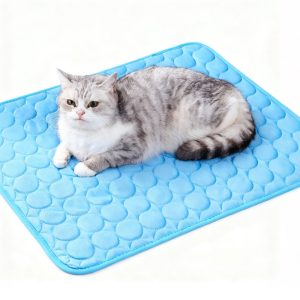
Washable Pet Cooling Pad for Cats and Dogs
Original price was: $10.99.$9.99Current price is: $9.99. This product has multiple variants. The options may be chosen on the product page -
Sale!

Washable Cat Window Hammock Cooling Bed
Original price was: $23.99.$22.99Current price is: $22.99. -
Sale!

Tropical Amphibian Rainforest Tank, Lizard Cage
Original price was: $38.99.$36.99Current price is: $36.99. -
Sale!

Silent 4-in-1 Waterproof Charging Dog Hair Trimmer
Original price was: $49.88.$47.99Current price is: $47.99.
