The Beagle is a compact, muscular small to medium-sized hound breed. Its signature floppy ears and gentle, large brown eyes instantly melt hearts. Known for their sweet, cheerful, and curious nature, they are exceptionally friendly toward children and strangers alike, earning the nickname “everyone’s favorite little bundle of joy.” Bringing home a Beagle means welcoming a smiling, affectionate, forever-young little rascal!

I. Advantages of the Beagle
1. Exceptional Temperament: Incredibly friendly, instantly at ease with adults, children, strangers, and even other dogs. Virtually non-aggressive, they’re true “walking social butterflies.”
2. High Intelligence: Quick learners with a strong food motivation for training. A single piece of chicken jerky will make them absolutely ecstatic.
3. Perfect Size: 15-30 pounds (6.8-13.6 kg), ideal for apartments—compact and easy to carry.
4. Long Lifespan: Averaging 13-15 years, they’ll be by your side for years to come.
5. Naturally Optimistic: Perpetually energetic, they’re pure emotional therapy—the ultimate healing companion.
II. Drawbacks of Beagles
1. Super-sensitive nose: Once they catch a scent, their brain shuts down. Yelling won’t help—walking them often means shouting or chasing, making them prone to running off.
2. Earth-shattering barks: Their hunting instincts mean loud, persistent howls. Neighbors might “kindly” complain.
3. Heavy Shedding: Despite short fur, they shed relentlessly year-round, leaving your sofa perpetually camouflaged.
4. Destructive Tendencies: Boredom leads to home demolition—they adore chewing everything from shoes to wires to remotes. Nothing is safe.
5. Urinary Sensitivity: Small bladder + excitement = frequent peeing. Puppies need walks every two hours; otherwise, your home becomes a random perfume display.
6. Difficult to keep slim: Pathologically greedy eaters. Even overweight, they look utterly innocent, tempting you to feed them more. This easily leads to pancreatitis, intervertebral disc issues, etc.
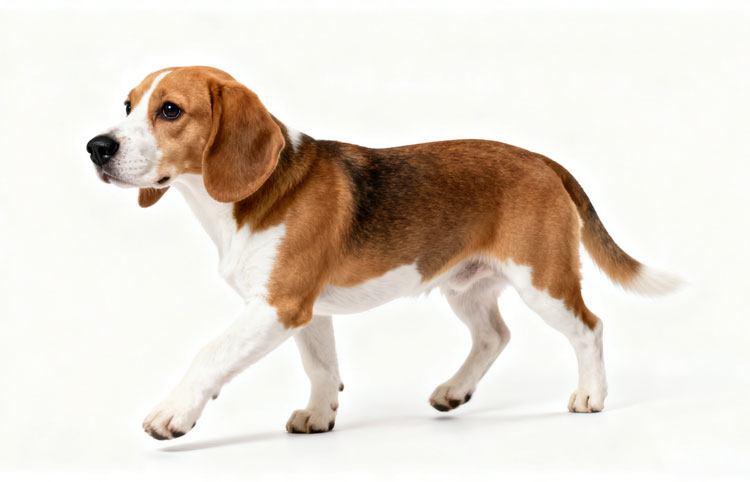
III. Beagle Care Methods
1. Diet
Beagles are born foodies and gain weight rapidly! Feed strictly measured portions of dog food. Don’t fall for those pleading innocent eyes. Choose high-quality, high-protein kibble. Maintain a healthy weight between 9-11kg. Limit treats to under 10% of total daily calories to prevent intervertebral disc disease and joint problems.
2. Exercise
Require at least 1.5-2 hours of vigorous daily exercise! Include two dedicated walks where they can sprint, play fetch, and track scents. Otherwise, they’ll release pent-up energy through howling and destructive behavior. Beagles are hounds—their noses work better than their brains. Taking them out to sniff scents will make them ecstatic.
3. Training
Start teaching potty training and basic commands at 8 weeks. Beagles are stubborn but food-motivated—using treats doubles training effectiveness. Focus on curbing “excessive barking” and “picking up food.” Always leash them outdoors; they’ll vanish at the first scent.
4. Daily Care
Long ears are prone to infections—check and clean weekly.
Moderate shedding; brush 2-3 times weekly, daily during spring/fall shedding peaks.
Trim nails regularly. For vocal dogs, teach the “Quiet” command with treats.
Never skip vaccinations, deworming, or dental care.
IV. Selecting a Beagle
1. Purpose
For pets, choose gentle, bold personalities. For hunting or competitions, prioritize keen noses, strong drive, and sturdy bone structure. Pet dogs can be slightly above average, but show/hunting dogs must meet strict standards.
2. Age
Puppies aged 8-12 weeks are ideal—their personalities are mostly set, revealing courage and affection levels. Too young may have health risks; too old makes bad habits harder to correct.
3. Evaluate Parents
The mother’s temperament is directly inherited. Observing her wagging her tail and approaching you will give you a reliable indication. The father can be assessed through photos, focusing on coat color and bone structure.
4. On-Site Testing
Courage Test: Sudden clapping or dropping keys—if it startles but recovers quickly, it’s bold and suitable for home life. If it hides in its crate for a long time, it’s timid and may grow up to be shy or bark excessively.
Attached to People: If you turn to leave and it frantically chases you or nibbles your pants, it’s a clingy companion—perfect for a pet.
Hunting Instinct: Toss a few kibbles far away. If it bends down and searches frantically, it shows strong hunting instincts and a keen nose.
5. Physical Appearance
Eyes: Bright and clear. Reject if there’s eye discharge or redness.
Ears: For Beagles with large ears, inspect inner surfaces for dark earwax or foul odor.
Rear: Clean with no fecal residue; avoid touching if loose stools or redness present.
Belly: Avoid overly distended bellies; soft texture is ideal.
Limbs: Stand upright with hind legs straight, no cow-hocked posture.
6. Health
Classic tricolor is most reliable. Rare colors like lemon, pure white, or blue-black often indicate health issues. For pets, classic tricolor or red-and-white are safest choices.
7. Check Vaccination Records and Microchip
Reputable breeders provide two rounds of vaccines, rabies shots, and microchipping as standard. Lacking these typically indicates backyard breeding—high risk.
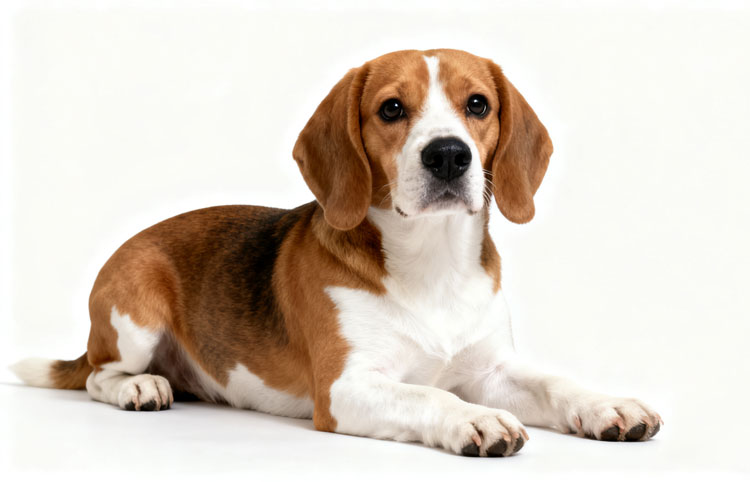
V. Beagle Grooming Methods
1. Brushing
Use a rubber brush or boar bristle brush to brush in the direction of the fur from the neck to the tail, paying special attention to the breeches and armpits where tangles easily form. Brushing removes dead hair and dust while massaging the skin to stimulate oil secretion, resulting in a shinier coat. During shedding season, brush daily to reduce household hair by half.
2. Bathing
Beagles have oily skin; use a mild, dog-specific shampoo. Water temperature should be around 38°C (98.6°F). Plug ears with cotton balls to prevent water entry. Bathing sequence: Neck → Back → Belly → Buttocks → Legs → Tail, finishing with the head. Focus on cleaning the paws, groin, and base of the tail—these areas tend to be the dirtiest and smelliest. After bathing, wrap the dog in a large towel to absorb excess water, then thoroughly dry with a hairdryer on low heat to prevent ear infections.
3. Ear Cleaning
Beagles’ floppy ears lack ventilation, and their deep ear canals make them prone to ear mites and inflammation. Use dog-specific ear cleaner: Apply 5-8 drops into the ear canal, gently massage the base for 30 seconds, then let the dog shake it out. Wipe the outer ear and canal opening with cotton balls—never insert cotton swabs deep into the ear. If you detect a sour odor or notice brown discharge, seek veterinary care immediately.
4. Nail Trimming
Black nails lack visible blood lines. Use a lighted pet nail file or trim only 1-2mm at a time. If bleeding occurs from over-trimming, apply styptic powder and press for 10 seconds. Check hair between paw pads—trim if it drags on the floor to prevent slipping and dirt buildup.
5. Eye & Teeth Care Details
Wipe away eye discharge daily with a damp cotton pad. For severe brown tear stains, apply boric acid eye drops. Brush teeth twice weekly using a dog toothbrush and enzyme toothpaste, or let them chew on beef tendons or dental bones.
VI. Beagle Training Methods
1. Build Bond Before Commands
Beagles only listen to “people they choose to listen to.” Play, pet, and hand-feed treats at fixed times daily so they find you more interesting than anything else. Without a solid bond, all future training will be twice the effort for half the results.
2. Use Food as Rewards
Beagles would sell their souls for food. Use high-value treats during training—regular kibble holds almost zero appeal for them. Immediately “mark the behavior and reward” after each correct action, delivering the treat within 0.5 seconds to form a conditioned reflex.
3. Basic Commands
① “Look at Me”: Crucial for preventing bolting when leaving. Slowly move a treat from nose level to between your eyes while saying “Look at me.” Reward upon eye contact.
② “Sit + Stay”: Essential before eating, crossing roads, or leaving.
③ “Quiet”: Beagles love to howl. When they bark wildly at people, pinch a treat to silence them. Reward after 1 second of quiet, gradually increasing duration.
④ No Leash Pulling: Use the “traffic light method.” When the leash tightens, stop and become a “tree.” Resume walking only when it loosens + reward. Never jerk the leash.
⑤ Potty Training: During the critical 8-14 week window, immediately carry them to a pee pad/outside after eating, drinking, playing, or sleeping. Celebrate successes with enthusiastic praise and treats—mastered in about 3 weeks.
4. Discipline
Beagles remember treats, not punishment. When they misbehave, use the “ignore method”—they fear being ignored most. Physical punishment breeds fear, not respect.

VII. Beagle Vaccinations and Deworming
1. Vaccinations
6-8 weeks after birth: First 6-in-1 shot (distemper, parvovirus, infectious hepatitis, parainfluenza, adenovirus, leptospirosis)
3-4 weeks later: Second 6-in-1 shot
Another 3-4 weeks later: Third 6-in-1 shot and first rabies shot
Annual booster: Combine 6-in-1 and rabies shots
2. Internal Deworming
Puppies: Start at 2 weeks of age, deworm every 2 weeks until 12 weeks; then monthly until 6 months; after 6 months, deworm every 3 months.
Recommended medications: Bayer, Vectra, Heartgard, or Super Six Deworming Tablets.
3. External Parasite Control
Begin at 2 months of age with monthly spot-on treatments.
Clean ears weekly with cotton swabs and ear drops; apply spot-on treatment to the back of the neck during this routine.
VIII. Foods Beagles Must Avoid
1. Chocolate, Coffee, Cocoa: Contain caffeine and theobromine. Even a few bites of dark chocolate can poison a Beagle, causing seizures, rapid heartbeat, or sudden death.
2. Grapes and raisins: As few as 3-4 grapes can cause acute kidney failure. Seek immediate veterinary care if vomiting or lethargy occurs within 24 hours of ingestion.
3. Onions, garlic, leeks: Avoid all forms—raw, cooked, or vegetable scraps—as they destroy red blood cells, leading to hemolytic anemia.
4. Xylitol: Causes blood sugar to plummet within minutes, leading to seizures and coma. Extremely toxic.
5. Alcohol and beer: Beagles have poor liver detoxification, becoming intoxicated with minimal exposure. Severe respiratory depression may occur.
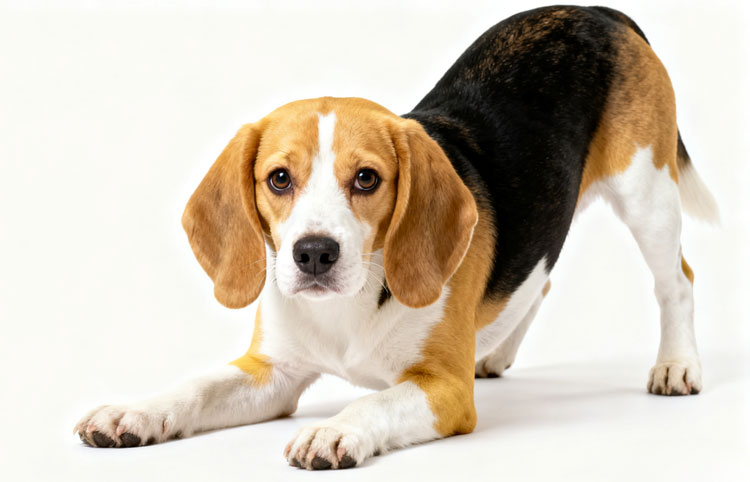
IX. Common Health Issues in Beagles
1. Otitis (Ear Infections)
Poor ventilation + love for grassy areas leads to damp, dirty ears, making otitis externa and media extremely common. Mild cases involve head shaking and ear scratching; severe cases cause head tilting and foul-smelling discharge. Clean ear canals weekly with pet-specific ear wash—avoid cotton swabs. Severe cases require antibiotics + anti-inflammatory ear drops.
2. Obesity
Beagles are born foodies—they’d sell their souls for a whiff of deliciousness. If you let them eat freely, 90% will become chubby. Obesity directly leads to herniated discs, arthritis, diabetes, and heart disease. Ideal adult weight: 10-12kg (females), 12-15kg (males). Strictly reduce daily food portions by 20% from package recommendations—ignore those “I’m still hungry” looks.
3. Cherry Eye
Common in Beagle puppies, this condition involves a red lump bulging beneath the eye, appearing alarming. While not life-threatening, it affects aesthetics and is prone to infection. Most cases require minor surgery to reposition or remove the gland.
4. Epilepsy
Beagles have a genetic predisposition to epilepsy, with first seizures typically occurring between ages 1-5. Episodes involve convulsions, foaming at the mouth, and loss of consciousness—terrifying but often manageable with lifelong phenobarbital medication, which minimally impacts quality of life. When purchasing a puppy, prioritize parents without epilepsy history.
5. Hypothyroidism
Common in middle age, presenting as sudden weight gain, excessive hair loss, lethargy, and cold sensitivity. Diagnosed via blood tests for T4 and TSH levels. Requires lifelong daily Euthyrox medication, which is affordable. With proper management, dogs remain active and lively.
6. Intervertebral Disc Disease
Due to their long bodies, short legs, rearward center of gravity, and tendency to jump, sudden hind limb paralysis is not uncommon.
X. Beagle Price
Beagles average $400-$1,200. AKC-registered purebred puppies typically cost around $2,000.
XI. Beagle Lifespan
Beagles typically live 12-15 years, with many healthy individuals reaching 16-17 years. There are even documented cases exceeding 18 years.

-
Sale!
Washable Pet Cooling Pad for Cats and Dogs
Original price was: $10.99.$9.99Current price is: $9.99. This product has multiple variants. The options may be chosen on the product page -
Sale!
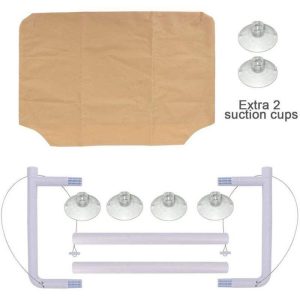
Washable Cat Window Hammock Cooling Bed
Original price was: $23.99.$22.99Current price is: $22.99. -
Sale!
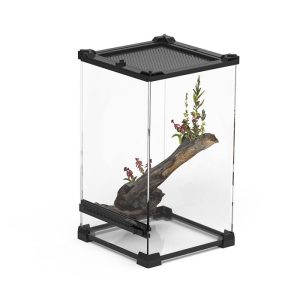
Tropical Amphibian Rainforest Tank, Lizard Cage
Original price was: $38.99.$36.99Current price is: $36.99. -
Sale!
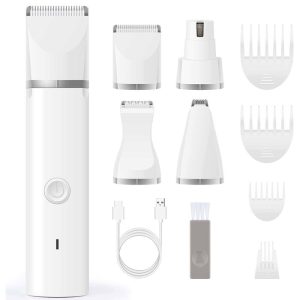
Silent 4-in-1 Waterproof Charging Dog Hair Trimmer
Original price was: $49.88.$47.99Current price is: $47.99.
