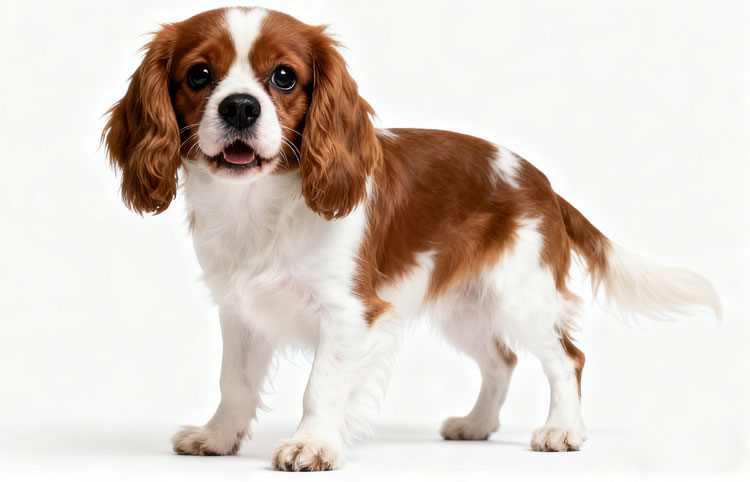
King Charles Spaniel Beloved by the British royal family, Queen Mary of Scotland and Charles II were enthusiasts of this breed. Possessing an innate grace, it sits with dignified poise and moves with an open, elegant gait that exudes gentlemanly charm. Yet beneath its regal exterior lies the hunting dog’s spirit—vibrant energy is in its very nature.
I. Lifespan of the King Charles Spaniel
The King Charles Spaniel typically lives between 9 and 15 years, though some sources cite 10 to 15 years. Its exact lifespan is directly influenced by its living environment and feeding practices.
II. Price of the King Charles Spaniel
Show-quality dogs cost $580, pet-quality dogs $435, and purebred dogs range from $725 to $1,450.
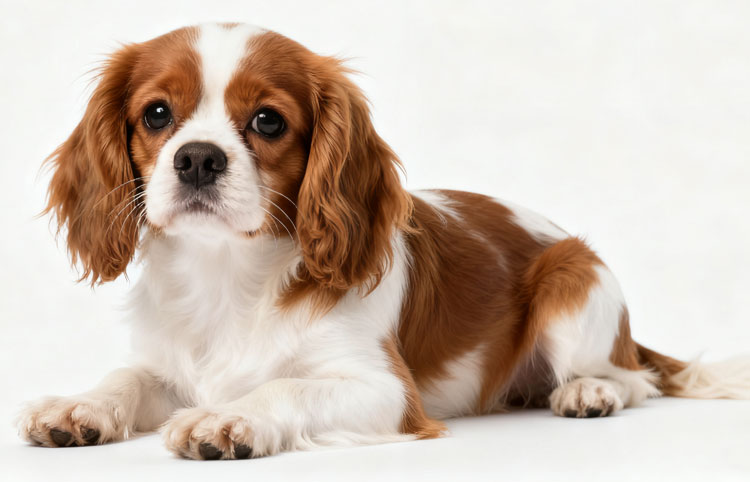
III. Advantages of the King Charles Spaniel
1. Originating from a noble toy dog breeding lineage, the King Charles Spaniel possesses an inherent aristocratic grace, combining an adorable appearance with an elegant presence.
2. They possess a calm and gentle temperament, rarely barking at other dogs or without cause.
3. Highly intelligent and quick-witted, they respond positively to commands with excellent obedience.
4. With their compact size, King Charles Spaniels require minimal living space, making them well-suited for urban environments.
5. Energetic and decisive in nature, their every movement exudes an elegant and endearing charm.
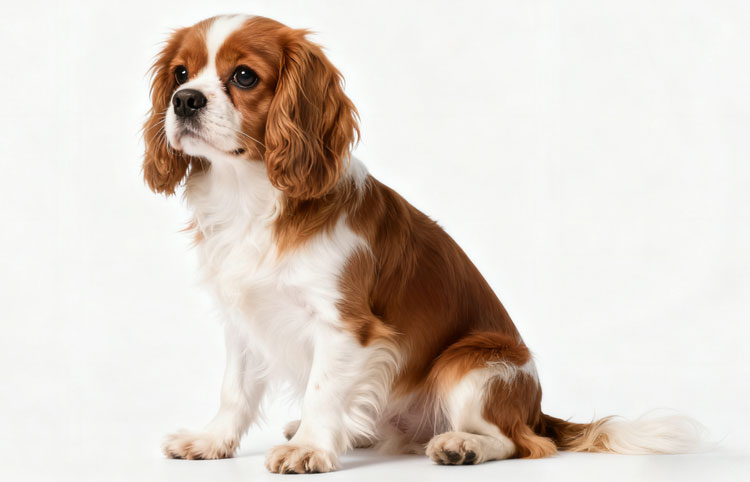
IV. Drawbacks of the King Charles Spaniel
1. King Charles Spaniels have a substantial appetite, leading to higher long-term feeding costs.
2. They are prone to separation anxiety, requiring owners to dedicate significant time for companionship.
3. They have high dietary standards, demanding effort in food selection and preparation.
4. King Charles Spaniels have a relatively fragile constitution and are prone to health issues, particularly heart disease and mitral valve disease.
5. They have poor adaptability to cold, damp climates, significantly limiting their suitable living regions and seasonal activities.
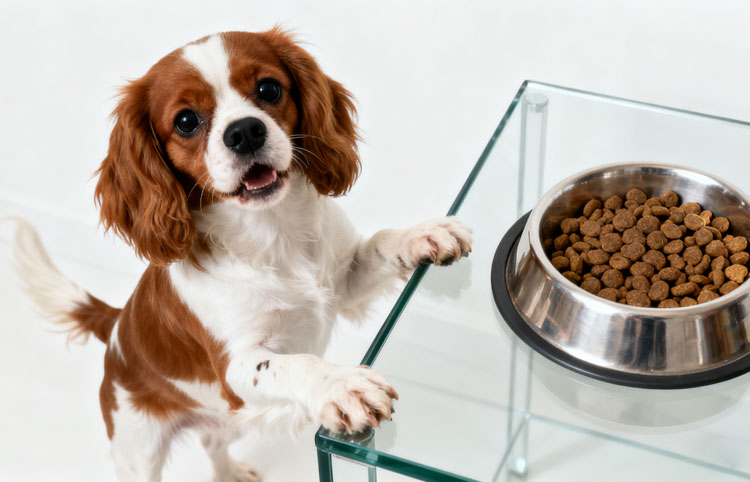
V. Key Considerations for Raising King Charles Spaniels
1.King Charles Spaniel Scientific Feeding
As a small breed with a delicate digestive system and tendency toward weight gain, dietary management is crucial. Puppies should receive high-protein puppy food divided into 3-4 meals daily, with portions limited to what they can consume within 5 minutes. After reaching one year of age, switch to adult dog food, feeding twice daily while carefully controlling total calorie intake to prevent obesity. Supplement with vegetables and fruits 1-2 times weekly for vitamin enrichment, and always provide access to clean drinking water.
2. King Charles Spaniel Daily Care
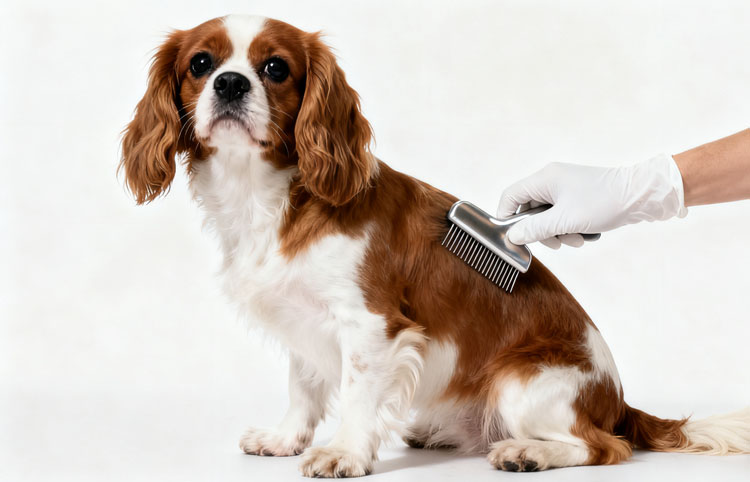
Regular grooming is essential for its signature long coat to prevent health issues. Daily 10-minute brushing with a slicker brush is essential to remove loose hair and untangle mats, preventing skin irritation. Bathe 1-2 times monthly using dog-specific shampoo, ensuring thorough drying afterward to prevent moisture buildup. Pay attention to ears: clean them weekly with pet ear solution and trim excess ear hair. Nails and teeth should be cleaned monthly.
3. King Charles Spaniel Moderate Exercise
Playful yet not highly energetic, the King Charles Spaniel thrives on 1-2 short daily walks. Avoid vigorous running or prolonged outdoor exposure in hot weather. Provide mental stimulation toys at home to keep them occupied and reduce loneliness-related anxiety.
4. King Charles Spaniel Health Monitoring
This breed is prone to genetic conditions like heart valve disease and eye disorders. Annual comprehensive checkups are recommended, including cardiac ultrasounds and eye exams. Vaccinations must be kept current, and monthly internal/external parasite prevention is essential. Closely monitor its energy levels, appetite, and bowel movements to detect any abnormalities promptly.
5. Patient Training
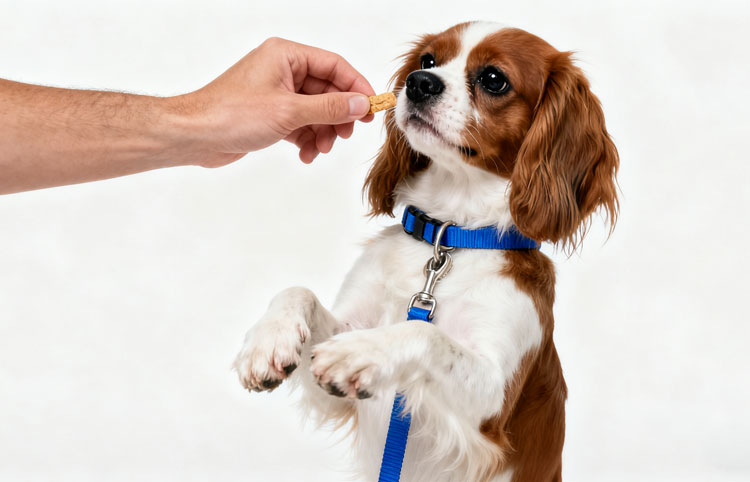
Intelligent and gentle-natured, this breed responds well to positive reinforcement training. During puppyhood, focus on teaching basic commands like potty training and heel work. Reward good behavior with treats and praise—never scold or hit, as this may cause fear.
6. Living Environment
Keep the living space dry and well-ventilated. Place the dog bed in a quiet corner. Clean and disinfect it weekly to prevent bacterial growth.
VI. Training Methods for King Charles Spaniels
1. Designated Potty Spot: After evening and morning meals, and upon waking, consistently take your dog to the same spot to relieve itself. Immediately praise it with “Good boy/girl!” after it finishes, then offer a treat reward. With consistent practice, it will adapt within 1-2 weeks.
2. Basic Commands: Start with simple commands like “Sit,” “Down,” and “Come.” Use treats to guide the dog into performing the action. Reward immediately upon success. Train for about 10 minutes, 2-3 times daily. Keep sessions short to maintain focus and prevent boredom.
3. Socialization Training: Take it to various places to interact with different people and other dogs. Walk around the neighborhood, visit parks to play with other dogs, and gradually acclimate it to the outside world to prevent timidity or aggression. During outings, ensure it stays relaxed—never force it to confront anything it fears.
4. Correcting Behavior: If it jumps high, lunges at people, or destroys furniture, turn away and ignore it when it lunges. Only interact once it calms down. For furniture destruction, prepare chew toys in advance. If it pulls on furniture, redirect its attention with a toy while saying “No.” Maintain patience throughout.
5. Precautions: Use a gentle tone during training—never hit or scold, as it’s sensitive and may react negatively to harsh words. Reward promptly, but avoid overfeeding treats, as it can become picky. As it matures, gradually introduce more challenging commands like “heel.”
VII. Grooming Methods for King Charles Spaniels
1. Coat Brushing: Brush daily using a pin brush. Start at the head, brushing in the direction of hair growth. Work from the back and waist to the chest and abdomen, then the limbs, finishing with the tail. Brush each area 3-5 times gently. Pay special attention to areas prone to matting: behind the ears, armpits, belly, inner thighs, and base of the tail. Gently separate tangles with your fingers first. For stubborn knots, use a slicker brush to work from the edge toward the root. If completely tangled, spray detangling mist, use a detangling comb in layers, or carefully trim with small scissors close to the skin—avoid cutting the dog.
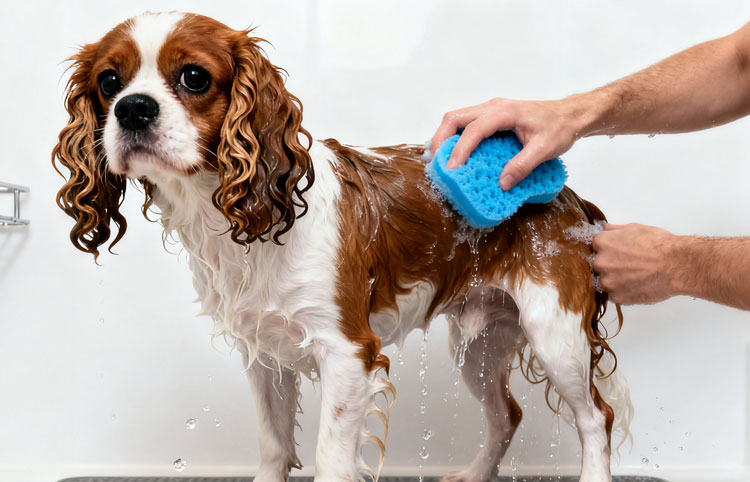
2. Bathing Frequency: A bath every 2-3 weeks is sufficient. Maintain water temperature between 38-40°C (98.6-104°F), similar to the dog’s body temperature. Test the water on your wrist’s inner side—it should feel warm but not hot. Keep the water level low—just covering the belly. Start wetting from the back, avoiding direct water on the head to prevent water entering the ears. Once fully saturated, dilute shampoo 1:5 with water. Apply from the back, massaging gently with fingertips. Rinse thoroughly from head to tail with warm water until no lather remains and the coat feels smooth.
3. Drying Steps: After bathing, wrap your dog in an absorbent towel and gently press to remove moisture—avoid rubbing vigorously. Begin drying from the head, following the direction of fur growth. Start with the back and waist, then move to the chest, abdomen, and limbs, finishing with the tail and behind the ears. Keep the dryer 15-20 cm away from the skin to prevent burns.
4. Nail Trimming: Check nails weekly. Shine a flashlight sideways to see the pink blood vessels inside. Trim just 3-5 mm before the bloodline to avoid cutting it. Hold clippers at a 45° angle to the nail and make quick, precise cuts. Rear nails grow slower than front nails, so trim them less.
5. Anal Gland Cleaning: Clean every 1-2 months. The anal glands are located on either side of the dog’s anus, at the 4 o’clock and 8 o’clock positions. Using your thumb and index finger, locate a pea-sized lump about 2-3 cm outside the anus. Form a “V” shape with your thumb and index finger, then gently squeeze from the outside toward the anus, gradually increasing pressure until a yellowish-brown liquid or dark brown, thick secretion is expelled.
VIII. Selecting a King Charles Spaniel
1. Assess Basic Condition:
Check for even breathing without panting.
Inspect stool: Normal stool is formed with no blood or mucus.
Part fur to examine skin: No redness or scabs indicates good health.
Gently palpate abdomen: Absence of bloating or hard lumps suggests no major issues with heart, lungs, digestion, or skin.
2. Verify Health Documentation: Insist the seller provide a vaccination record stamped by an authorized institution. Confirm the puppy received its first 2-in-1 vaccine after 6 weeks, a 4-in-1 vaccine after 8 weeks, and underwent both internal and external deworming within the past month.
3. Assess physique and weight: Front legs should stand perpendicular to the ground, neither splayed outward nor inward. Hind legs should bear weight evenly. The back should form a straight line from shoulders to tail. When running or jumping, the puppy should not limp or arch its back. A 2-month-old puppy should weigh between 1.8-2.2kg, and a 3-month-old between 2.8-3.2kg. Weight should not be excessively low or high.
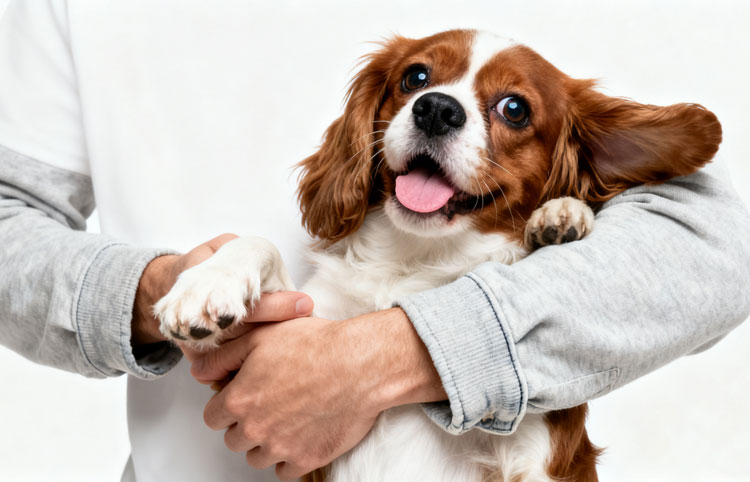
4. Assess temperament: Gently stroke the top of its head and back. If it doesn’t shy away and instead rubs against your hand, it indicates a friendly disposition. Toss a soft toy; if it willingly chases and interacts without excessive barking, lunging, or cowering, it shows a calm, stable temperament that’s easy to get along with.
5. Verify pedigree documentation: The breeder should provide CKU/AKC registration certificates. Both parent dogs must have hip dysplasia (HD) screening reports (rated ≥ Good) and cardiac ultrasound reports. These ensure the puppy’s purebred status and foundational health.
6. Clarify after-sales guarantees: Always sign a written warranty agreement specifying that within 15 days of purchase, if the dog is diagnosed with a severe infectious disease like distemper or parvovirus, the seller must unconditionally offer a replacement or cover treatment costs. Keep all relevant communication records to avoid disputes later.
IX. Foods to Avoid for King Charles Spaniels
1. Chocolate: May cause vomiting, diarrhea, rapid heartbeat, and in severe cases, seizures, kidney failure, or even death. Never feed.
2. Grapes and raisins: Even small amounts can trigger acute kidney failure. With no known safe dosage, complete avoidance is essential.
3. Onions and Garlic: These foods destroy red blood cells, causing hemolytic anemia with symptoms like weakness and bloody urine. Avoid all forms—fresh or processed.
4. Alcoholic Beverages: Dogs cannot metabolize alcohol, leading to poisoning with symptoms like staggering, rapid breathing, and severe cases of unconsciousness. Keep strictly away.
5. Avocado: Feeding avocado may cause vomiting and diarrhea. Consuming large amounts can lead to breathing difficulties. The pit poses a choking hazard. Feeding avocado is strongly discouraged.
6. Xylitol: Commonly found in sugar-free foods, xylitol causes rapid drops in blood sugar, leading to hypoglycemia and seizures. Severe cases can be fatal. Always check ingredient lists when purchasing treats or food.
X. Common Health Issues in King Charles Spaniels
1. Mitral Valve Prolapse: The most prevalent heart condition in this breed, caused by floppy heart valves allowing blood to flow backward. Initial symptoms may be subtle, but advanced cases present with coughing, rapid breathing, and lethargy. Regular cardiac checkups are essential.
2. Syringomyelia: Caused by mismatched space between the skull and spinal cord, resulting in neck pain, limb numbness, and limping. Severe cases may lead to paralysis and require imaging tests for diagnosis.
3. Eye Issues: Prone to cataracts, dry eye syndrome, and retinal dysplasia. Cataracts cause blurred vision and may lead to blindness in severe cases; while dry eye syndrome can trigger ocular inflammation and increased discharge. Regular monitoring of eye health is essential.
4. Ear Infections: Large, floppy ears with poor ventilation trap debris and moisture, making ear canal inflammation common. Symptoms include ear scratching, foul odor, redness, swelling, and discharge. Thorough daily ear care is crucial.
5. Patellar Luxation: The kneecap may dislocate. Mild cases cause a “hopping gait,” while severe cases prevent normal weight-bearing. Surgical correction may be necessary.
6. Obesity: With a hearty appetite, lack of exercise easily leads to weight gain. Obesity can trigger diabetes, increase joint strain, and cause various health issues. Dietary control and moderate exercise are essential.

-
Sale!
Washable Pet Cooling Pad for Cats and Dogs
Original price was: $10.99.$9.99Current price is: $9.99. This product has multiple variants. The options may be chosen on the product page -
Sale!
Washable Cat Window Hammock Cooling Bed
Original price was: $23.99.$22.99Current price is: $22.99. -
Sale!
Tropical Amphibian Rainforest Tank, Lizard Cage
Original price was: $38.99.$36.99Current price is: $36.99. -
Sale!

Silent 4-in-1 Waterproof Charging Dog Hair Trimmer
Original price was: $49.88.$47.99Current price is: $47.99.
