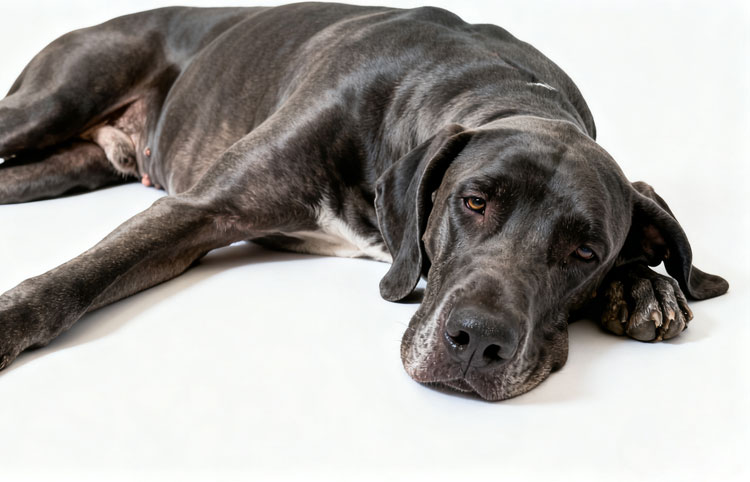
Big Dogs — 1. Great Dane
The Great Dane, also known as the German Mastiff, is a representative breed among big dogs. Historically kept by European royalty and nobility, it symbolized status and prestige. Its height ranges from 70 to 90 cm, weight from 50 to 70 kg, with a market price of 300 to 1280 USD. It has a short, thick, glossy coat, a long and narrow head, and comes in multiple colors such as fawn, brindle, blue, black, and harlequin. As one of the iconic big dogs, the Great Dane looks noble and elegant, with a large, muscular, and powerful build. Uniquely well-proportioned among working big dogs, it can complete long-distance tasks with ease, earning the title “Dog of the Sun God.”
Advantages
The Great Dane has a gentle, people-friendly personality and is often called a “gentle giant.” It is loyal, tolerant toward children, and does not attack without reason. Despite being a big dog, its demeanor is elegant and it adapts well to family life. It is quiet and calm, and its short coat is easy to maintain, suitable for busy families.
Common Health Issues
Due to its large size, this big dog is prone to bone and joint problems such as hip and elbow dysplasia. Heart burden is high, increasing the risk of cardiomyopathy. Its digestive system is sensitive, and overeating may cause gastric torsion.
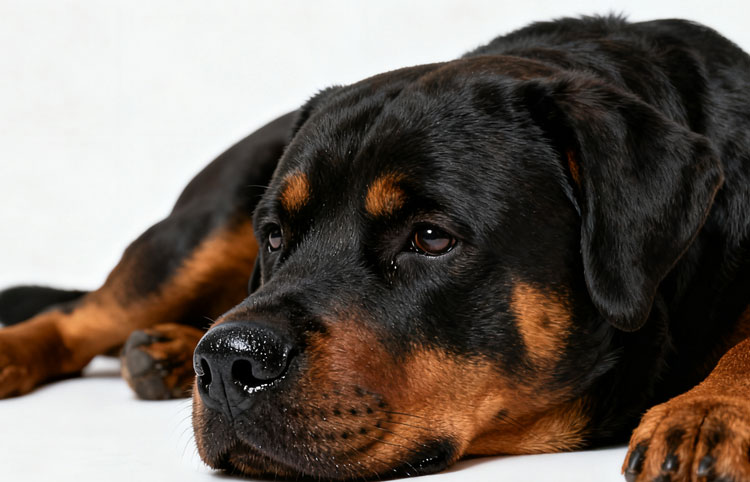
Big Dogs — 2. Rottweiler
The Rottweiler is a powerful, swift, and imposing breed of big dogs, widely known for its courage and strength. Its height ranges from 56 to 69 cm and weight from 38 to 59 kg. Historically used for herding cattle, it forms close bonds with humans. As an exceptional police and guardian big dog, it can fight back against intruders, requiring strict training to ensure obedience. In the Middle Ages, wealthy merchants hung money pouches around Rottweilers’ necks to safeguard property. With its steady temperament and emotional depth, the Rottweiler is an excellent family companion among big dogs.
Advantages
Rottweilers are intelligent, quick learners, and respond well to training. They possess outstanding protective instincts and are extremely loyal. Their temperament is stable, adaptable to apartments or rural homes, and they excel as both companion and guard big dogs.
Common Health Issues
Common issues include hip dysplasia, eye problems, and skin diseases such as dermatitis or eczema, especially in humid environments.
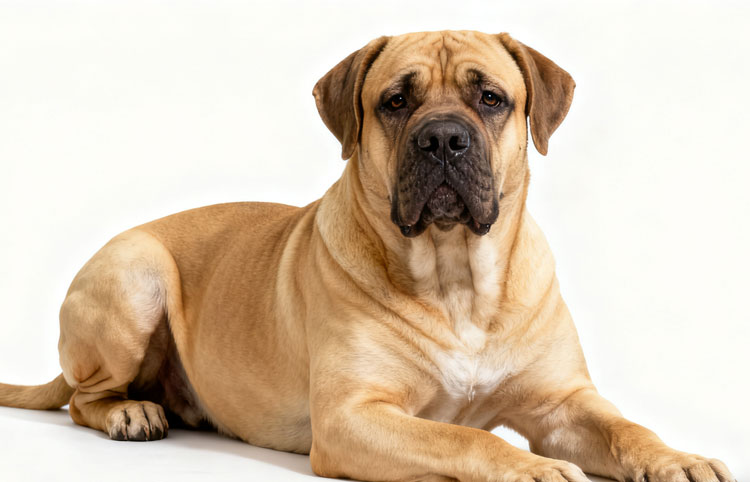
Big Dogs — 3. Mastiff
The Mastiff is one of the world’s classic big dogs, with male heights between 76.2 and 91 cm, females 70 to 91 cm, and weight from 68 to 100 kg. Legend says the breed came from Egypt, was brought to Britain by Persians, and developed into its modern form there. Massive yet calm and loyal, the Mastiff is extremely intelligent, gentle toward humans, and especially fond of children—making it an emotionally rich family big dog.
Advantages
Mastiffs are steady, loyal, emotionally stable, and exceptionally gentle with children. They understand human emotions well and offer companionship and protection. Despite their size as big dogs, they are quiet and easy to live with.
Common Health Issues
Common issues include hip and elbow dysplasia, gastric torsion, heart disease, and heat sensitivity due to weaker respiratory function.
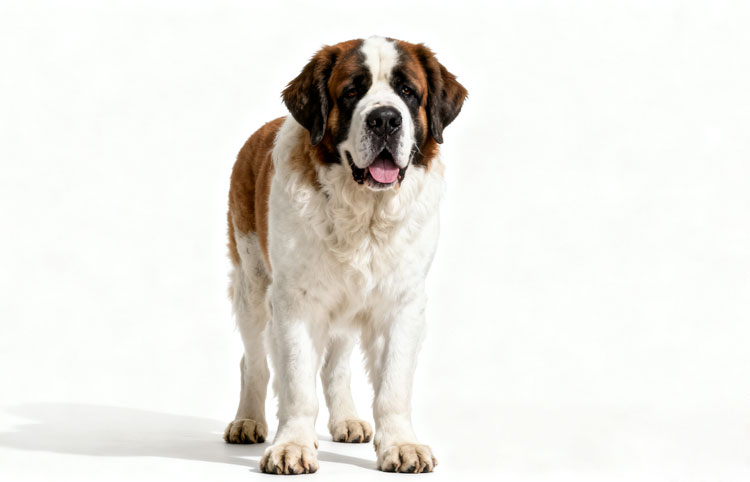
Big Dogs — 4. Saint Bernard
The Saint Bernard is a famous Swiss breed and a national treasure, also known as Saint Bernhard Dog. As one of the world’s largest big dogs, it can reach 90 cm in height and 90 kg in weight. The breed nearly went extinct in the mid-19th century. Saint Bernards are gentle, approachable, child-friendly, loyal, and easy to train.
Advantages
They have an extremely gentle nature with almost no aggression. They are tolerant of children, loyal to their owners, emotionally sensitive, easy to train, and adaptable to various climates. Short-haired types of this big dog breed are easy to groom.
Common Health Issues
Common problems include hip and elbow dysplasia, eye diseases, heart valve issues, and spinal pressure due to their size.
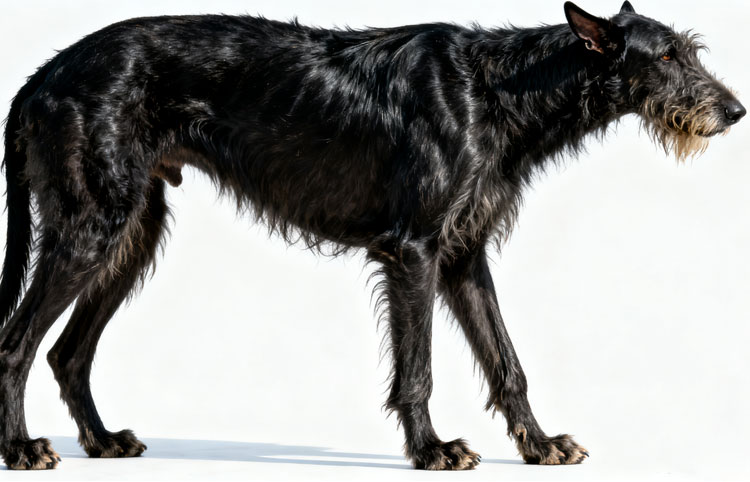
Big Dogs — 5. Irish Wolfhound
The Irish Wolfhound, originating around 100 BC, is one of the tallest big dogs in the world, with a height of 71 to 90 cm and weight of 40 to 55 kg. It resembles a Greyhound but has a rough coat, strong body, and elegant posture. Known for strength, vitality, courage, and gentleness, this big dog is intelligent, trustworthy, and very friendly toward children.
Advantages
It is gentle, friendly, loyal, and trustworthy, ideal for families with children. With a strong muscular body and good endurance, it accompanies owners for outdoor activities. As a giant big dog, its unique and elegant appearance offers high ornamental value.
Common Health Issues
Hip dysplasia, heart problems due to height, sensitive digestive systems, and certain eye diseases commonly affect this big dog breed.
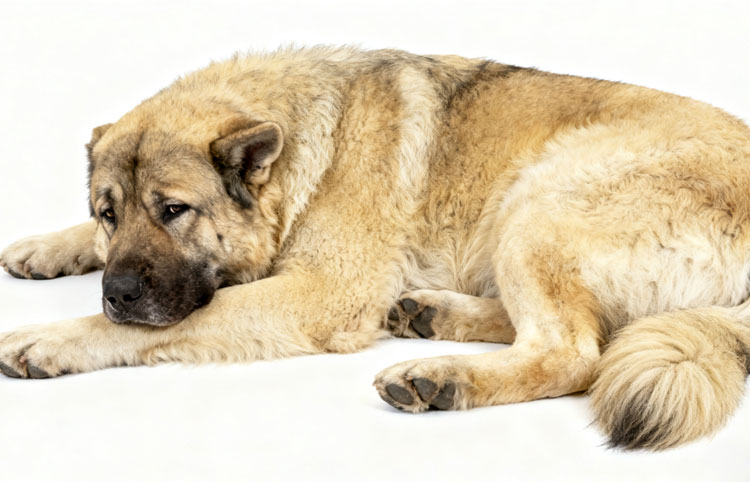
Big Dogs — 6. Caucasian Dog
The Caucasian Dog is a powerful and athletic member of big dogs, priced between 225 and 1200 USD. It stands 65 to 86 cm tall and weighs 50 to 90 kg. It excels as a guard dog. In the 1960s, East Germany used them as border patrol dogs along the Berlin Wall. Later, many were given to German families, and breeders selectively bred gentler individuals to continue the lineage. As big dogs, they are cautious, strong, and capable.
Advantages
They have exceptional protective instincts, extreme loyalty, strong physical power, environmental adaptability, and independent personalities. Selectively bred individuals are calmer and friendly with family.
Common Health Issues
Common issues include hip and elbow dysplasia, skin diseases due to deep folds, and eye problems if not kept clean.
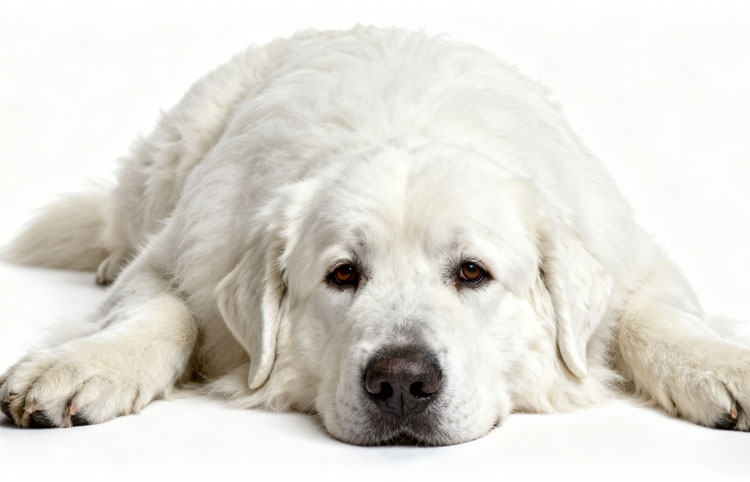
Big Dogs — 7. Great Pyrenees Dog
Also known as the Pyrenean Mountain Dog, the Great Pyrenees is a majestic and elegant breed of big dogs, standing 63.5 to 81.3 cm tall and weighing 45 to 60 kg. It is confident, gentle, patient, responsible, and brave. With history tracing back to ancient Rome, it was brought to Spain by the Romans. This big dog protects territory, livestock, and family when needed.
Advantages
The Great Pyrenees is gentle, friendly, patient, loyal, and tolerant of children. It has strong protective instincts without being aggressive. This big dog has high ornamental value with its white fluffy coat and adapts to various climates.
Common Health Issues
Hip and elbow dysplasia, eye diseases, sensitive digestion, heatstroke risk, and parasite infestations due to thick fur.
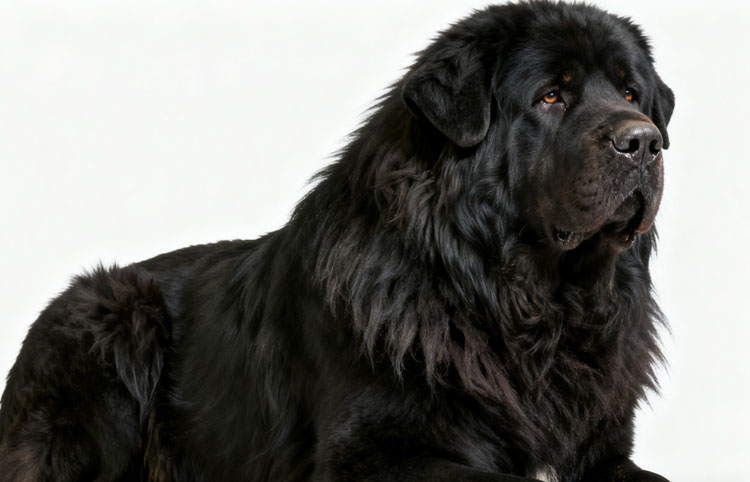
Big Dogs — 8. Tibetan Mastiff
The Tibetan Mastiff belongs to the mastiff group and is one of the fiercest big dogs. Its price ranges from 1200 to 2250 USD, height 61 to 71 cm, weight 64 to 82 kg, and lifespan 10 to 16 years. Common coat colors include black-and-tan, yellow, and black. Originally from the Tibetan Plateau, this big dog is strong, noble, proud, agile, and powerful, though puppies have weaker memory before adulthood.
Advantages
The Tibetan Mastiff is extremely strong, fearless, and highly protective of its owner. It is independent, adaptable to harsh environments, physically tough, and highly valued for collection and appearance among big dogs.
Common Health Issues
Hip dysplasia, heart issues, skin diseases, heat sensitivity due to thick coat, and training difficulties caused by poor memory in young dogs.
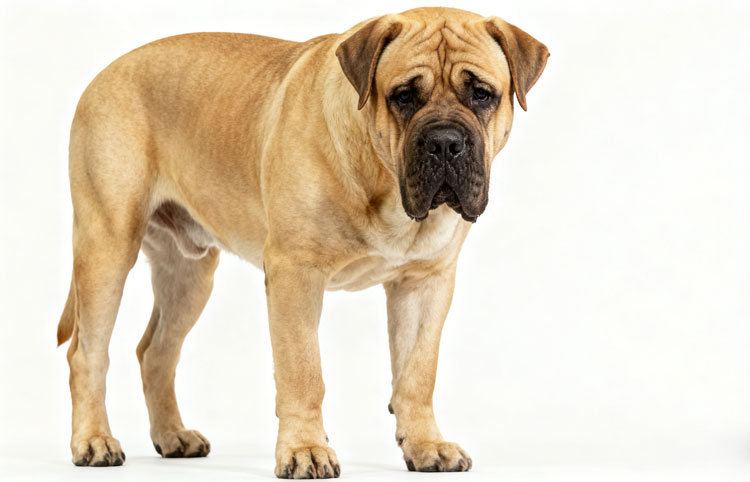
Big Dogs — 9. Spanish Mastiff
The Spanish Mastiff is a herding and guarding breed among big dogs, originating in the 9th century. Through centuries of crossbreeding between local hunting dogs and British Mastiffs, this powerful and fierce big dog was developed. It is unsuitable for city life but adapts well to cold climates. Grooming is required, but daily exercise needs are modest. It typically stands over 77 cm tall and weighs 52 to 100 kg. Highly obedient to owners, it maintains high alertness toward strangers and should not be approached casually.
Advantages
Spanish Mastiffs obey commands well, have strong guarding instincts, excellent alertness, good cold resistance, and calm temperament, making them reliable family big dogs.
Common Health Issues
Common issues include hip and elbow dysplasia and skin conditions such as dermatitis and eczema, especially in humid environments.
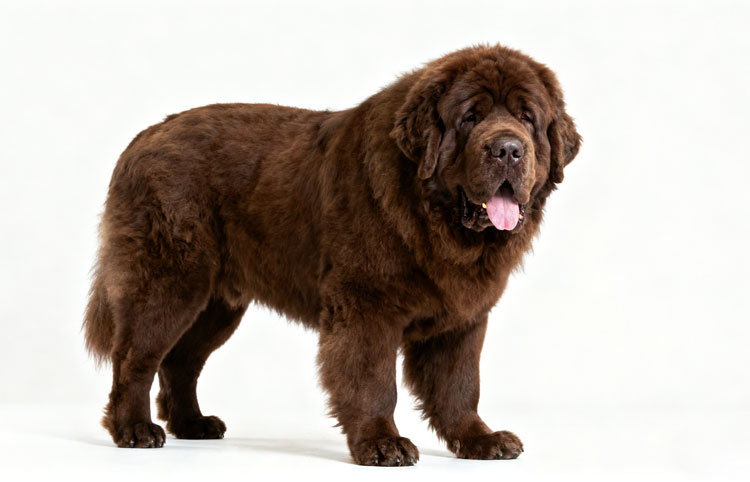
Big Dogs — 10. Newfoundland Dog
The Newfoundland Dog was discovered in northeastern Newfoundland, Canada. Believed by some to descend from Indian wild dogs and by others to be related to the Labrador Retriever, it may also share ancestry with the Great Pyrenees or sled dogs. As gentle, emotionally stable big dogs, Newfoundlands stand 66 to 71 cm tall and weigh 50 to 68 kg. They are calm, friendly, and never show irritability.
Advantages
Newfoundlands are gentle, stable, loyal, and very friendly toward family and children. They are exceptional swimmers and serve as water-rescue big dogs. With high intelligence and cooperative nature, they learn quickly. Their soft coat and gentle appearance give them strong appeal.
Common Health Issues
Hip and elbow dysplasia, heart disease, sensitive digestion, heatstroke, and parasite infestations due to thick fur.

-
Sale!

Washable Pet Cooling Pad for Cats and Dogs
Original price was: $10.99.$9.99Current price is: $9.99. This product has multiple variants. The options may be chosen on the product page -
Sale!

Washable Cat Window Hammock Cooling Bed
Original price was: $23.99.$22.99Current price is: $22.99. -
Sale!

Tropical Amphibian Rainforest Tank, Lizard Cage
Original price was: $38.99.$36.99Current price is: $36.99. -
Sale!

Silent 4-in-1 Waterproof Charging Dog Hair Trimmer
Original price was: $49.88.$47.99Current price is: $47.99.
