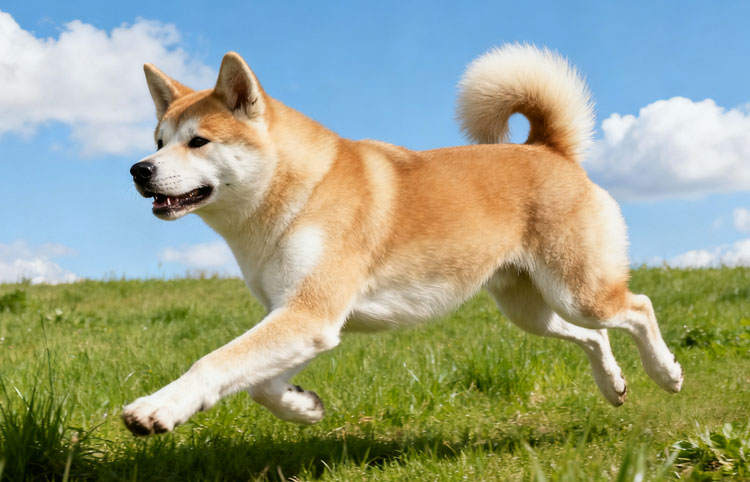
The Akita dog, formally known as the Japanese Akita, is now designated a “National Natural Monument” in Japan and holds the esteemed title of “Japan’s National Dog.” Descended from the mountain hunting dog known as the “Akita Matagi,” it historically belonged to the medium-sized bear-hunting breed category, originally existing as a mountain hunting dog. With their pointed muzzles and powerful bite, they assisted hunters in bear hunts and were also employed to capture deer and wild boar. Akita dogs possess keen senses and robust physiques, excelling at tracking and retrieving game shot by hunters in snowy terrain or water.
I. Akita Dog Lifespan
The average lifespan of an Akita dog is 10 to 15 years. Under optimal care conditions, some individuals may live up to 17 or 18 years.
II. Akita Dog Price
Japanese-line Akita puppies range from $150 to $1,500, while American-line Akitas are slightly less expensive, typically priced between $150 and $1,200. Purebred Japanese-line Akita puppies cost approximately $750, while pure white male Akitas command around $1,200.
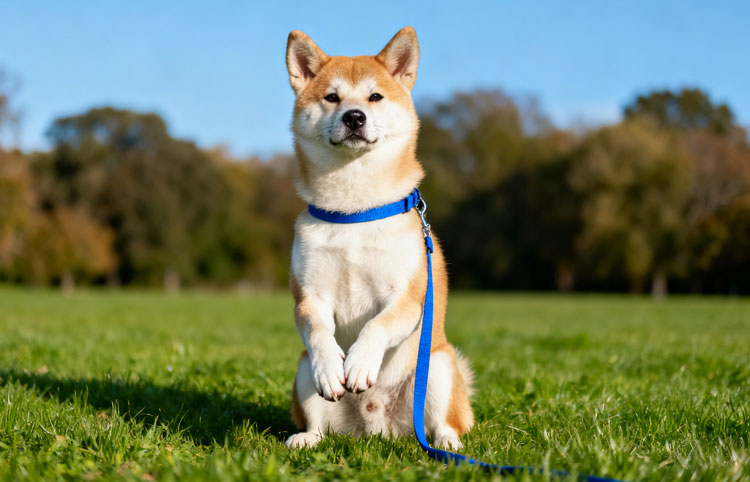
III. Selecting an Akita Dog
1. Bright eyes without tear stains; moist nose without dryness; alert and responsive, not appearing dull; actively interacts with people without showing timid behavior.
2. Smooth, glossy coat; skin free of dandruff or redness; clean anal area without stains, indicating no diarrhea; Breathing should be steady without coughing, nasal discharge, or other respiratory issues.
3. Request to see vaccination records and deworming history. Reputable breeders will also provide pedigree certificates and health guarantees.
4. When approaching with an outstretched hand, the puppy should neither bare teeth aggressively nor retreat excessively. Willingness to sniff and accept petting indicates a suitable candidate.
5. Among littermates, avoid puppies exhibiting aggressive food-stealing or bullying behavior, nor those ostracized by others. Individuals with a gentle, stable temperament are better suited for family life.
6. The skull should be broad, the muzzle strong and powerful, with a normal bite.
7. The chest should be deep and broad, the back straight, the limbs sturdy and well-built, with an upright stance and no signs of lameness.
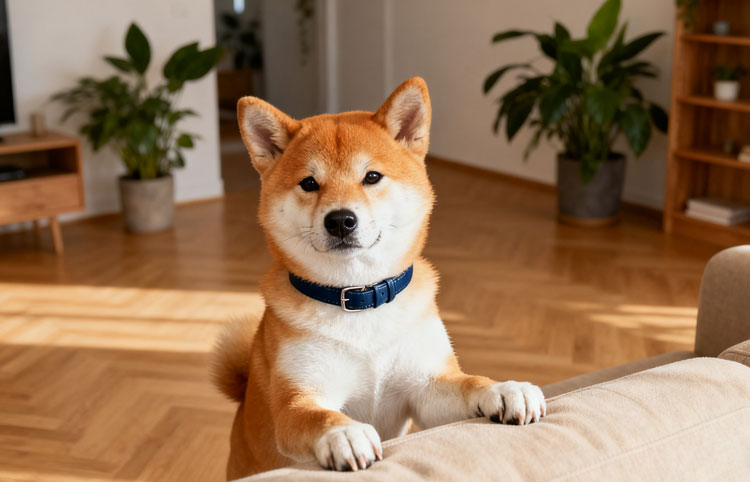
IV. Advantages of the Akita Dog
1. Small eyes, a round face, and a plump, appealing appearance, often displaying a smile-like expression.
2. Quiet and independent, capable of sleeping peacefully in a crate without making noise at night.
3. Lazy by nature, spending most of its time at home resting or sleeping, requiring minimal time and effort for walks.
4. Akita dogs love cleanliness and don’t mind baths. After cleaning the house, bathing them will make them visibly happy.
5. They adapt well to various environments and integrate quickly.
6. Their senses are extremely sharp, allowing them to clearly perceive their owner’s emotional changes.
7. Akita dogs are quite intelligent and respond well to training commands.
8. Akita dogs possess absolute loyalty and devotion to their owners, exhibiting a brave and steady temperament.
9. Akita dogs have a strong sense of territory, making them capable guardians for home security.
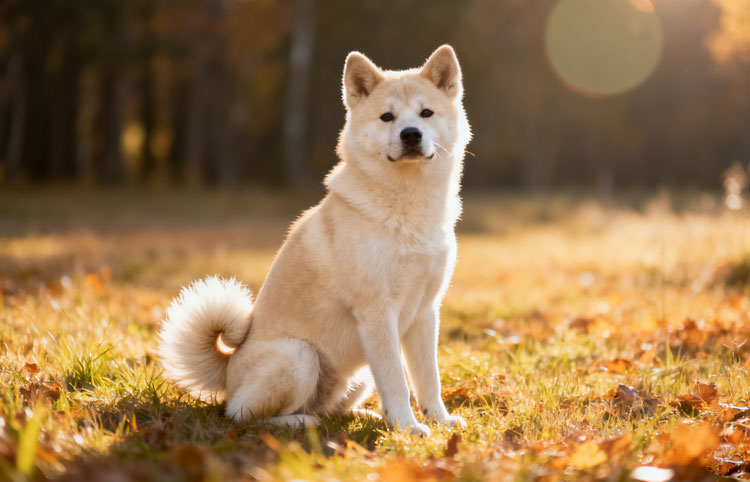
V. Disadvantages of Akita Dogs
1. Akita dogs are highly enthusiastic but may struggle with emotional self-control.
2. Akita dogs have sensitive digestive systems and may experience diarrhea if fed slightly more than their usual portion.
3. Akita dogs crave freedom and possess strong independence, disliking restrictions. This can lead to a somewhat unfocused demeanor and difficulty maintaining attention.
4. Akita dogs have long coats prone to shedding. Combined with their natural cleanliness, this often results in dog hair around the home, requiring frequent cleaning.
5. Considering their size, Akita dogs require relatively substantial food expenses, necessitating a certain level of financial commitment for their care.
6. Akita dogs possess intense curiosity, often fiddling with objects and causing minor mischief, while also exhibiting pronounced possessiveness.
7. In dog intelligence rankings, Akita dogs rank 54th, making them relatively challenging to train.
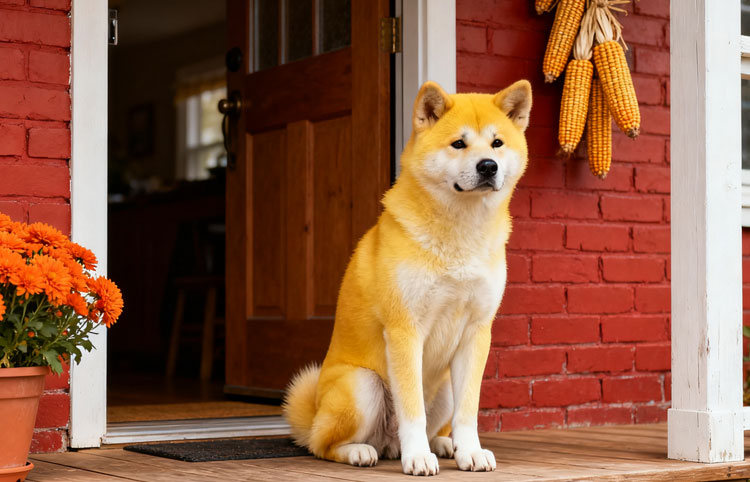
VI. Akita Dog Care
1. From 0-6 months, feed puppy food with 22%-24% protein content. Offer 3-4 small meals daily to prevent digestive discomfort. Avoid milk; add small amounts of cooked egg yolk for nutrition.
2. After 6 months, switch to large breed adult dog food with a protein content of 20%-22%. Feed 1-2 meals daily, carefully controlling portion sizes. Avoid feeding table scraps or greasy foods.
3. Akita dogs have dense coats requiring daily brushing during spring and fall shedding seasons, with weekly brushing sufficient otherwise. Bathe regularly and ensure thorough drying afterward to prevent skin conditions. Trim nails monthly, clean ear canals, and implement infection prevention measures.
4. Training should begin in puppyhood to establish the owner’s leadership. Use positive reinforcement to teach basic commands while emphasizing socialization training. Expose the dog to people and other dogs to prevent excessive wariness toward strangers and unfamiliar environments in adulthood.
5. Administer vaccinations and internal/external parasite preventatives on schedule. Conduct annual physical examinations. Akita dogs are prone to hip dysplasia; avoid vigorous jumping exercises for puppies. Raising an Akita requires dedicated time and companionship; they will repay their owner’s care with lifelong loyalty.
6. Given their large size, Akitas are best suited for homes with yards. If kept indoors, ensure 1-2 hours of daily outdoor exercise to release energy and prevent destructive behavior.
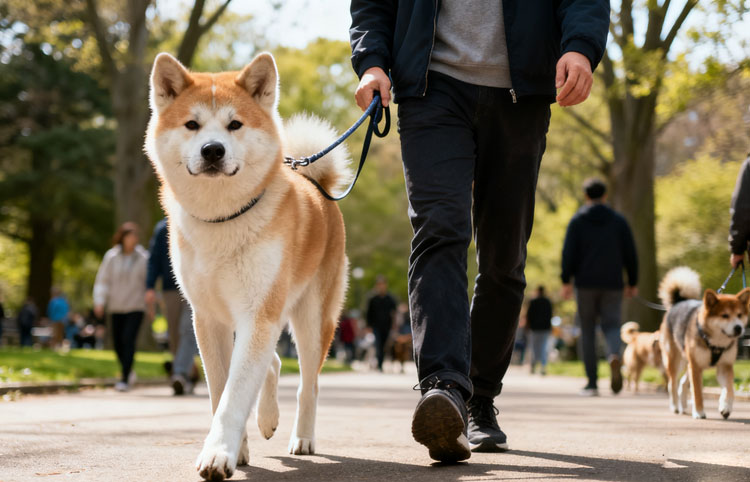
VII. Training the Akita Dog
The period between 1.2 and 6 months of age is a critical stage for socialization training, focusing on environmental adaptation and habit formation. Expose them daily to diverse people, pets, and vehicles to prevent excessive wariness toward strangers or unfamiliar settings in adulthood. Simultaneously establish designated potty areas: when they sniff the ground, promptly guide them to the assigned spot. Reward success with treats and praise to reinforce memory through repetition. Begin basic “sit” training by holding treats overhead to prompt sitting, rewarding immediately upon completion.
2. At 6 months, transition to adult training focusing on foundational commands like “heel,” “stay,” and “recall.” For heel training, use a leash to control distance. If it strays, gently tug the leash while saying “heel” to keep it walking on your left side. Reward once it maintains the position. Begin “Stay” training before meals: have the dog sit and wait until the owner gives the “Eat” command before allowing food. Gradually increase the waiting time. ‘Come’ training should start in quiet environments: call its name and give the “Come” command. Offer generous rewards upon return.
3. For food guarding and jumping issues in Akita dogs: – When guarding food, avoid forcefully taking it away. Instead, gently pet the dog during feeding to show it won’t be deprived of its meal. – When jumping on people, turn away and ignore the behavior. Only give attention once the dog calms down, teaching it that jumping won’t earn recognition.
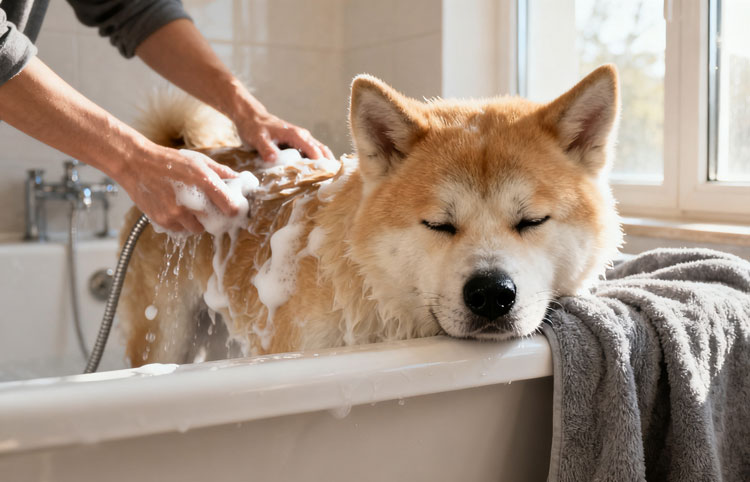
VIII. Grooming the Akita Dog
1. During spring and fall shedding seasons, use a pin brush and slicker brush daily. The pin brush removes loose hair and debris, while the slicker brush penetrates the undercoat to prevent matting. During non-shedding periods, reduce grooming to 2-3 times weekly. Always brush in the direction of hair growth, starting from the neck and progressing to the back, chest, abdomen, limbs, and tail. Use gentle strokes to avoid skin irritation. After brushing, use a chamois cloth to buff the coat for enhanced shine.
2. Akita dogs have a mild natural scent and do not require frequent bathing. Bathing once every 1-2 months is sufficient, as excessive bathing can strip the skin’s protective oil layer. Use a neutral pH dog shampoo. Maintain water temperature between 38-40°C (98.6-104°F). Wet the coat thoroughly before applying shampoo and massaging it in. Focus on cleaning areas prone to dirt buildup like between the toes, under the armpits, and around the anus. Rinse thoroughly after washing. Press the coat dry with an absorbent towel, then finish drying with a hairdryer to prevent skin issues caused by dampness.
3. Focus trimming on the paws, paw pads, and anal area. Use rounded scissors to trim excess hair around the claws to prevent slipping. Regularly trim hair on the paw pads to keep feet dry. Excess hair around the anal area can trap feces and should be trimmed close to the skin. Avoid trimming whiskers and hair around the eyes to prevent impairing sensory function.
4. Regularly inspect ear canals and clean with dog-specific ear solution to prevent ear mite infestations. Brush teeth weekly with dog toothbrush and toothpaste to prevent tartar buildup. Avoid the quick when trimming nails; if bleeding occurs, apply styptic powder promptly. After outdoor activities, wipe down limbs and abdomen to remove dirt and debris, reducing parasite infection risks.
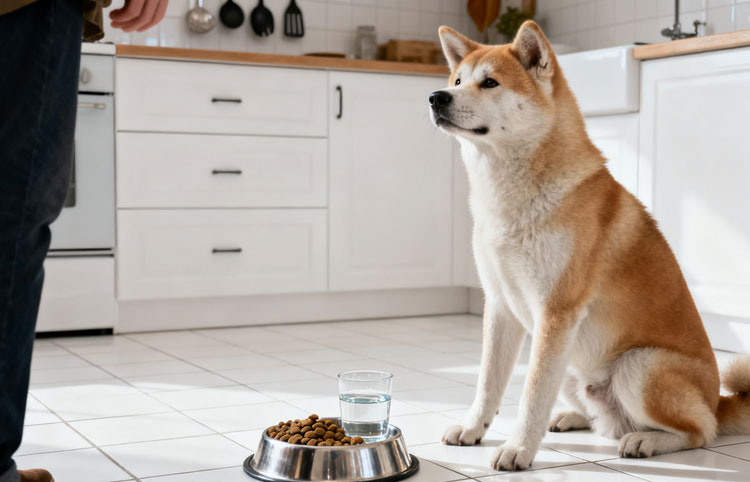
IX. Foods Akita Dogs Must Avoid
1. Chocolate, Coffee: Contain caffeine and theobromine, causing rapid heartbeat, convulsions, and kidney failure in Akitas. Even small amounts can be life-threatening.
2. Grapes, Raisins: May trigger acute kidney failure. No safe consumption level has been established.
3. Onions, Garlic: Contain sulfides that destroy red blood cells, causing anemia and jaundice. Severe cases can be fatal.
4. Xylitol: Causes rapid drops in blood sugar and liver failure. Poisoning symptoms may appear within seconds.
5. Alcoholic Beverages: Depress the central nervous system, leading to vomiting, coma, and even respiratory or cardiac arrest.
6. Bones: Prone to splintering into sharp fragments that may lacerate the esophagus or gastrointestinal tract, causing internal bleeding or obstruction.
7. Pickled foods and fried foods: Increase strain on kidneys and heart, raising risks of pancreatitis and hypertension.
8. Milk and dairy products: Most Akita dogs are lactose intolerant, leading to diarrhea and bloating after consumption.
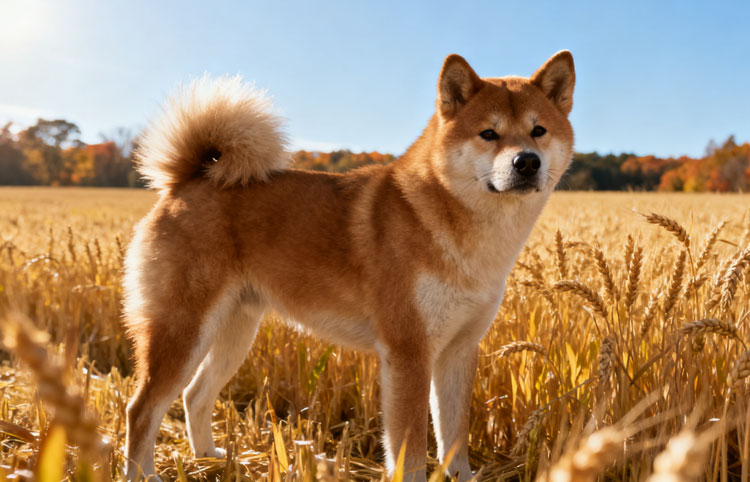
X. Common Diseases in Akita Dogs
1. Colds: Significant seasonal temperature fluctuations and environmental temperature differences make Akita dogs susceptible to colds. Common symptoms include runny nose, sneezing, fever, and watery eyes. Owners should be alert when dogs show lethargy, loss of appetite, or reluctance to move, as these often indicate a cold.
2. Skin Diseases: Despite their short coats, Akita dogs can still develop skin conditions. Neglecting the dog’s personal hygiene and living environment, or allowing frequent exposure to unclean areas, increases susceptibility to parasites and bacteria, leading to skin diseases. Infected Akitas may exhibit itching, hair loss, skin rashes, and scratching that causes skin damage. Severe cases can lead to skin inflammation and ulceration. If other pets are present in the household, they may also become infected. Since parasites and bacteria are highly contagious, owners must maintain strict hygiene for both the dog and its environment. Avoid contact with stray dogs or sick animals to prevent transmission.
3. Gastrointestinal Disorders: Irregular feeding schedules or poor dietary hygiene can predispose dogs to gastrointestinal issues. Feeding indigestible or unhealthy foods—such as spoiled or rotten items—may cause gastrointestinal diseases and potentially trigger other health problems. Given dogs’ natural tendency to scavenge, owners should supervise their eating habits to prevent accidental ingestion of harmful or toxic substances. It is recommended to select a dog food that suits your dog’s taste and meets its nutritional needs for growth, such as Langqin All Life Stages Dog Food. This formula is high in calcium and low in salt, contains a high proportion of meat and animal protein, and includes probiotics to aid digestion and absorption, promoting gastrointestinal health.
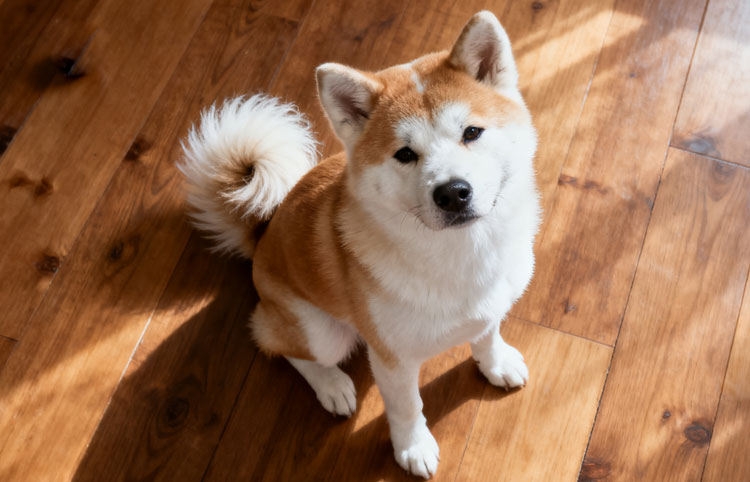
XI. Differences Between Akita Dogs and Shiba Inus
1. Coat Texture: Akitas have medium-to-long hair, appearing fluffy. Shiba Inus have short, close-lying coats with a smooth texture.
2. Coat Color: Akitas primarily feature red, white, or brindle patterns. Shiba Inus mainly exhibit red or black coats.
3. Head Size: Akitas have larger skulls with a slightly flat top, broad foreheads featuring distinct furrows and moderate indentations, and well-developed cheeks. Shiba Inus possess rounder faces with significantly smaller facial proportions compared to Akitas.
4. Muzzle Differences: The Akita’s muzzle is thick with upturned corners. The Shiba’s muzzle is proportionally longer and more pointed than the Akita’s.
5. Tail Differences: The Akita possesses a large, bushy tail. The Shiba’s tail is comparatively shorter.

-
Sale!
Washable Pet Cooling Pad for Cats and Dogs
Original price was: $10.99.$9.99Current price is: $9.99. This product has multiple variants. The options may be chosen on the product page -
Sale!
Washable Cat Window Hammock Cooling Bed
Original price was: $23.99.$22.99Current price is: $22.99. -
Sale!
Tropical Amphibian Rainforest Tank, Lizard Cage
Original price was: $38.99.$36.99Current price is: $36.99. -
Sale!
Silent 4-in-1 Waterproof Charging Dog Hair Trimmer
Original price was: $49.88.$47.99Current price is: $47.99.
