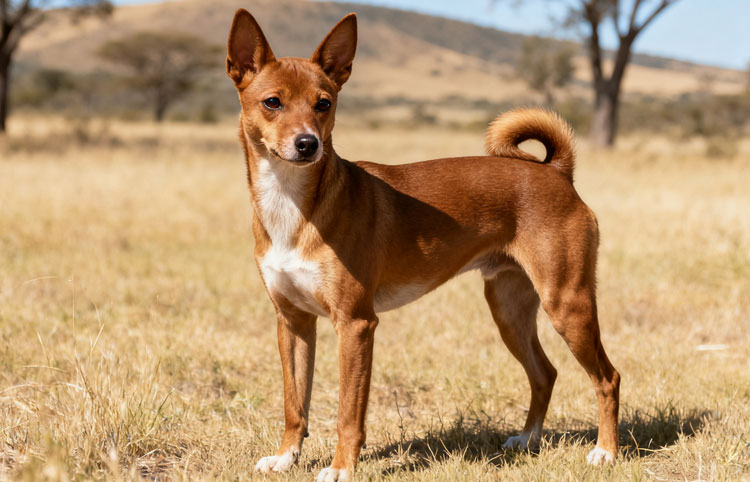
The Basenji is one of the world’s oldest dog breeds, having maintained pure bloodlines for thousands of years. Historical records reveal that these dogs were originally sent as gifts from the headwaters of the Nile to the courts of ancient Egyptian pharaohs. Later, they gradually spread among the common people. Local residents in the Congo noticed their sharp intelligence, swift running ability, and quiet nature, so they began breeding them as hunting dogs to take on hunts. By 1942, a dedicated Basenji club was established in the United States. Beyond their exceptional hunting skills, Basenjis are also widely recognized as beloved companion dogs.
I. Physical Characteristics of the Basenji
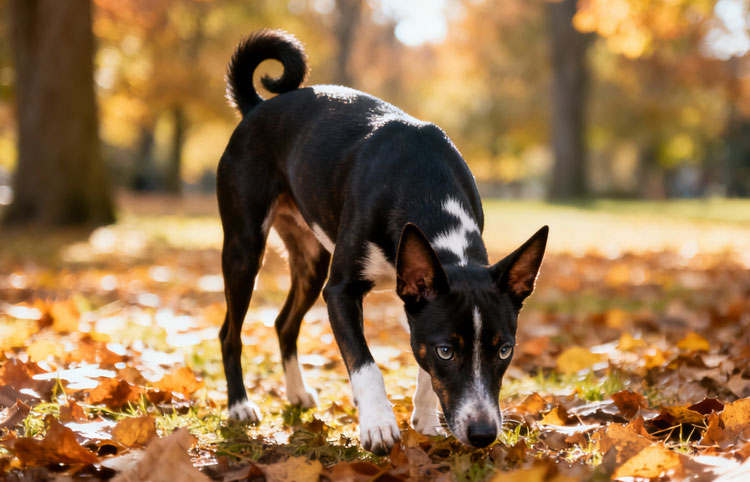
Originating in Africa, the Basenji is a small, short-haired hound. Its back is not overly long, giving it an agile appearance, with legs that appear longer than the body. The head features slight wrinkles and is carried proudly erect. The neck curves in a gentle arc, supporting the head, while the tail is held high and curled. Its gait and movements exude grace and elegance, projecting an overall impression of harmony, curiosity about its surroundings, and exceptional alertness. Its body structure is well-proportioned, with smooth muscles that enable effortless and agile running and movement. When hunting, it relies on both sight and scent, utilizing both abilities effectively.
II. Basenji Lifespan
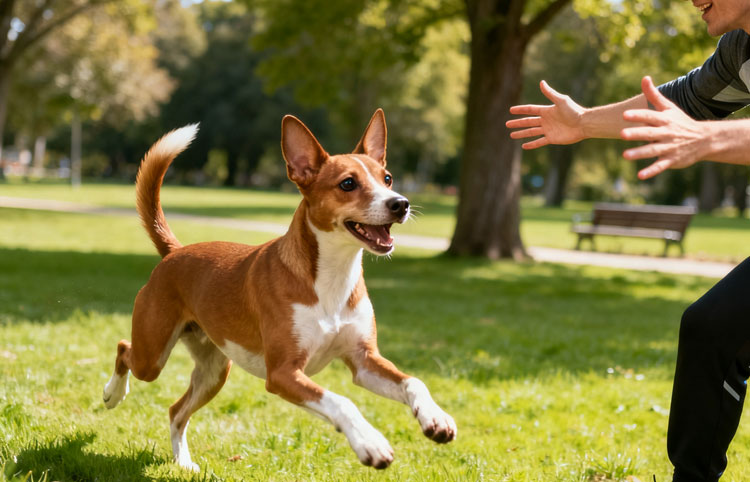
Typically, Basenjis live between 13 and 14 years. With proper care and a healthy, balanced diet, they can live longer—some reaching 20 years is not uncommon.
III. Basenji Price
Healthy Basenjis range in price from $45 to $2,280. Puppies are relatively affordable, costing around $121 each. Adult females command higher prices, typically around $1,520 per dog.

IV. Basenji Advantages
1. Moderate Size: Basenjis typically weigh between 10-20 kg, making them neither too large nor too small. They are perfectly suited for home living, taking up minimal space and requiring manageable care.
2. Energetic and Playful: Basenjis are naturally active and love interacting with family members. Interacting with them not only provides exercise but also stimulates mental development—a win-win situation.
3. Intelligent and Trainable: Basenjis are quick learners with sharp minds. They grasp commands after just a few repetitions. Whether guarding the home or accompanying their owners, they perform duties exceptionally well.
4. Gentle and Friendly: They possess an exceptionally docile temperament, showing friendliness toward both people and other pets. They get along harmoniously with family members, rarely fight with other animals, and never bite indiscriminately.
5. Low Shedding: Basenjis have short coats, unlike Shiba Inus that shed heavily during molting seasons. For cleanliness-conscious owners, this means less frequent hair cleanup.

V. Disadvantages of the Basenji
1. Requires Ample Exercise: Naturally energetic, Basenjis need sufficient daily exercise. Confining them indoors may lead to destructive chewing and mischief.
2. Intolerant of Loneliness: Basenjis are extremely attached to their owners. Left alone for extended periods, they easily become lonely and anxious, potentially chewing furniture like couches or shoes.
3. Prone to Weight Gain: Without sufficient exercise or if overfed, Basenjis gain weight easily. Excess weight can lead to health issues like diabetes and joint pain.
4. Chasing Instinct: Some Basenjis possess a herding-like instinct, chasing small animals like household cats or outdoor birds. Their pursuit can be forceful, potentially causing accidental injuries.
5. Sound Sensitivity: Their keen hearing makes them easily startled by loud noises like thunder or fireworks. Such sounds may cause trembling, hiding, or even refusal to eat.

VI. Basenji Care
1. Balanced Nutrition: To maintain a Basenji’s health, dietary care is essential. Daily meals should include 300–350 grams of meat, paired with an equal amount of plant-based foods like oatmeal or sugar-free biscuits. Cook the meat thoroughly, chop it into small pieces, mix with the cooked plant-based foods, add water to blend evenly, then serve. Always use fresh meat. Thoroughly clean the cooking pot and feeding bowl after each use to prevent bacterial buildup. Change the water 1–2 times daily; increase frequency during hot summer months to ensure the dog stays hydrated.
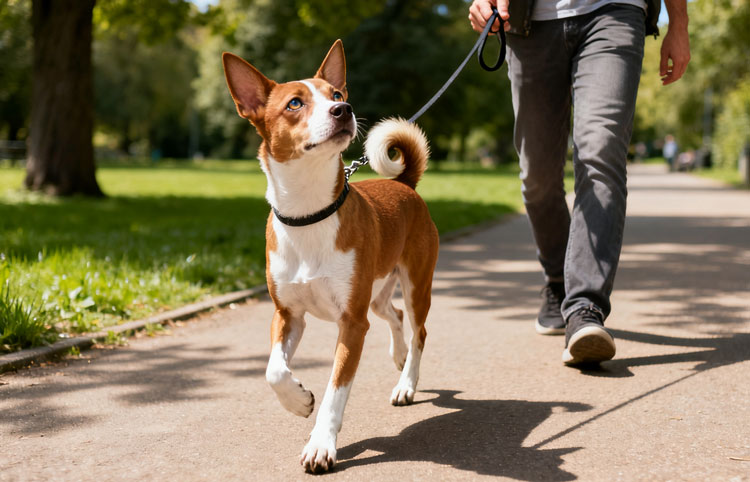
2. Ensure adequate exercise: Basenjis are energetic dogs that need daily walks. Even a short stroll around the neighborhood, allowing them to run and sniff the fresh air, helps maintain their physical condition. On nice days, take them to the park for more playtime and activity.
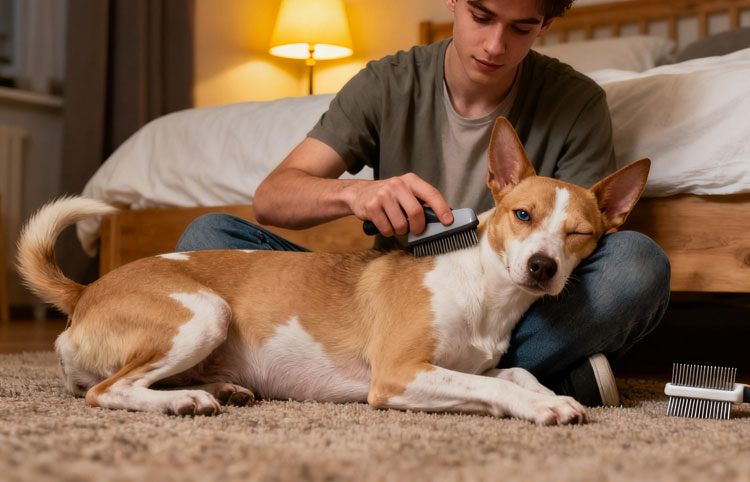
3. Regular grooming: Basenji coats require frequent brushing. Trim excessively long hair to maintain cleanliness and prevent matting. Schedule comprehensive grooming every 1–2 months, including nail trimming, ear cleaning, and bathing. Pay special attention to the head and neck, where folds trap dirt and bacteria. Beyond brushing, frequent bathing is essential. During hot summer months, bathe it every one to two days, thoroughly scrubbing dirt from the folds. Every 5–7 days, clean its teeth and ears, wipe away discharge around the eyes, and rinse the eyes with lukewarm water to prevent inflammation. Nails should be trimmed regularly; otherwise, overgrown nails can cause discomfort when walking and may scratch family members.
4. Regular Veterinary Checkups: No matter how healthy your Basenji appears, schedule routine visits to the vet and keep vaccinations current. This allows early detection and treatment of minor issues, preventing conditions from worsening.
5. Maintain a Clean Environment: Keep your Basenji’s living space spotless. Wash its bedding and mats frequently, and ensure good ventilation by opening windows regularly. Provide ample space for activity, preventing confinement to small corners.
6. Reinforce behavioral training: Establish rules early on. Teach it to come when called by name and to stay seated without wandering. Also train it not to chew on clothes or curtains, or scratch furniture with its claws. Gradually cultivate good habits, such as knowing where to relieve itself to prevent messes in the home.
VII. Foods Basenjis Should Not Eat
1. When feeding meat to your dog, raw meat other than game meat is generally fine. However, fish is different—it’s best to cook it before feeding or buy canned fish. Raw fish may contain parasites that can cause diarrhea.
2. Seafood like shrimp, crab, and squid is difficult for dogs to digest and may lead to vomiting or diarrhea. Never feed these to your dog.
3. For calcium supplementation, beef or pork bones are preferable. Chicken bones are brittle and shatter into sharp fragments when chewed, posing a serious risk of gastrointestinal laceration if swallowed. Fish bones are equally hazardous and should be avoided.
4. While chicken thighs and breasts are high in protein, they also contain elevated phosphorus levels. If your Basenji is already fed a complete, balanced dog food, supplementing with these meats can easily lead to nutritional imbalances—such as insufficient calcium or excessive phosphorus.
5. The theobromine and caffeine in chocolate severely damage a Basenji’s nervous system and heart. Even small amounts can cause seizures and rapid heartbeat, potentially becoming life-threatening.
6. Grapes and raisins contain unknown toxins that can damage a Basenji’s kidneys, potentially causing reduced urination and lethargy. Immediate veterinary care is essential.
7. Spices like pepper, chili, and ginger dull a Basenji’s sense of smell, potentially leading to loss of appetite. These must never be fed.
8. Caffeine in coffee and tea, like chocolate, harms Basenji hearts and nervous systems, causing excessive excitement and insomnia.
9. Nuts are high in fat and calories, difficult for dogs to digest, and may trigger pancreatitis with symptoms like abdominal pain and vomiting.
10. Onions are toxic to dogs. Within 1-2 days of ingestion, they may pass dark tea-colored urine and experience vomiting and diarrhea. Seek immediate veterinary care if these symptoms appear.
11. Sweets like pastries and candy cause weight gain, hinder calcium absorption, and damage teeth. Never give them to your dog, no matter how much it begs.
VIII. Basenji Training
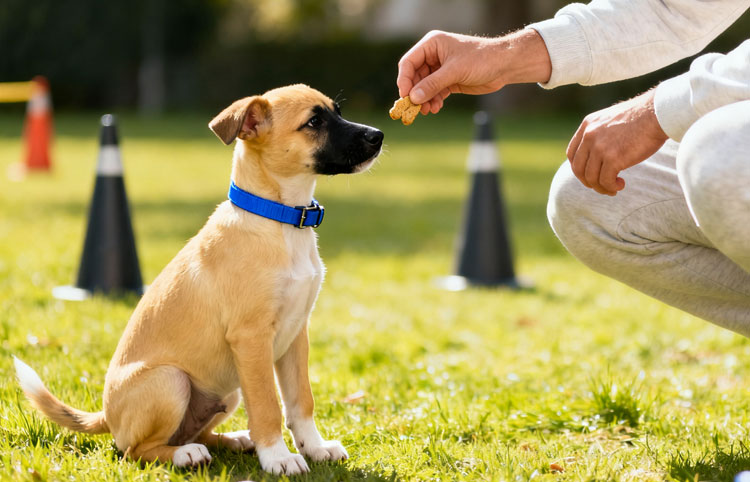
1. Build a Bond: To train your Basenji effectively, establish trust and a strong relationship first. When newly brought home, the dog may be wary of unfamiliar surroundings. Spend time playing with it, gently petting its head and back to help it grow comfortable with you. Avoid loud noises or harsh tones during interaction; use a soft, calm voice. Some dogs are slower to adapt and need time to adjust to new surroundings. Be patient and take things step by step during training. Start with simple commands like “sit,” then move on to “shake hands.” Reward good behavior and gently correct mistakes to help it learn faster.
2. Use Proper Training Methods: Rewards are an effective training tool, but they must be used correctly. When your Basenji sits on command, immediately say “Good!” and pet it or give a small treat. At first, the dog won’t understand “Good,” but with practice, it will associate the word with rewards. Only say “Good” when the dog does something right—avoid using it casually, or it won’t know when it’s being praised. Rewards must be immediate. Dogs have short-term memory; give the reward right after the correct action so it understands why it’s being praised. Say “Good” with a cheerful tone and a smile—never coldly. If you look stern or raise your voice, the dog will think it did something wrong, defeating the purpose of the reward.
3. Focus on encouragement, use scolding sparingly: During training, prioritize praise. If your dog learns slowly, avoid scolding—offer more compliments instead. If it deliberately misbehaves, like relieving itself inappropriately, gently reprimand it twice, but never yell or hit it. Excessive physical punishment breeds fear, causing your dog to become unresponsive to your commands.
4. Manage training duration wisely: Longer sessions aren’t better. Dogs have limited stamina—10–15 minutes is sufficient. Overdoing it will exhaust them and make them dislike training, causing them to avoid you later. Break it into two or three shorter sessions daily for better results.
IX. Basenji Ear Cleaning Method
1. Light Earwax Removal: If your Basenji has minimal earwax buildup, cleaning is straightforward. Gently pull back the hair around its ears and lift the outer ear flap. Dip a cotton swab in glycerin and apply it to the outer ear canal. Gently massage the ear to distribute the glycerin evenly, then use a clean cotton swab to wipe away the loosened wax. Avoid inserting the swab too deeply to prevent discomfort.
2. Removing Hardened Wax: For excessive, hardened wax buildup, first disinfect the outer ear with alcohol. Purchase specialized ear drops from a veterinary pharmacy. Apply the drops directly to the hardened wax and wait 10–15 minutes to soften it. Then carefully remove the wax with small tweezers. Do not insert the tweezers too deeply, as a dog’s ears are delicate and easily injured. If the dog struggles violently, stop immediately and avoid forcing the procedure to prevent puncturing its eardrum.
3. Ear Inflammation Care: If your Basenji develops an ear infection—such as redness or foul odor—immediately purchase anti-inflammatory ear drops from the vet. The doctor will specify dosage and frequency. When administering, lift the dog’s ear, apply the drops, then gently massage the ear to distribute the medication effectively. After application, the dog may shake its ears—this is normal and nothing to worry about.

X. Selecting a Basenji
1. Socialization Test: Kneel in front of the Basenji at a slight distance and call it over. If the puppy comes running with its tail held high, it indicates boldness and a desire for human interaction. If it ignores you and continues playing alone, it likely has an independent personality. If it hesitates to approach with its tail drooping, it suggests timidity and a gentler nature.
2. Followership Test: Stand up and walk slowly. Observe if the puppy follows you. Confident puppies will trail behind; some particularly lively ones may even run ahead, potentially tripping you. Timid puppies will walk hesitantly, stopping frequently and avoiding close proximity. An independent-minded puppy might wander off elsewhere instead of following you.
3. Obedience Test: Turn the puppy onto its back, press down gently on its chest with one hand to keep it still, and maintain eye contact for 30 seconds. If the puppy struggles fiercely with no fear in its eyes, it indicates a strong-willed temperament. If it stays still, looks around nervously, and avoids eye contact, it suggests a more obedient nature. Puppies with overly strong personalities suit experienced owners; beginners may struggle to manage them.
4. Emotional Recovery Test: Immediately after the restraint test, place the puppy in front of you. Gently stroke its entire body while speaking softly. Lower your head to allow it to lick your face. If the puppy remains distant or tries to avoid you, holding onto the earlier restraint, it indicates a narrow-minded temperament that may make future training difficult. If it willingly seeks closeness, it shows a forgiving nature and will be easier to train.
5. Environmental Adaptability Test: Hold the puppy in your arms and stand still for 30 seconds. If it relaxes and lies down comfortably, it shows strong adaptability and will likely remain calm in unfamiliar settings. If it struggles constantly to get down, it dislikes being controlled and may be less obedient as an adult.
6. Interactivity Test: Crumple a piece of paper into a ball and toss it a few feet in front of the puppy. If the puppy runs to retrieve it and brings it to you upon encouragement, it shows intelligence and trainability. If it ignores the ball or walks away, it may be difficult to teach. If it picks up the ball and retreats to a corner to play alone, it indicates an independent nature requiring experienced training later. This test not only reveals whether the puppy is suited for working roles but also indicates its inclination toward human interaction.
XI. Common Health Issues in Basenjis
1. Skin Conditions: Basenji skin differs from other breeds, being looser with numerous folds on the head and neck. These folds trap dust and bacteria; without regular cleaning, skin diseases may develop. Symptoms include itching, excessive scratching, reddened skin, hair loss, and the development of bumps.
2. Diarrhea with Blood: Basenji dogs may experience bloody diarrhea for three primary reasons: ingesting unclean substances like garbage scraps or roadside weeds; intestinal parasites such as roundworms or tapeworms; Third, contracting serious illnesses like canine parvovirus or distemper. If this occurs, the dog will appear lethargic, lose appetite, and may become dehydrated from frequent defecation. Immediate veterinary care is essential.
3. Tetanus: Basenjis are playful and prone to scratches or bites from running and jumping. If wounds aren’t treated promptly, tetanus infection can occur. Severe cases can prove fatal within 2–3 days; even milder symptoms may lead to death within 3–10 days. Therefore, immediately disinfect wounds with iodine solution and seek veterinary care promptly for serious injuries.
4. Colds and Fevers: Basenjis may develop colds or fevers due to drastic weather changes—such as significant temperature fluctuations between day and night in spring or sudden autumn chills—or from viral infections like the common cold. When ill, the dog may appear lethargic with half-closed eyes, reddened and swollen whites, clear nasal discharge, and frequent sneezing. Body temperature may exceed 39°C (102.2°F), breathing becomes rapid, coughing may occur, and appetite decreases. If these symptoms appear, seek veterinary care promptly to avoid worsening the condition.

-
Sale!

Washable Pet Cooling Pad for Cats and Dogs
Original price was: $10.99.$9.99Current price is: $9.99. This product has multiple variants. The options may be chosen on the product page -
Sale!

Washable Cat Window Hammock Cooling Bed
Original price was: $23.99.$22.99Current price is: $22.99. -
Sale!

Tropical Amphibian Rainforest Tank, Lizard Cage
Original price was: $38.99.$36.99Current price is: $36.99. -
Sale!

Silent 4-in-1 Waterproof Charging Dog Hair Trimmer
Original price was: $49.88.$47.99Current price is: $47.99.
