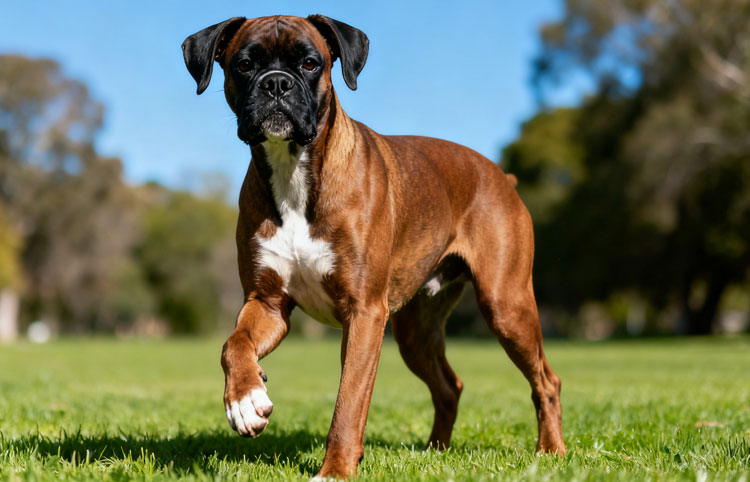
Those who’ve met a Boxer are often struck by its striking contrast: a muscular, sleek physique that screams “tough guy,” yet beneath it all lies the innocence of a three-year-old child. Bringing one of these dogs into your home is like gaining an eternal, boundlessly energetic “big kid”—a natural entertainer who constantly seeks your company, turning every day into a celebration.
I. History of the Boxer
The Boxer’s roots trace back to Germany in the 19th century. Its ancestors were unique—descendants of Mastiffs and Bulldogs—later crossbred with other breeds to gradually evolve into the form we recognize today. The breed first appeared in Britain in 1930. Despite its somewhat fierce appearance, the Boxer has a lively temperament. Not only is it full of energy, but it’s also highly sensitive and reliable in its actions. After World War II, the Boxer gained popularity not only in the United States and the United Kingdom but also worldwide. In many places, it became either a family companion dog or a guard dog, with many people choosing to keep it.
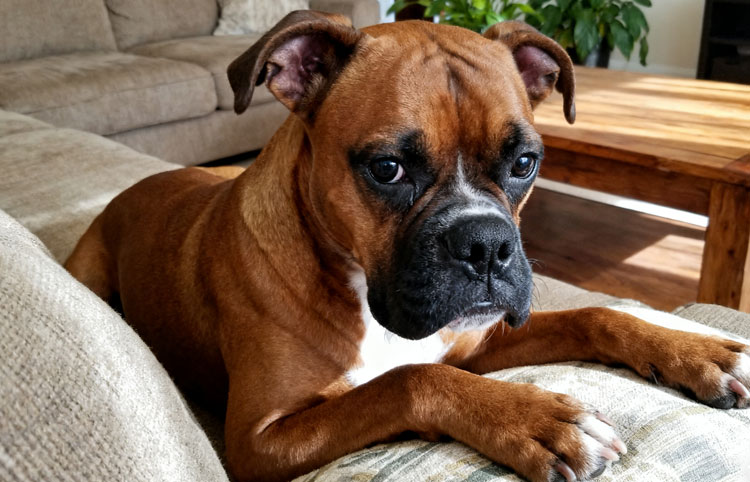
II. Boxer Lifespan
Research indicates that the average lifespan of a Boxer is only 9 to 10 years, shorter than many dogs of similar size. The primary reason for this is the genetic predisposition to heart disease carried in their genes. This acts as an inherent hurdle, affecting many Boxers.
III. Boxer Pricing
Purchasing a Boxer typically costs between $1,000 and $2,000 for a standard-quality dog. Those with superior pedigrees can reach around $3,000. Competition-grade dogs command significantly higher prices, starting at $10,000 and climbing to tens of thousands for exceptional specimens.
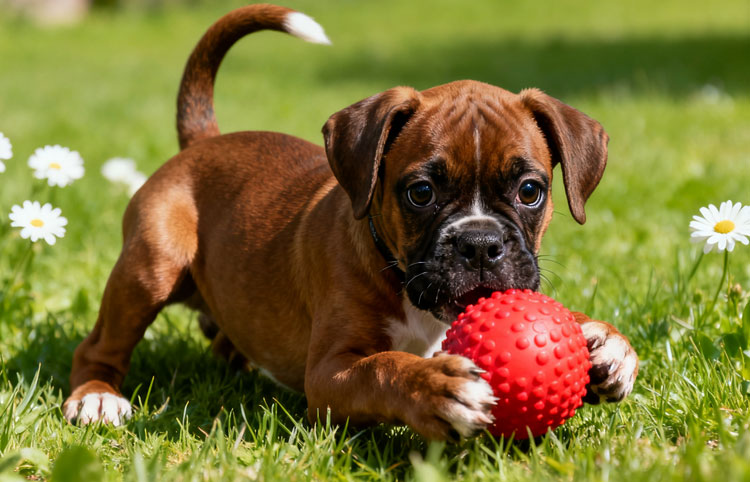
IV. Selecting a Boxer
1. When choosing a Boxer puppy, opt for one over 3 months old. At this age, the puppy will have completed its first round of vaccinations and deworming, making it easier to care for. Pay close attention to its energy level—it should have bright eyes without tear stains, a nose that feels cool and moist to the touch, steady breathing without coughing, and a clean, odor-free rear end. The coat should be short and dense, lying close to the body. Avoid puppies with bald patches, dandruff, redness, or hard lumps when thoroughly checked.
2. A good Boxer is exceptionally friendly toward people. It won’t bark or bite at strangers indiscriminately, nor will it shy away fearfully. Instead, it will approach curiously. When picked up, it should resist just enough—not too much, not too little. If you tease it with a toy, it should come over to play and interact with you. Those with stable, lively personalities are ideal. Avoid ones that either go crazy nonstop or hide away ignoring you.
3. A Boxer should have a well-proportioned build with a broad, deep chest. All four legs should appear sturdy and powerful. When standing, its posture should be upright, and it should walk without limping. The head should be in proportion to the body. While the muzzle is naturally short, it shouldn’t appear to pant heavily, and the teeth should have a normal bite. Most Boxers have docked tails. The tail length should be appropriate, with no visible scars or signs of inflammation at the docking site.
4. Always request the vaccination records and deworming history from the seller. Seeing the puppy’s parents is even better—their health and temperament can give you a good idea of what the puppy might be like. Never buy from sellers who can’t provide clear documentation or any guarantees. If something goes wrong, you’ll be stuck with the trouble.
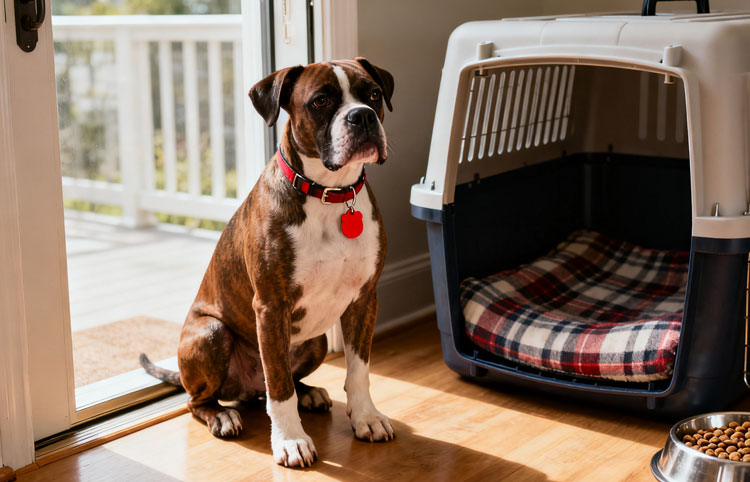
V. Advantages of Boxers
1. Boxers appear fierce but possess exceptionally gentle temperaments. Their builds are sleek and well-defined, not bulky.
2. Boxers thrive in lively environments, are highly affectionate, and excel at self-control—rarely causing disturbances.
3. Boxers have robust health and strong immunity, rarely falling ill. They aren’t picky eaters, making them easy to care for whether you’re a first-time owner or have a busy schedule.
4. Their short coat is incredibly low-maintenance. No complicated grooming is needed—just a daily wipe-down keeps them fresh and odor-free.
5. Boxers possess a genuinely good-natured disposition, friendly toward everyone and easy to bond with. Their boundless energy makes them exceptionally lively, maintaining their vigor even in old age. They hold no grudges—if you scold them, they’ll forget it in an instant and come right back to seek affection.
6. Boxers are exceptionally suited for family life. Their intelligence allows them to learn commands quickly and grasp new skills with ease.
7. They especially adore children, showing remarkable patience with both the elderly and youngsters. There’s absolutely no need to worry about them harming kids.
8. Most reassuringly, Boxers don’t bark indiscriminately. They won’t disturb your rest or bother the neighbors.
9. They possess innate “guard dog” instincts, being highly alert, dignified, and confident. They’re also intelligent, loyal, friendly, and gentle. With proper training and guidance, it makes an exceptional companion. Boxers are even used as police dogs in some regions, proving their reliability for work.
10. They are resilient and not fussy, making them dependable dogs you can rely on.
11. Boxers are fiercely loyal to their owners and very affectionate, never becoming sly or manipulative even in old age. They adore spending time with family and will bravely protect both their owners and their home territory.
VI. Boxer Drawbacks
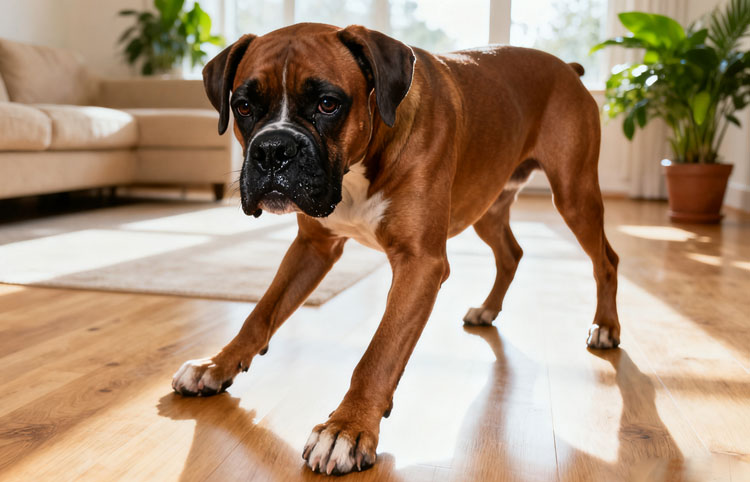
1. Boxers possess overwhelming energy, requiring substantial daily exercise to channel their vitality. Without adequate activity, they become restless and may resort to destructive behavior at home. This makes them ill-suited for apartment living or owners too busy to provide regular walks.
2. Boxers are naturally lively and somewhat combative, fiercely protective of their territory. They may exhibit aggression toward other dogs or strangers, necessitating thorough training and frequent socialization.
3. Boxers are highly sensitive to weather extremes, struggling with both cold and heat. Owners must take extra care to keep them cool in summer and warm in winter.
4. The Boxer’s short lifespan is unfortunate. Some sources indicate they may only live around 8 years, potentially due to genetic conditions or accidents.
VII. Boxer Breed Care Guide
1. Living Environment
If kept indoors, provide at least 5 square meters of activity space. Tile floors can be slippery, so lay down non-slip mats to prevent hip injuries when the Boxer runs. They jump exceptionally high, so fences must be at least 1.5 meters tall to contain them. During summer, maintain indoor temperatures below 26°C (79°F). Their short noses make them prone to heatstroke. For outdoor living, dig deep foundations for fences—Boxers love digging holes and may escape. To prevent separation anxiety, provide a bed with your scent and avoid leaving them alone for more than 4 hours.
2. Diet Management
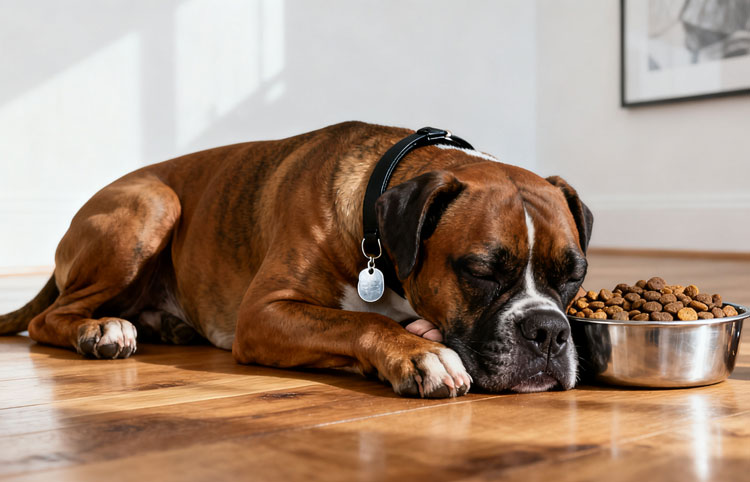
Select a large breed formula dog food with at least 26% protein for your Boxer, feeding it 2-3 times daily. Avoid soy-containing foods, as many Boxers are allergic to soy. Between 4 and 12 months of age, supplement with glucosamine to support joint health during growth. Chocolate and grapes are strictly forbidden. Their digestive systems are sensitive to fats, making them prone to diarrhea. Use a heavy-duty food bowl to prevent tipping; an automatic water fountain ensures clean, fresh water. Weigh your dog monthly—excess weight strains the heart and compromises health.
3. Training and Education
Boxers can begin basic obedience training from 12 weeks old, focusing on commands like “stay” and “drop it.” Between 3 and 6 months is a critical period for socialization—expose them to at least 100 different environments and people to encourage interaction. Always use positive reinforcement during training; harshness or coercion will lead to resistance. Particular attention should be given to correcting the habit of jumping on people. As they grow, their leaps become powerful enough to knock someone over. For advanced training, consider activities like tracking or protection work, which provide both skill development and energy expenditure. Maintain a training ratio of 30% new commands to 70% review of old ones for optimal retention.
4. Daily Care
Brush your Boxer at least three times weekly. A rubber massage brush is ideal, as it stimulates blood circulation and removes loose hair. Clean its ears weekly—Boxers have folded ears prone to harboring debris, which can lead to infections if neglected. Trim nails every 2-3 weeks; overgrown nails can impair walking and cause deformities. Dental care is crucial. Brush daily with dog-specific toothpaste, as Boxers are highly prone to periodontal disease. Limit baths to no more than twice monthly—excessive washing strips natural oils from the skin, increasing susceptibility to illness. Thoroughly wipe the folds around the eyes; dampness can cause dermatitis.
5. Health Monitoring
HIP (Hip Dysplasia) evaluations are essential, as hip dysplasia is common in Boxers. Early detection allows for timely prevention. Heart health also warrants attention; annual ultrasounds are recommended, as Boxers have a 15% chance of developing aortic valve stenosis. This risk should not be overlooked. Complete all vaccinations before 6 months of age, including the recommended Lyme disease vaccine. Regular deworming is essential to prevent roundworms and heartworms. After age 7, enter the senior stage with biannual thyroid checks. Track baseline vitals like temperature (normal range: 38–38.5°C) and respiratory rate to detect abnormalities early.
6. Exercise Management
Balance daily exercise: 30 minutes of exploration and sniffing, 45 minutes of aerobic activity, plus 15 minutes of strength training. Avoid midday walks in summer heat; opt for cooler morning or evening hours instead. Activities like frisbee and swimming are ideal for Boxers, building muscle tone. In winter, always dress them in a warm coat—their short coat offers little protection against the cold. After exercise, inspect its paw pads—rough surfaces may cause abrasions. Avoid playdates with small breeds, as Boxers play roughly and may accidentally injure smaller dogs. Gradually increase exercise intensity; overexertion during puppyhood can damage joints.
7. Abnormal Behaviors
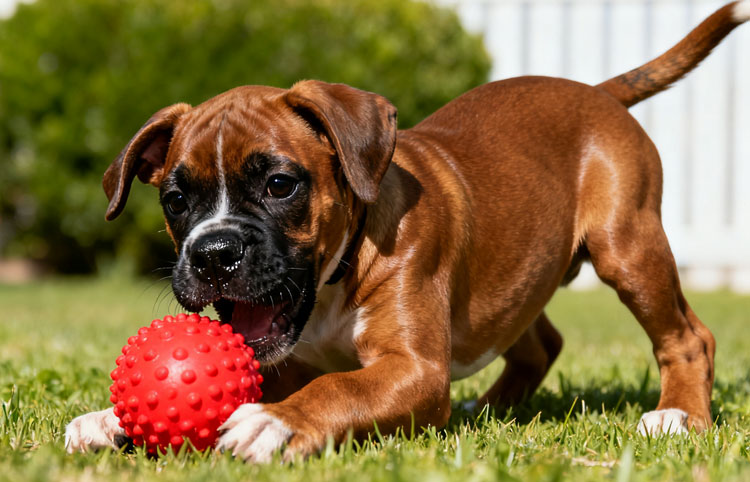
If your Boxer destroys things at home, provide plenty of durable chew toys rated at least level 10 for chew resistance, otherwise they’ll be destroyed quickly. If it barks at strangers, try desensitization training: give treats every time the doorbell rings to teach it that visitors aren’t threatening. If it persistently chases its tail, seek veterinary care promptly as this may indicate early signs of compulsive behavior. For coprophagia (eating feces), gradually add psyllium husk or pumpkin puree to meals to help adjust its diet. Drooling or destructive behavior when left alone indicates separation anxiety. Try gradual departure training: leave for a few minutes, return with a treat, then slowly extend absence times. Regardless of the bad habit, correct it before 6 months of age. Once habits form in adulthood, they become much harder to change.
VIII. Foods Boxers Must Avoid
1. Chocolate, coffee, and tea contain caffeine and theobromine. Consumption can cause rapid heartbeat, seizures, and even death in severe cases—dark chocolate is the most toxic.
2. Grapes and raisins are strictly forbidden. Even small amounts can cause acute kidney failure, leading to vomiting and lethargy.
3. Onions, garlic, and all types of allium vegetables—whether raw or cooked—contain sulfides that destroy red blood cells, causing anemia. Symptoms may take days to appear.
4. Alcohol is absolutely forbidden. Consumption causes poisoning, leading to rapid breathing, coma, and life-threatening conditions.
5. The skin, pit, and flesh of avocados contain persin toxin. Ingestion causes vomiting and diarrhea, and the pit may get lodged in the esophagus.
6. Xylitol, commonly used as a sweetener in sugar-free foods, is extremely dangerous. Even a small amount can cause a sudden drop in blood sugar and liver failure.
7. Raw meat, eggs, and fish may harbor bacteria like Salmonella and parasites, causing severe gastrointestinal issues.
8. Bones, especially small ones from poultry, are highly prone to splintering. They can lacerate the esophagus or block the intestines and must never be fed.
IX. Boxer Training Guide
1. Obedience Training
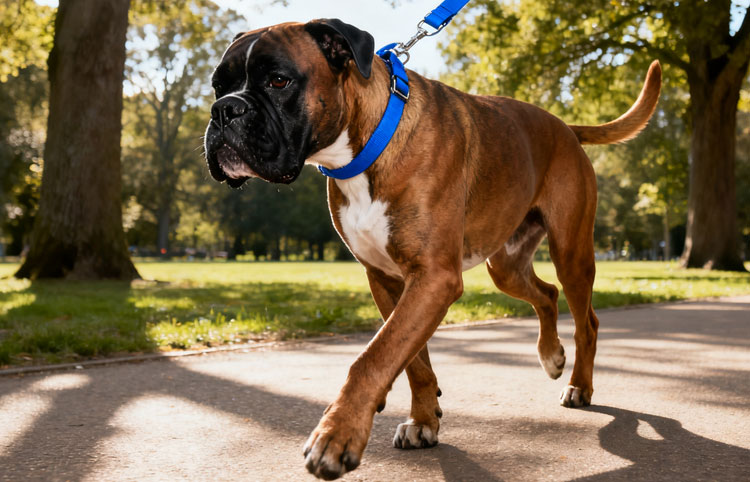
Many people resort to “force” when training Boxers, using physical punishment for disobedience. This approach is counterproductive, fostering resentment and defiance. The most effective method combines rewards and consequences: offer treats or praise for correct behavior, and calmly correct mistakes without hitting or yelling. Food-based guidance is far more effective than coercion.
2. Recall Training
The most frustrating part of taking your Boxer out is when it gets overexcited and won’t come back when called. Recall training is essential to reduce the risk of it misbehaving or getting lost outdoors. When starting training, hold a treat it loves or its favorite toy, then call its name. When it runs back, praise it enthusiastically with “Good boy/girl!” and give the treat. Repeat this several times, and it will learn that coming when called brings rewards.
3. Potty Training
No one wants to constantly clean up after their dog or deal with lingering odors at home. Teach your Boxer to relieve itself in a designated spot. Typically, they’ll need to go about 30 minutes after eating or 15 minutes after drinking water. Watch for telltale signs like circling or sniffing the ground. When you spot these cues, quickly guide them to the designated area. After several attempts, it will learn where to relieve itself.
4. Correcting Jumping Habits
Boxers love to jump on people as a way to show affection, but this can easily startle seniors or children, or even knock someone over. If it tries to jump on someone outside, immediately pull back on the leash firmly and say “No!” in a stern voice, then ignore it. If it continues jumping, apply slight tension to the leash to make the action uncomfortable. Once it stops, praise it and offer a treat to reinforce that refraining from jumping yields positive outcomes.
5. Correcting Chewing Habits
Boxers of all ages enjoy chewing, especially during teething when their gums are particularly sensitive. At this time, you must put away items it shouldn’t chew, such as shoes, books, and electrical cords. If you catch it chewing something it shouldn’t, quickly say “No!” or gently tap its mouth to show it this behavior is wrong. If its teeth are really itchy, you can buy chew toys or chicken jerky treats for it. This way, it won’t chew on household items.
6. Correcting Picky Eating Habits
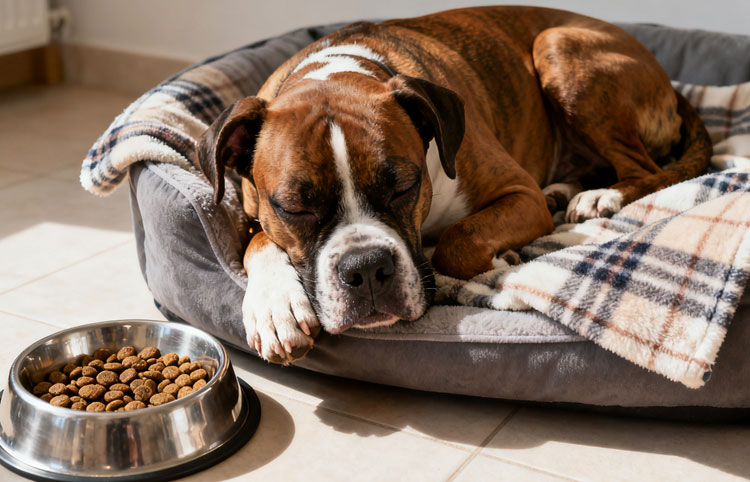
Many Boxers are picky eaters and refuse to eat dog food, which can be frustrating for owners. In such cases, never give in to them. If they refuse to eat at mealtime, take away the food bowl and don’t offer it again until the next meal. No matter how much they beg, don’t give in. After a few hungry meals, they’ll realize dog food is their only option and gradually stop being picky.
X. Boxer Grooming Techniques
1. Coat Care
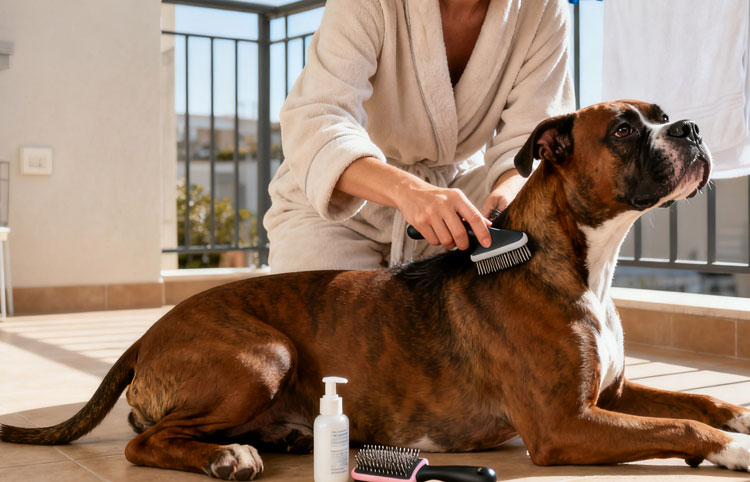
Boxers have short, smooth coats that are remarkably easy to maintain. A daily 5-minute brushing with a rubber brush or short-bristle comb is sufficient. This removes dust and loose hair while stimulating blood circulation in the skin, resulting in a shinier coat. Always brush in the direction of hair growth. Pay extra attention to dust-prone areas like the neck, back, and belly, but avoid pulling too hard to prevent discomfort. Wipe its coat with a damp towel once or twice weekly—this keeps fur fresh without frequent baths.
2. Bathing Techniques
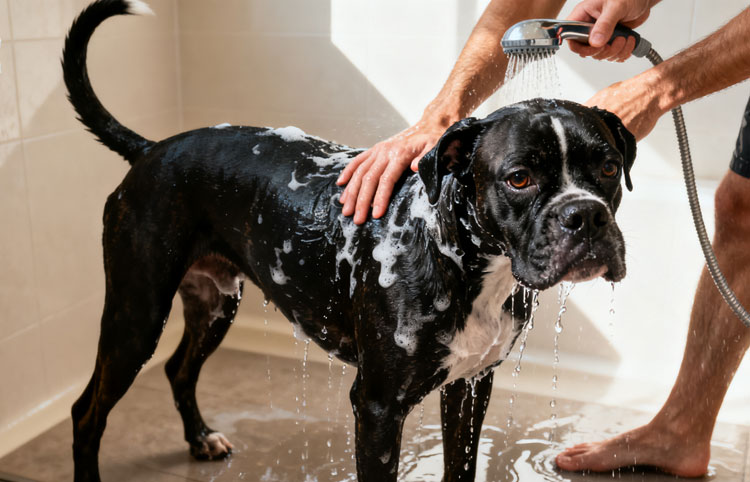
One to two baths per month are sufficient. If your Boxer gets excessively dirty from outdoor play or sweats heavily, you may bathe it once more. However, avoid bathing too frequently, as this strips the skin’s natural oils and increases susceptibility to skin conditions. Before bathing, thoroughly brush its coat to detangle knots and remove loose dirt. Maintain water temperature between 38–40°C (98.6–104°F), matching its body heat to avoid scalding or chilling. Use hypoallergenic dog shampoo, starting from the back. Gently lather, avoiding eyes, ears, and mouth. Rinse thoroughly to prevent skin irritation from residue. Use an absorbent towel to press out excess water, then dry the coat thoroughly with a hairdryer on a low-to-medium heat setting. Pay special attention to areas like the belly and armpits that dry slowly—ensure they are completely dry to prevent bacterial growth.
3. Trimming and Nail Care
Boxers don’t require their coats to be cut short. Regularly trim only the hair on the paws and belly edges that grows long and messy, as this can cause slipping when walking and trap dirt. Nails must be trimmed regularly, every 2 to 3 weeks. Use dog-specific nail clippers and trim only the transparent tip of the nail, avoiding the pink quick. If bleeding occurs accidentally, immediately apply styptic powder and press firmly; it should stop soon. After trimming, use a cotton swab to clean debris from the nail crevices to prevent infection.
4. Special Area Care
Ears: Clean weekly with dog-specific ear solution. Gently lift the ear flap, apply a few drops into the ear canal, and softly massage the base of the ear to encourage the dog to shake out debris. Wipe the outer ear clean with a cotton swab (never insert swabs into the canal to avoid injury).
Eyes: Daily wipe away discharge around the eyes with a clean cotton swab. For tear stains, use a tear stain remover solution. Apply it to a cotton swab and gently wipe the area; tear stains will gradually fade.
Mouth: Brush teeth 2-3 times weekly using dog-specific toothpaste and a toothbrush (human toothpaste is toxic to dogs). Regularly provide dental chews for them to gnaw on; these clean teeth and freshen breath.
XI. Common Health Issues in Boxers
1. Heart-Related Conditions
Dilated cardiomyopathy is the most common hereditary heart disease in Boxers, typically developing in adulthood. This condition causes the heart chambers to enlarge and weakens the heart muscle’s pumping ability. Early symptoms are often subtle, but advanced cases may present with coughing, labored breathing, lethargy, or even heart failure.
2. Skin Conditions
Boxers’ wrinkled skin, while adorable, makes them highly susceptible to skin issues like fungal infections and allergic dermatitis. Fungal infections typically appear on the face and neck, starting with gradual hair loss in those areas. The skin feels dry and flaky, with dandruff easily brushing off. Allergic dermatitis is more troublesome. It can be triggered by pollen, dust, or even certain dog foods. The dog will scratch incessantly, causing redness and small bumps. If scratched open, the skin is prone to secondary infections, and the fur may become matted.
3. Joint and Bone Issues
Hip dysplasia is a common hereditary condition in Boxers. Some puppies show signs as young as a few months old, walking with a noticeable waddle, refusing to jump for a ball, and appearing weak in the hind legs when running. As the dog matures, this condition may progress to osteoarthritis, causing more severe pain. Beyond the hips, elbow joints can also be affected, causing pain when the front legs touch the ground and making stair climbing difficult. For a definitive diagnosis, an X-ray is necessary.
4. Eye Diseases
Entropion is quite common in Boxers. This condition causes the eyelid to roll inward, trapping the eyelashes against the cornea. Affected dogs constantly tear up, squint in sunlight, and avoid bright light. In severe cases, the cornea can ulcerate. Cataracts are also prevalent in older Boxers. Initially, vision becomes blurry—for instance, they might miss treats they once caught accurately. Gradually, their eyesight deteriorates until they may become completely blind.

-
Sale!
Washable Pet Cooling Pad for Cats and Dogs
Original price was: $10.99.$9.99Current price is: $9.99. This product has multiple variants. The options may be chosen on the product page -
Sale!

Washable Cat Window Hammock Cooling Bed
Original price was: $23.99.$22.99Current price is: $22.99. -
Sale!
Tropical Amphibian Rainforest Tank, Lizard Cage
Original price was: $38.99.$36.99Current price is: $36.99. -
Sale!

Silent 4-in-1 Waterproof Charging Dog Hair Trimmer
Original price was: $49.88.$47.99Current price is: $47.99.
